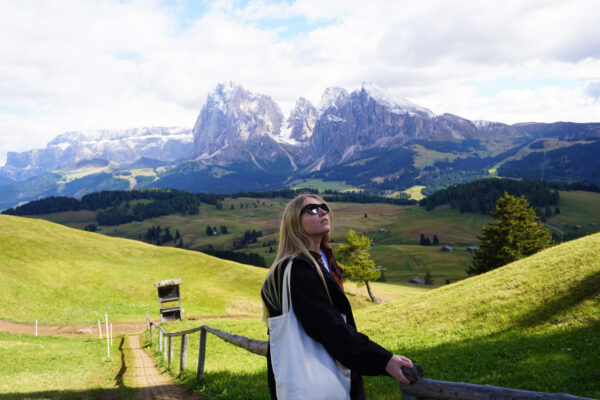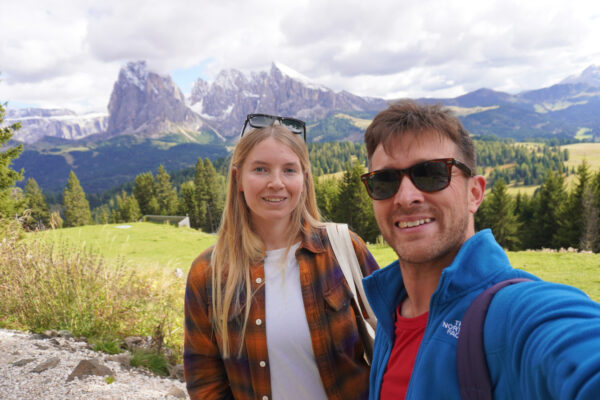
The season in the Dolomites affects more than just the scenery (whether you’ll see snow-covered peaks or mountains blanketed in lush green). It also shapes the cable car closures, mountain huts’ operating hours, limited seasonal road access – the list goes on! Even your chance to try the legendary bomboloni depends on the time of year.
The best time to visit the Dolomites is dependent on what dream experience you’re after: Hitting the trail at the crack of dawn? Settling in for the afternoon with an après ski accoutrements? Taking a cable car ride over the otherworldly terrain? Chasing the most perfect scene with your camera?
I have created this guide to walk you through everything you need to know about seasons in the Dolomites – what to expect from each month, what pitfalls to look out for, and how to better prepare for whatever the weather throws at you in the mountains.
Article contents
- What is the best month to visit the Dolomites?
- Dolomites weather by month
- What changes by season?
- Best time to hike in the Dolomites
- Our experience visiting the Dolomites in late September–early October
- When to visit the Dolomites for the best scenery
- When NOT to visit the Dolomites
What is the best month to visit the Dolomites?
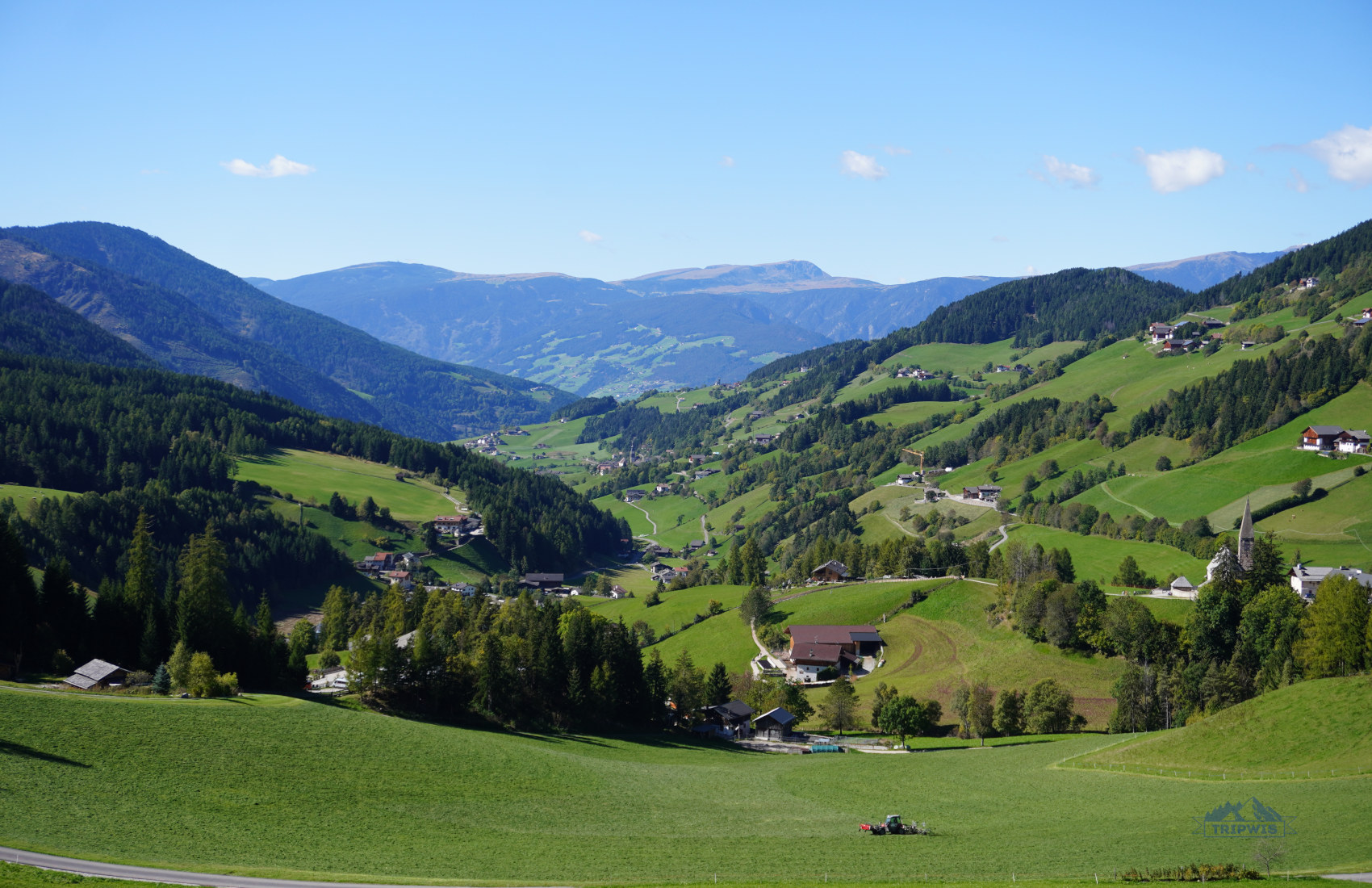
Our last trip to the Dolomites fell on the end of September and beginning of October and lasted five full days. The choice wasn’t deliberate – it’s not like we wanted to avoid peak summer months that turn this beautiful natural destination into a theme park.
That’s why I was so worried about the shoulder season weather! We didn’t want to miss out on the iconic Dolomites experiences: Riding in a gondola up into the mountains, grabbing a drink and getting a hearty South Tyrolean meal at a rifugio (mountain hut), and hiking all the trails on our to-do list. Whether we got lucky or not with the weather – you can judge for yourself from the photos in this post!
Without a doubt, weather plays an important role in what kind of trip you will have. However, it is not the only thing you have to keep in mind early on in the planning process. It’s also:
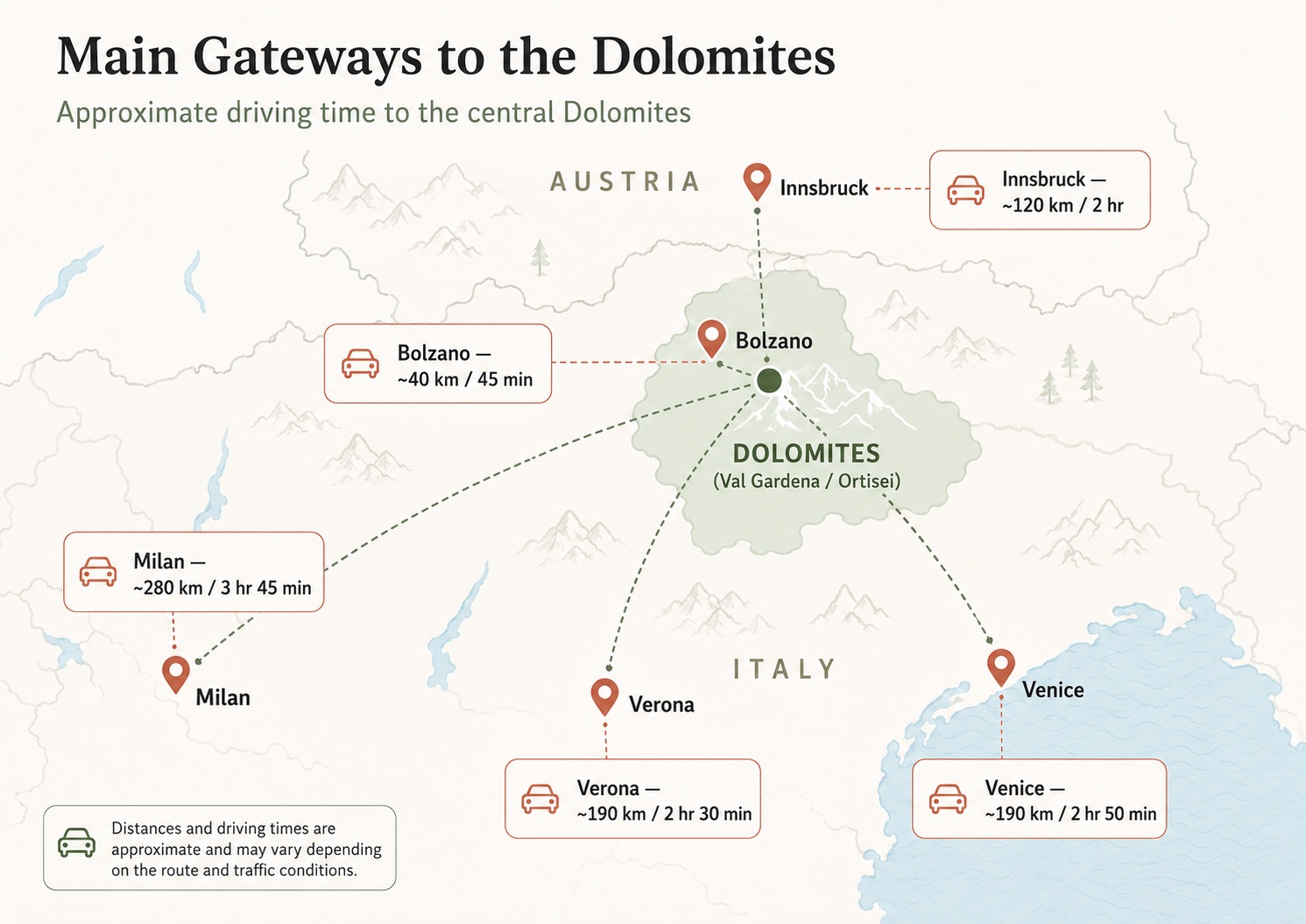
- Your starting point – Milan, Venice, Verona, Innsbruck? Depending on where you’re coming from, your Dolomites road trip is likely to commence at one of these locations.
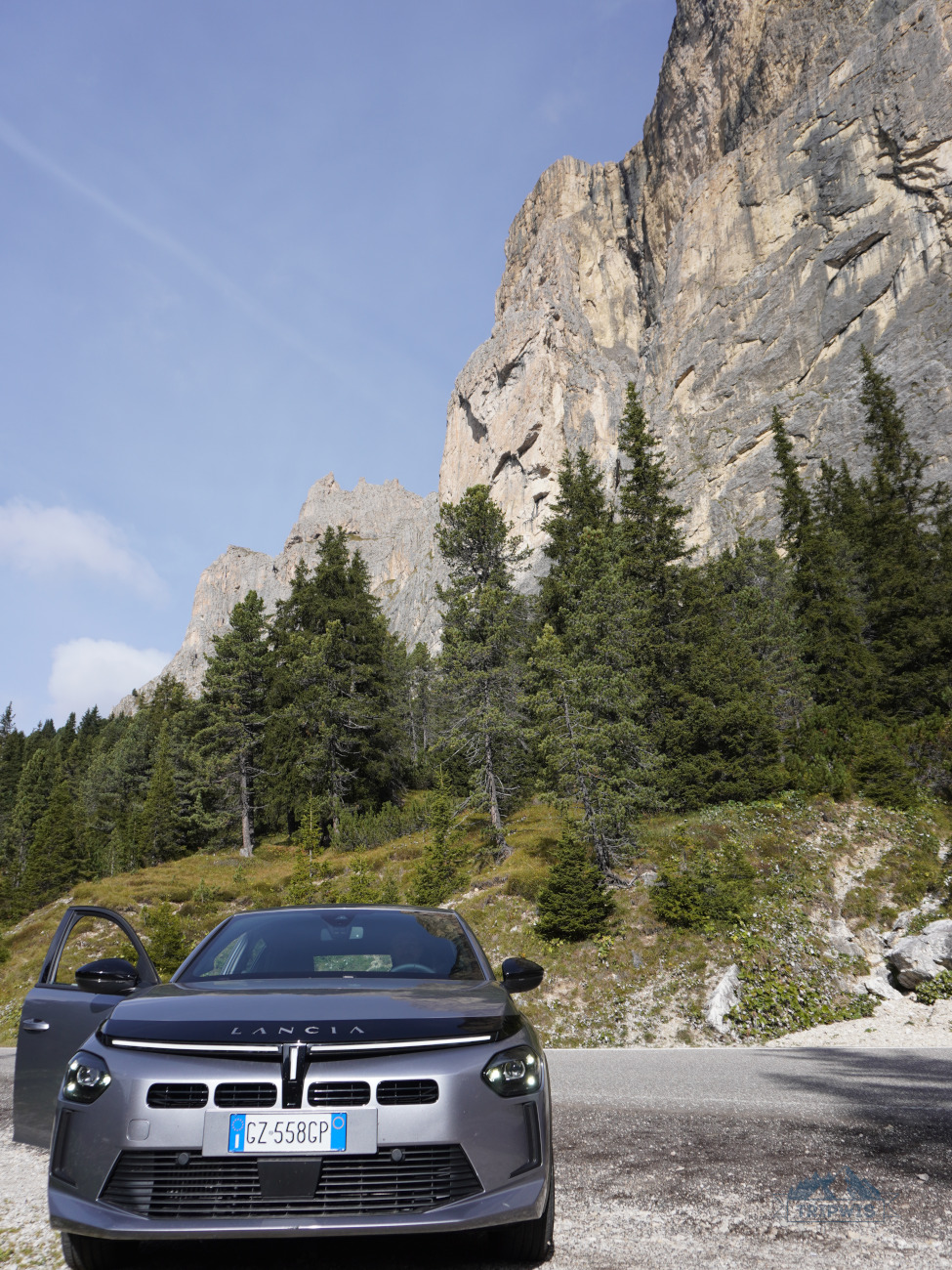
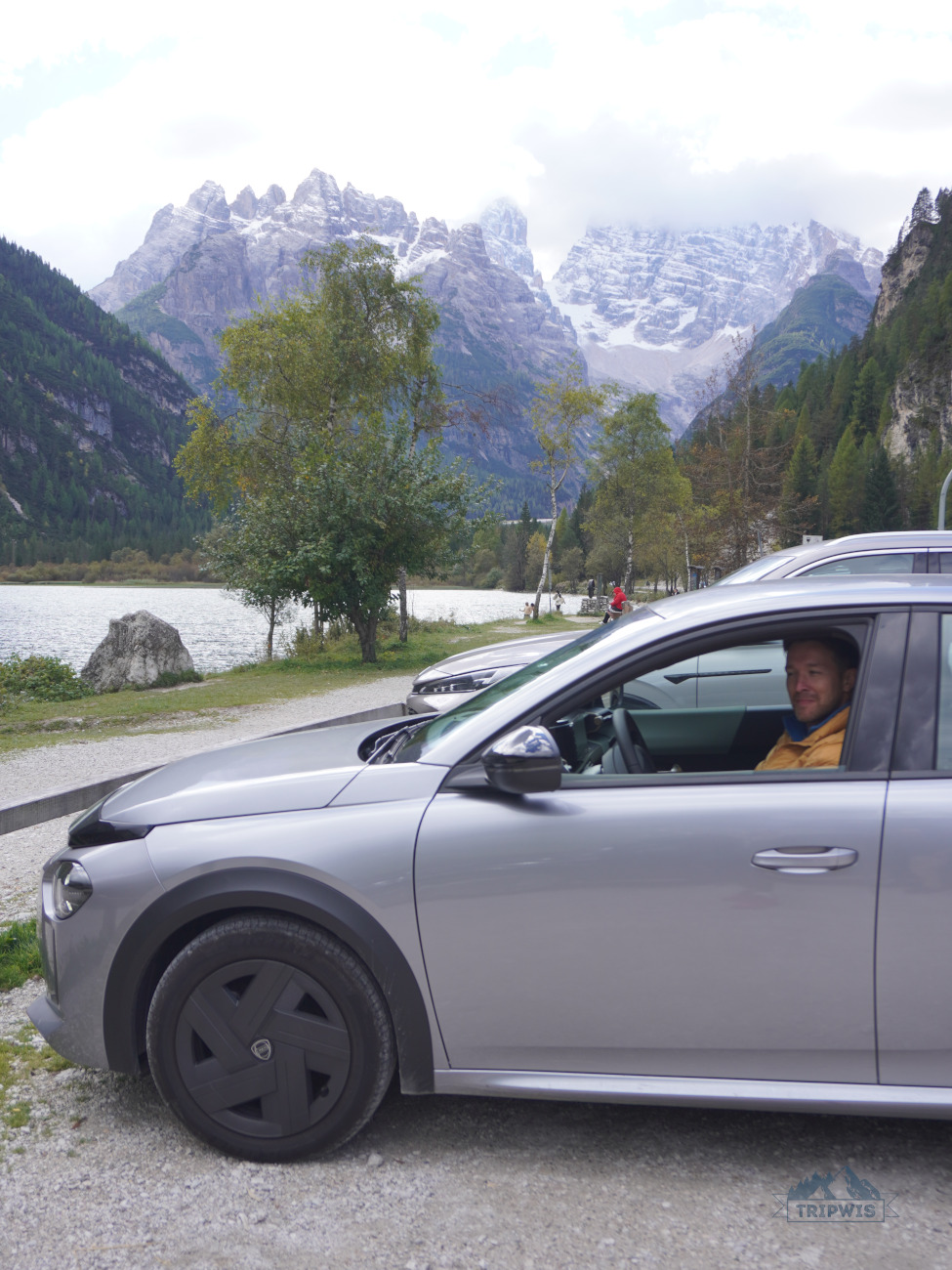
- Your car rental budget – rental companies usually offer great deals during the shoulder season. We rented a new Lancia Ypsilon via Discovercars, picked it up at the Milan airport, and paid just €80 for six days! Such a steal wouldn’t be possible here during peak summer months.
- Your itinerary – depending on what destinations you want to visit, you will have to plan out one (or two) home bases for exploration. Most travelers choose Ortisei and Cortina d’Ampezzo to set up camp, but the surrounding small towns are also perfect for a more serene stay.
- Operating period of cable cars and rifugios – the infrastructure in the Dolomites is seasonal, and maintenance closures happen between summer and winter. If you want to get the most out of your trip, do not come here in late October—November or April—early May.
- Public holidays – we all know that such occasions alter the working hours of some establishments, but it’s not why you should keep them in mind. The Dolomites are a prime vacation spot for Italians (and Europeans in general), so when they have some free time during a holiday, they make their way to the mountains in bunches.
- What gear you plan to bring – summer months will require the least amount of preparation, but shoulder and winter season will have you packing trekking poles, crampons, or even snowshoes.
- … and many other points that I cover in depth further down.
But back to the weather and all the things it encompasses. If you don’t have much time to read my detailed breakdown of the best time to visit the Dolomites, here’s a short outline.
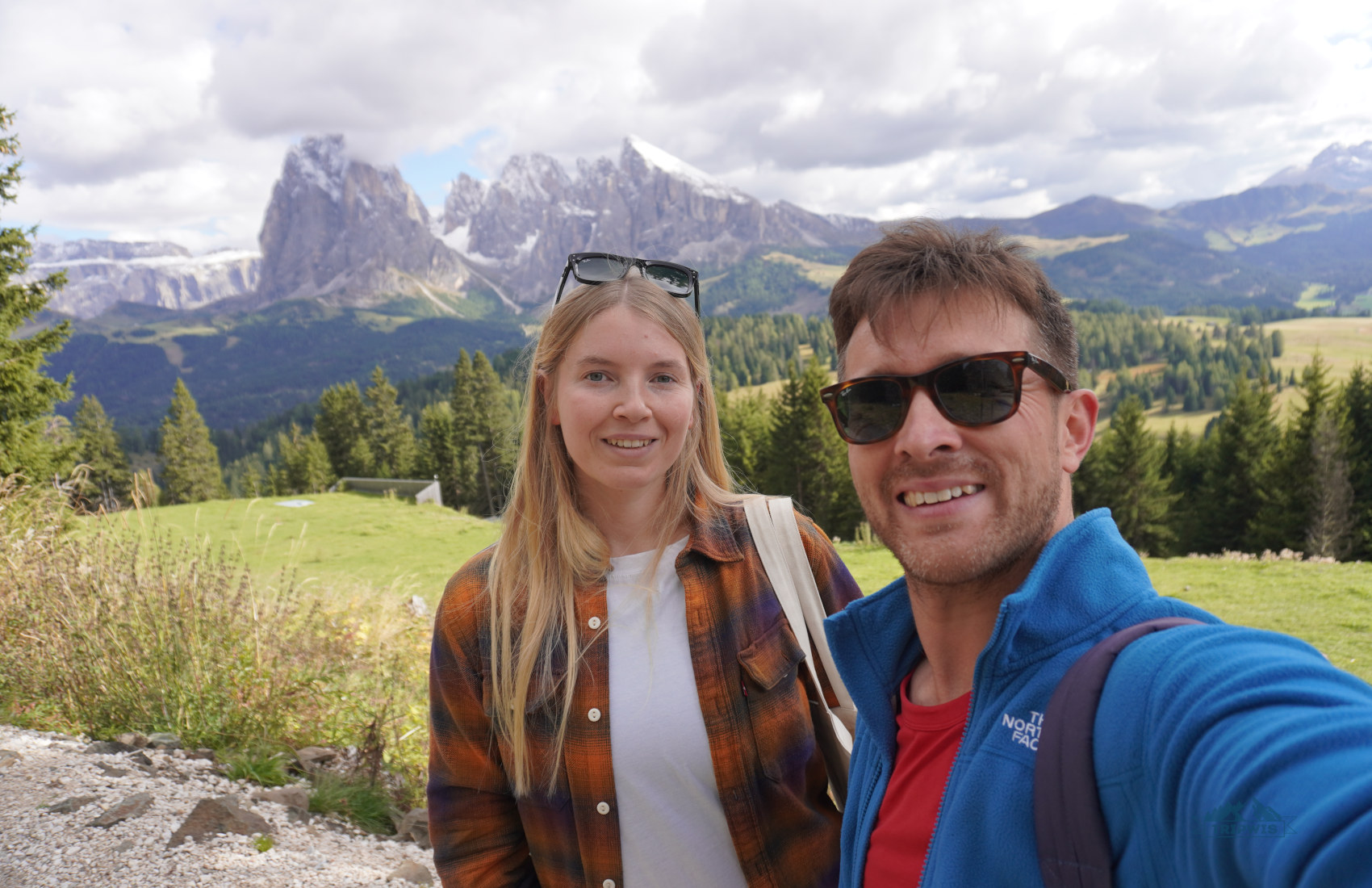
In my opinion, the overall best time to visit the Dolomites is September – the temperatures are just starting to cool off from peak summer season, the weather’s stable, everything is still open and operational, the crowds are starting to fade, and the natural scenes are finally beginning to look authentic and wild.
However, this is not the only period when the Dolomites are worthy of your attention. Each traveler has a certain set of needs and desires, which are closely connected to the possible time periods:
| 🏕 For hiking | Anytime between late June and September |
| ☀️ For the most predictable weather July and August or September | July and August or September |
| 🔸 To escape the crowds | June or late September / early October |
| 🏨 For better deals on accommodation | Late May to June or late September to the end of October |
| 🚠 For cable cars, rifugios, and roads that are open and functional | June through September |
| 🏔 For emerald green valleys | June through September |
| 🌸 For colorful wildflowers | June and July |
| 🍁 For amber fall foliage | Late October |
| ✨ For the best light | September |
| 🌊 For mountain lakes | Either late June to July or late September to early October |
| ❄️ For snowy scenes and skiing | December through March |
What months are not great for exploring the Dolomites? Avoid November like the plague, reconsider your vacation days if they fall on late March or April, drop winter season from consideration if your prime objective is hiking and not skiing, and wait until September if you can’t stand the July and August crowds but still want great weather.
Dolomites weather by month
Now that you have a TL;DR version of the region’s season breakdown, it’s time to dive in deep into every notable period that you can plan your trip for. I will cover the weather, the pros and the cons, and give you clarity on whether or not it’s a good time for first-time visitors.
Side note: You should keep in mind that the Dolomites span multiple regions, with varied elevation. Each destination will have some nuance when it comes to weather (higher slopes and valleys have slightly different timelines for seasons), but the general conditions remain the same throughout the area.
What is the best month to visit the Dolomites in Italy?
June
 |
 |
June is the true start of hiking season in the Dolomites. You can expect complete infrastructure rollout after a winter hiatus – trails, cable cars, rifugios open and begin their operations after mid-June. A wave of tourists follows suit – when the region’s finally swinging into high gear, there’s nothing stopping the holidaymakers from losing themselves among the peaks and valleys.
Speaking of valleys, June meadows in the Dolomites are a sight to behold: The fresh green grass carpets the ground, with flowers galore adding a joie de vivre touch to the postcard-worthy scene. Alpine roses, edelweiss, primulas, poppies – even if you’re not that into botany, you can certainly appreciate the colorful blooms glimmering like tiny jewels on the alpine valley floors.
What is particularly great about June (and in general, summer in the Dolomites) is the fact that you have plenty of daylight hours to fully enjoy the landscape – some of the longest days of the year mean that you can cover much ground in the region. Even doing a couple of separate hikes in the same dawn-to-dusk!
June weather: It is already pretty steamy on the valley floor, with Cortina d’Ampezzo reaching highs of +25°C (77°F). However, the trails at high elevation are much cooler (+15…+22°C / 59…71.6°F), providing the more pleasurable hiking experience. The nights here still require a proper warm layer (+5…+10°C / 41…50°F). Note that there still may be snow on the trails at higher ground – for example, in Tre Cime di Lavaredo. Make sure you have proper footwear to tackle such terrain.
What’s it good for: June in the Dolomites is great for starting to explore the vast landscapes by hiking on the trails that are not yet packed with tourists and snapping panoramic shots as if your life depended on it (the green meadows paired with floral splendor make for great pics).
Downsides: The first half of June in the Dolomites is not really high season yet, with all slow to start operating. What makes the situation even trickier is the lack of “one set date” when the services start to run – everything is largely dependent on the weather and varies quite a bit year-to-year.
Is June a good month for first-time visitors? Yes, if you’re fine with a little uncertainty and can play it by ear without worrying too much about your set itinerary going awry. In any case, the last week of the month is the true sweet spot.
Hotel deals in the Dolomites >>
July
July in the Dolomites is a fine balance of amazing weather and crazy crowds – the upsides clearly winning people over, judging by the large swathes of tourists that dominate every outdoor setting in the region during this time.
While the rest of Italy is practically sizzling from crazy high temps, the mountain areas offer a much milder experience. Plus, regular afternoon thunderstorms let you cool off naturally without having to scramble to find a space with air-conditioning.
In July, the trails are completely snow-free, and all services operate at full capacity! The wildflowers continue to bloom well until the very end of the month, creating an even more colorful scenery than one would expect from the Dolomites.
July weather: It is the hottest month in the Dolomites, with highs of +20…+25°C (68…77°F) playing into the classic “hot summer day” scenario. July is also the wettest month but the rain schedule means that downpours usually happen in the afternoon. The snow on high altitude paths has melted completely by July, but the streams and rivers are still ice-cold – as you reach the water, you can dip your hands in it to cool off a bit.
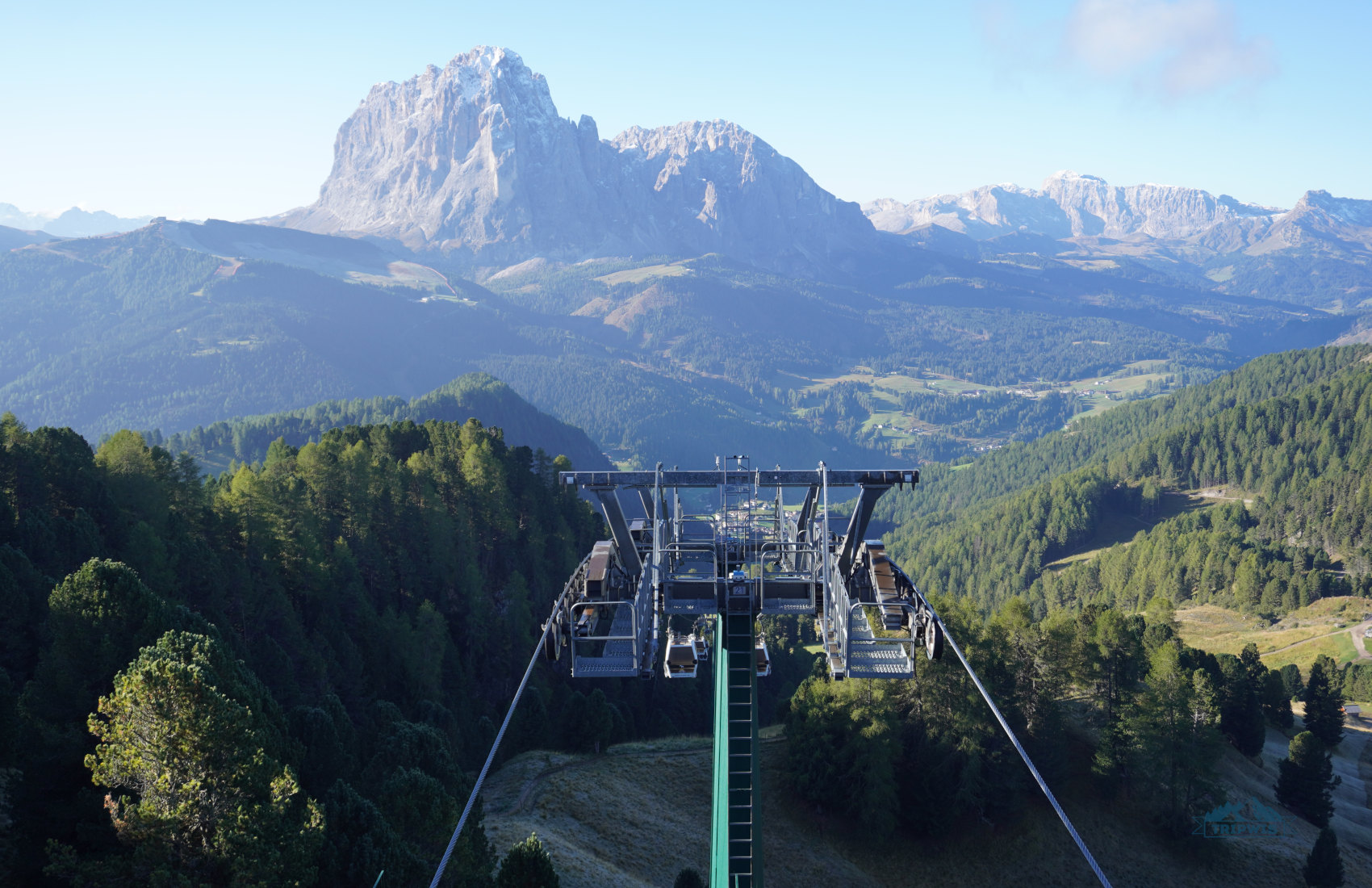
What’s it good for: July offers optimal weather patterns for all things outdoorsy in the Dolomites, be it hiking, cycling, mountain climbing, hut-to-hut trekking, or embarking on a via ferrata adventure (the “iron path”; essentially a climbing route built into the mountains with ladders and bridges joining the steep and often exposed terrain).
Downsides: The crowds start to roll in right from the beginning of the month, with the most popular destinations – Tre Cime di Lavaredo, Lake Sorapis, Lake Braies – getting absolutely packed day by day. July in the Dolomites most resembles an outdoor theme park – each worthy viewpoint is constantly swarmed with people, with not enough room to swing a cat or take a picture without other bodies in it.
Is July a good month for first-time visitors? Yes, if you play your cards right. Have a strict plan and start the execution at the crack of dawn every day to beat the crowds. Thorough planning is necessary to have a great trip to the Dolomites in July; prior booking is mandatory, particularly if you wish to stay at one of the rifugios on the trails. You have to reserve your stay months (!) in advance via the mountain huts’ official websites.
Where we booked a car rental >>
August
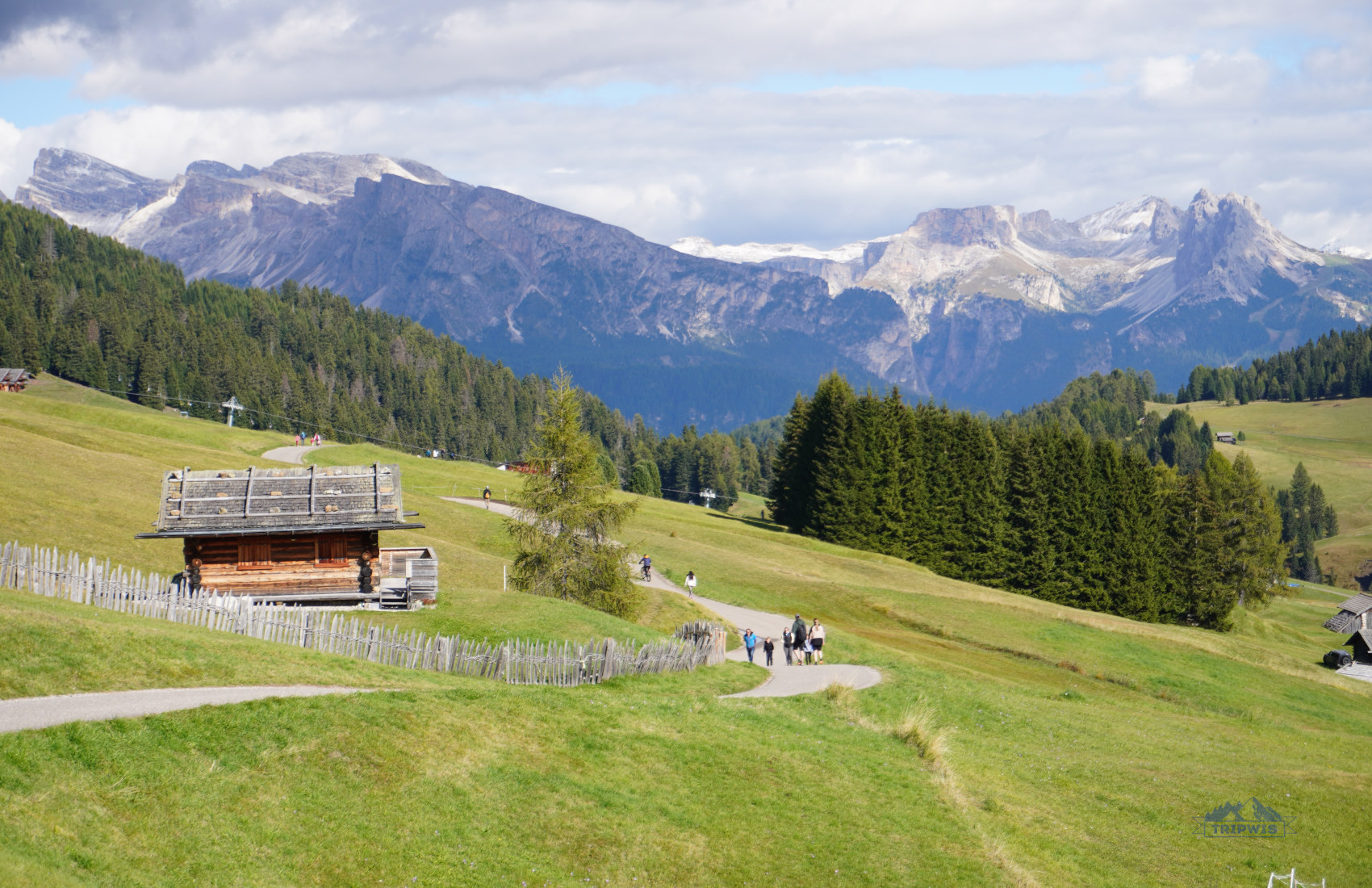
August is the posterchild for overtourism in the Dolomites. Italians (much like the majority of Europeans) predominantly take their holidays in August; the main city hubs are deserted, and all the locals flock to either coastal getaways or mountain regions, with the Dolomites taking the brunt of a huge wave of visitors.
High summer means some trails start to have traffic-like congestion problems – for example, a trek to Lake Sorapis will take you twice as long, just because you have to constantly stop and wait for people to pass. The parking lots for cable cars and trailheads get full mere minutes after opening.
Apart from the crowds, peak season in the Dolomites also means crazy prices. The accommodation costs are at their highest, and you cannot book anything same-day – a luxury that is possible closer to shoulder season, in late September or early October.
Side note: One time, at the hotel restaurant, I got chatting with a waitress who was spending her third summer season working in the Dolomites. She told me that every year, for the entire summer, a wealthy man from Milan comes to stay here – just to escape the city heat with minimal suffering!
August weather: It’s a perfect high summer weather; expect average day temps of +20°C (68°F), nighttime lows in the +10°C (50°F) range.
What’s it good for: Active adventures on the trails; hiking, biking, the whole shebang. Family trips also usually fall on the month of August in the Dolomites (the school’s out and the sun’s out, so that means fun’s out!).
Downsides: High prices aside, the main con of August in the Dolomites is the presence of crowds. You will never have the trail or the viewpoint all to yourself – a nightmare for introverts or just about anyone who wants a peaceful and quiet day in the outdoors. All the services run smoothly and efficiently by this point in the season, but they rack up lines nonetheless, due to the extraordinarily high demand.
Is August a good month for first-time visitors? Yes, with thorough planning. Book everything at least a month in advance to guarantee your August vacation will run without a hitch, and stick to the early morning starting times.
When it comes to particular hotels, I highly recommend these options that we chose for our trip:
- 4* Monte Pana Dolomites Hotel (Santa Cristina / Ortisei; from €210 a night) – perfect mountain resort like base for exploring Alpe di Siusi and Seceda
- 3* Best Western Hotel Nevada (San Vito di Cadore; from €100 a night) – set not too far from Cortina d’Ampezzo, this hotel is great to relax at after your Tre Cime di Lavaredo or Lake Sorapis adventures
- 3* Gasthaus Zum Weissen Kreuz (Lazfons; from €120 a night) – amazing for getting to know the vast Val di Funes better. We picked this hotel for better access to the Adolf Munkel trail
September
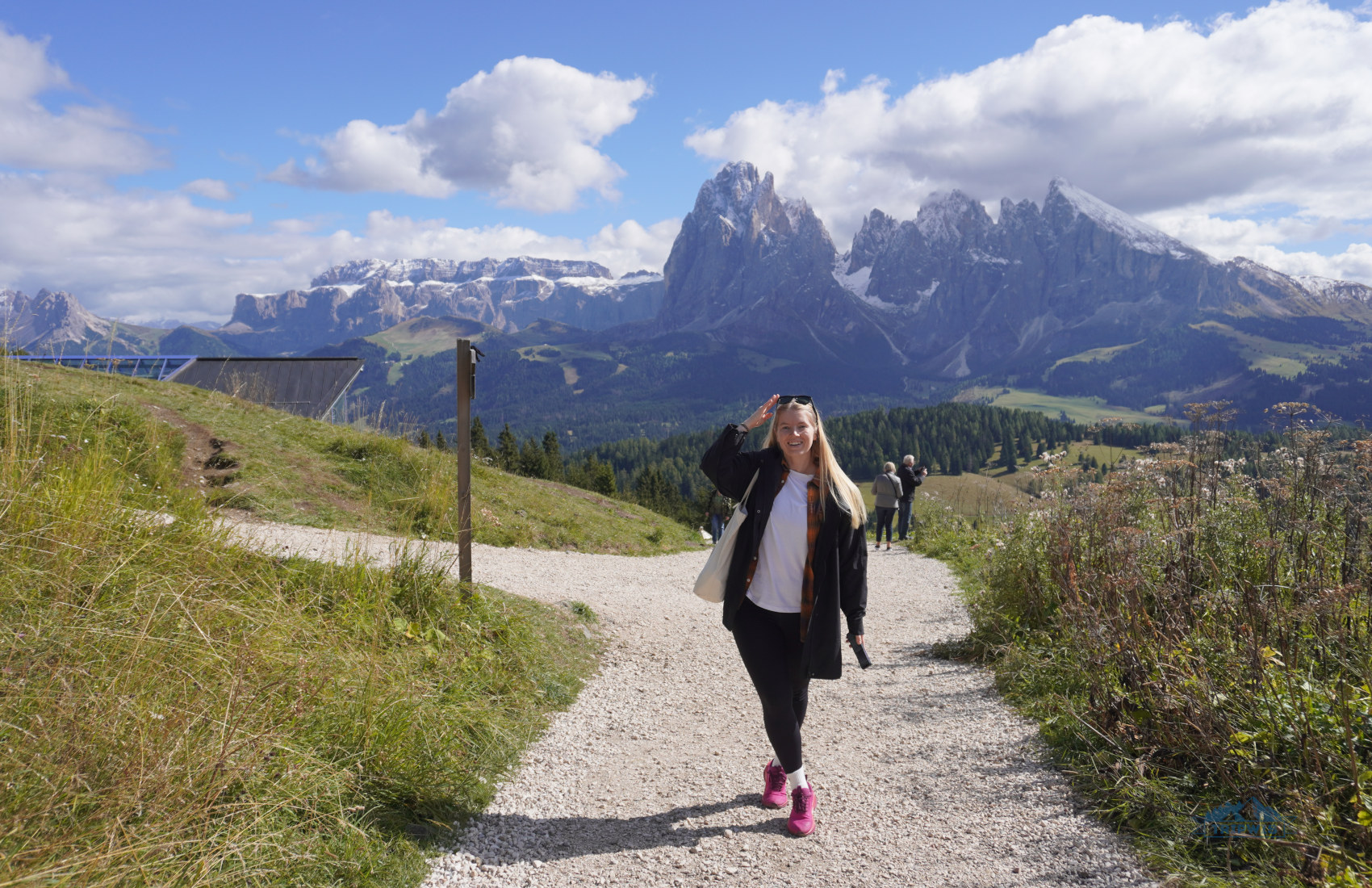
In my opinion, September is the best time for hiking in the Dolomites – a point that most guides agree with me on. The setting could not be better: The mountains finally start feeling “wild” – fewer people on the trails means more opportunities to hear birdsong or see an animal. The first hints of autumn colors creep up the forest edges, but not much; the bright green tint of the valleys is still the most prominent hue.
Since September sits on the cusp of shoulder season in the Dolomites, the month’s progression gradually takes you from peak summer towards fall. The change can be seen in everything: Temperature, infrastructure, availability, price. The first two weeks of the month are a sure-fire win through and through, but the last two weeks might look like a gamble – you’re choosing the cheaper period that can coincide with colder temps, bad weather, and rifugio closures.
September weather: It is not summer anymore, but the beginning of the month still averages the highs of +15…+22°C (59…71.6°F). Later dates get progressively colder, with end of September nights reaching almost freezing temps. Wear something warm and / or waterproof and you’ll be golden!
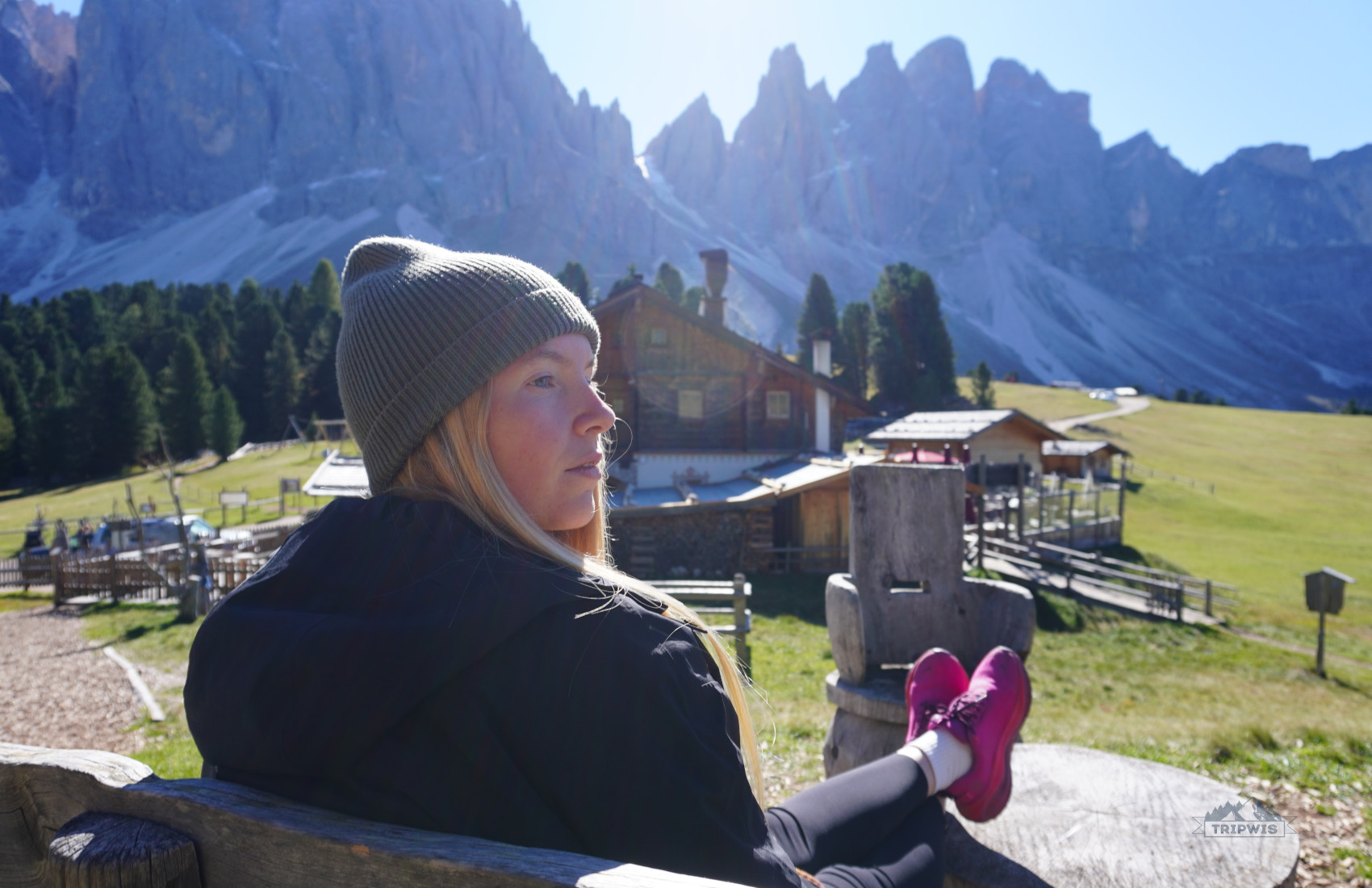
What’s it good for: September’s great for two main things, which are hiking and photography. The trails are way quieter, sometimes verging on being isolated – when we set off on the hike to Seceda from Col Raiser cable car upper station (the less popular option) early in the morning, there were only two other people on the trail leading up to the ridgeline. September also gets the nickname of the “Golden” month here, since the amazing visibility and the angle of the sun creates a golden light. Watch out for the enrosadira effect on the mountains – the rose-hue of the setting or rising sun paints the landscapes, turning them into a work of art. The prices also see a weighty drop closer to the end of September – the fact that warms our heart, even if the average cost of a hotel room still sits at a €100 mark (you’re in the Dolomites, after all!).
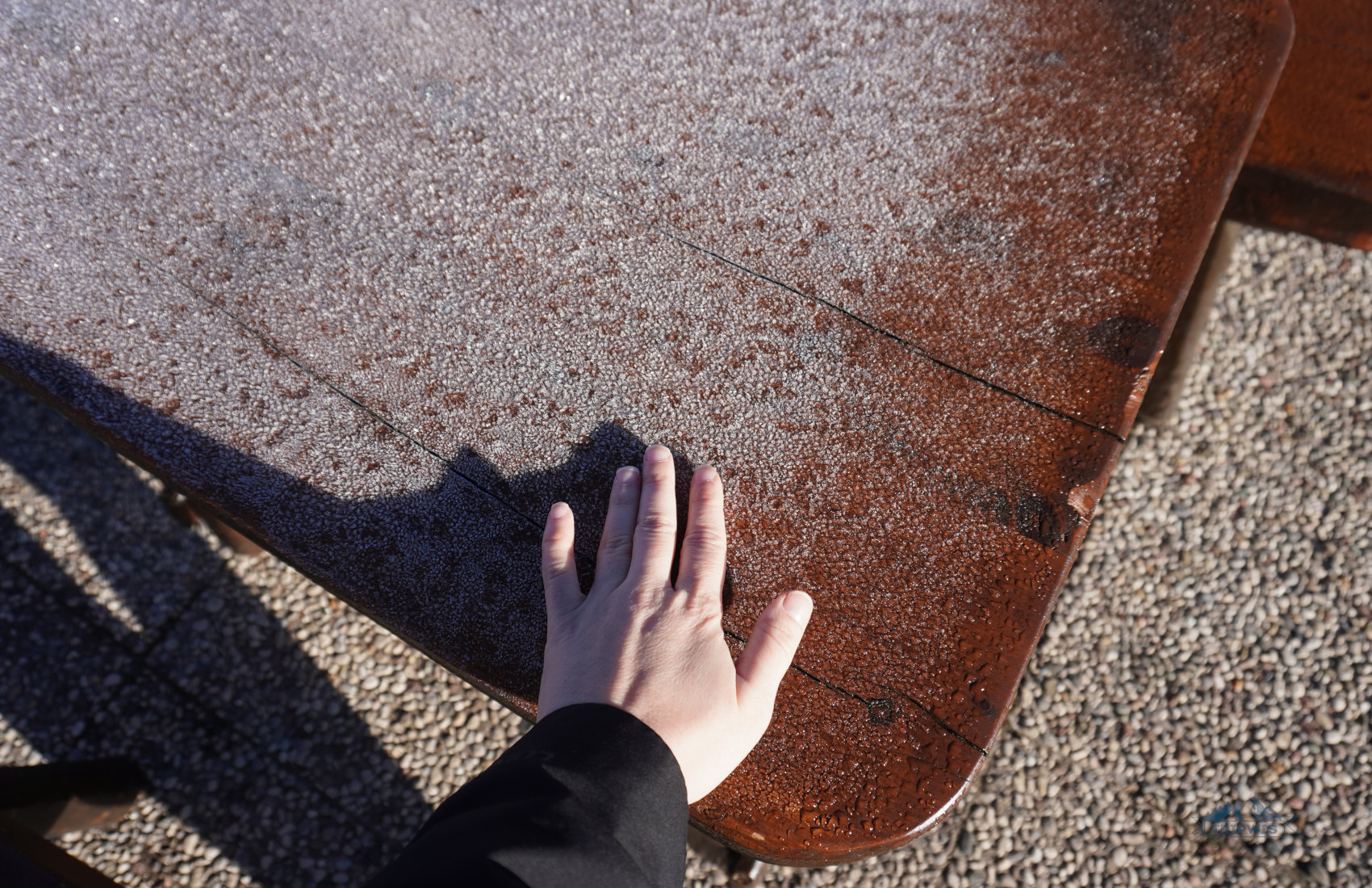
Downsides: The temperatures might get too low for one’s liking closer to the end of the month. Our last trip fell on the end of September, and early morning starts meant ice on the windshield and light dusting of snow up in the mountains. The days are also shorter in September, making you keep a closer eye on the timing of your hikes. Towards the end of the month, some rifugios begin to close.
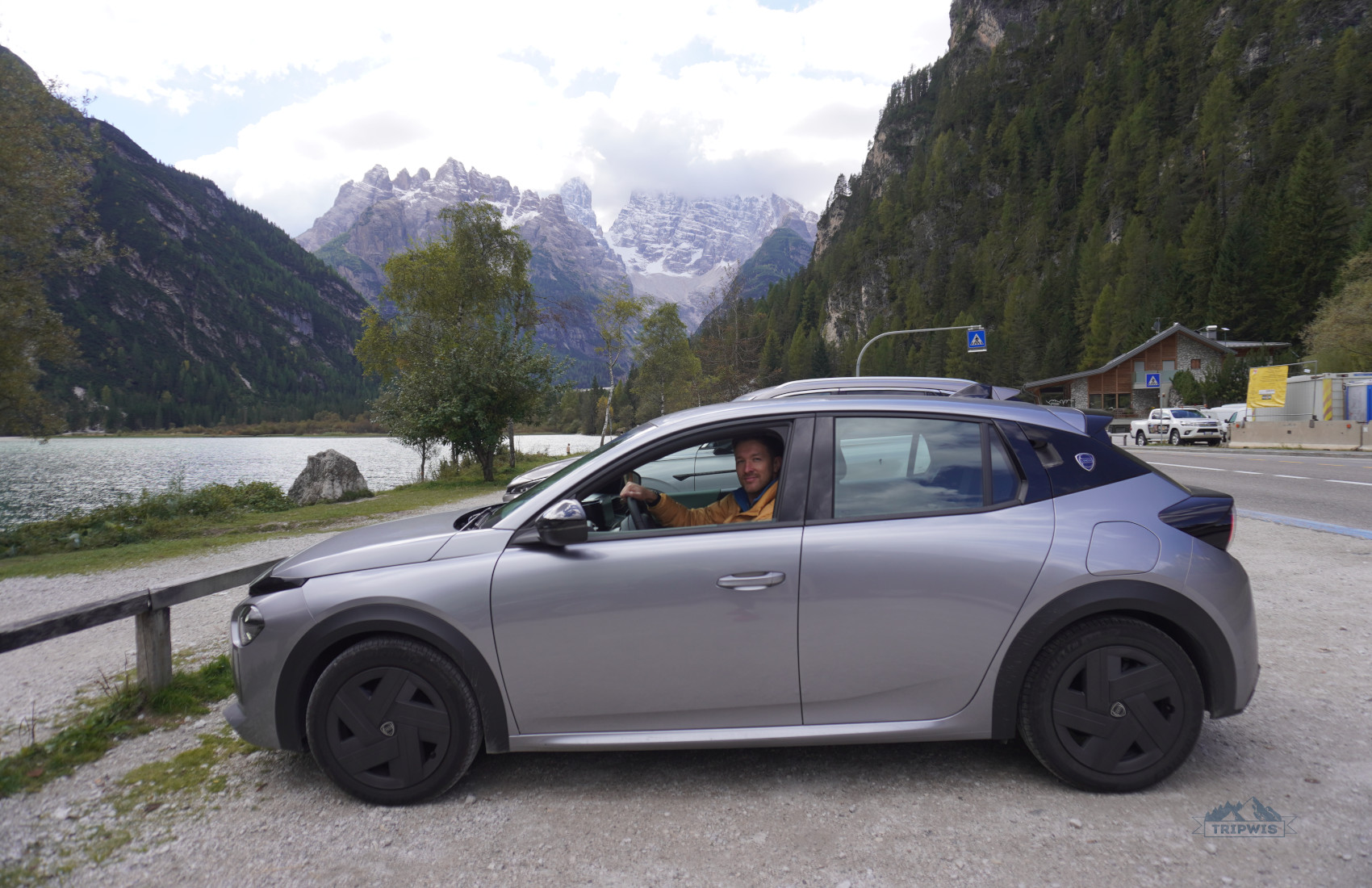
Is September a good month for first-time visitors? Yes, no doubt about it! I would recommend anyone planning to visit the Dolomites for the first time ever to schedule their trip for September; that way, they will get the more real and authentic experience, with the weather still permitting hiking most of the trails.
Our time here was overwhelmingly full and exceedingly real:
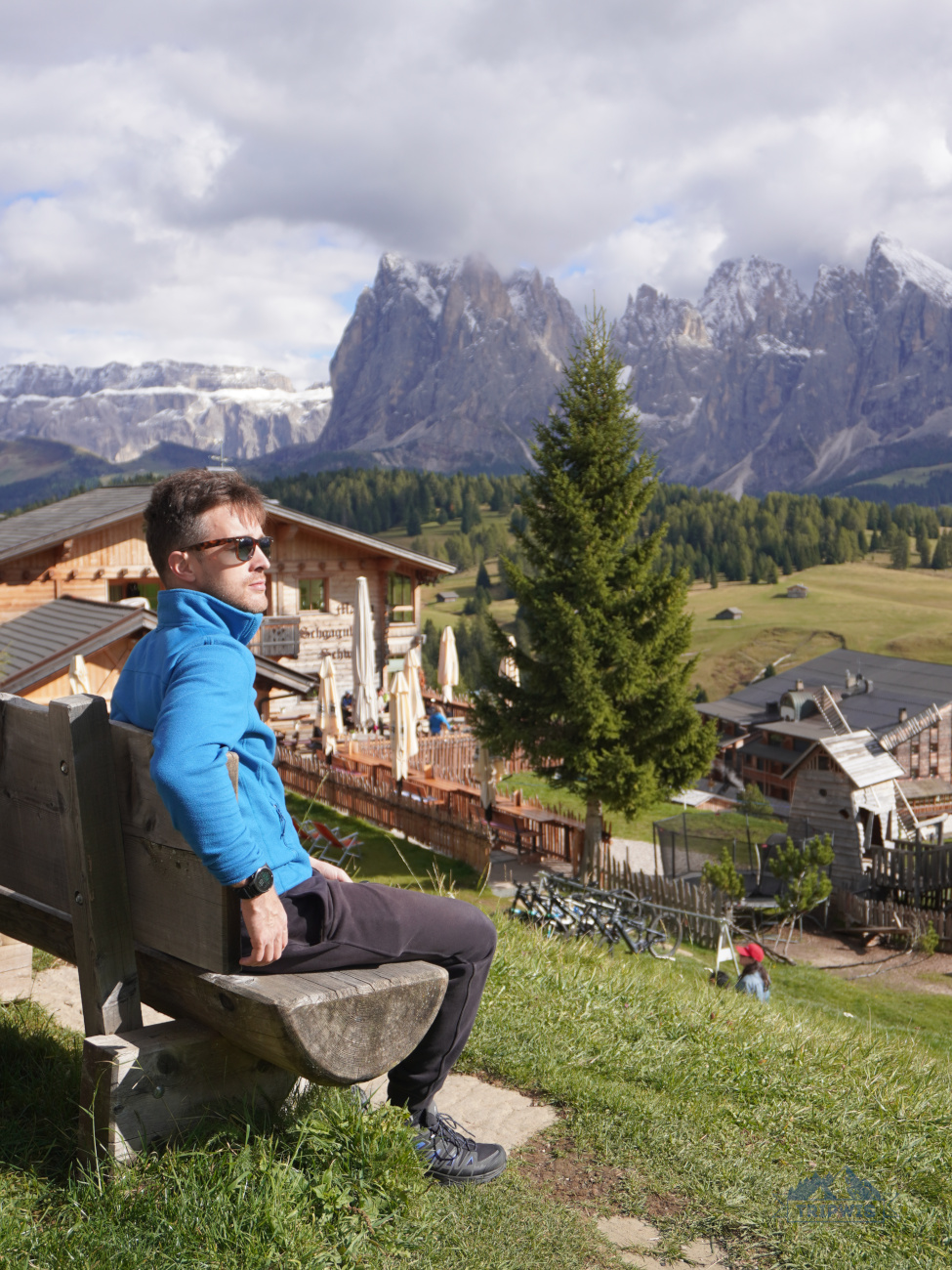
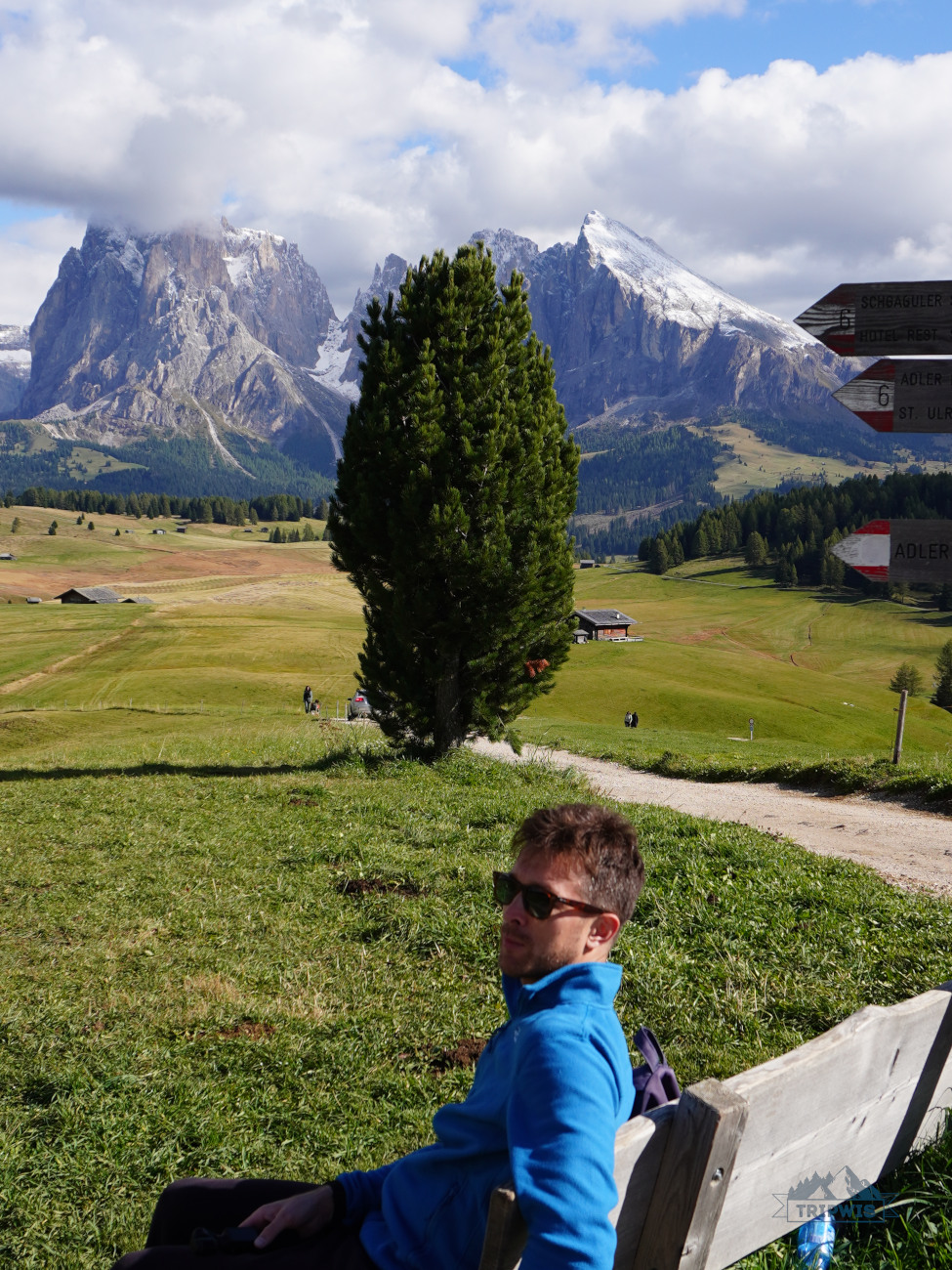
- We got the initial introduction to the region by paying a visit to Alpe di Siusi. Taking a cable car and getting an easy hike in was just what we needed for the first day here!
- We conned the system and visited the Seceda Ridgeline by choosing a cheaper cable car to get to the trailhead, and then got to know the area on a moderately challenging and a highly picturesque hike.
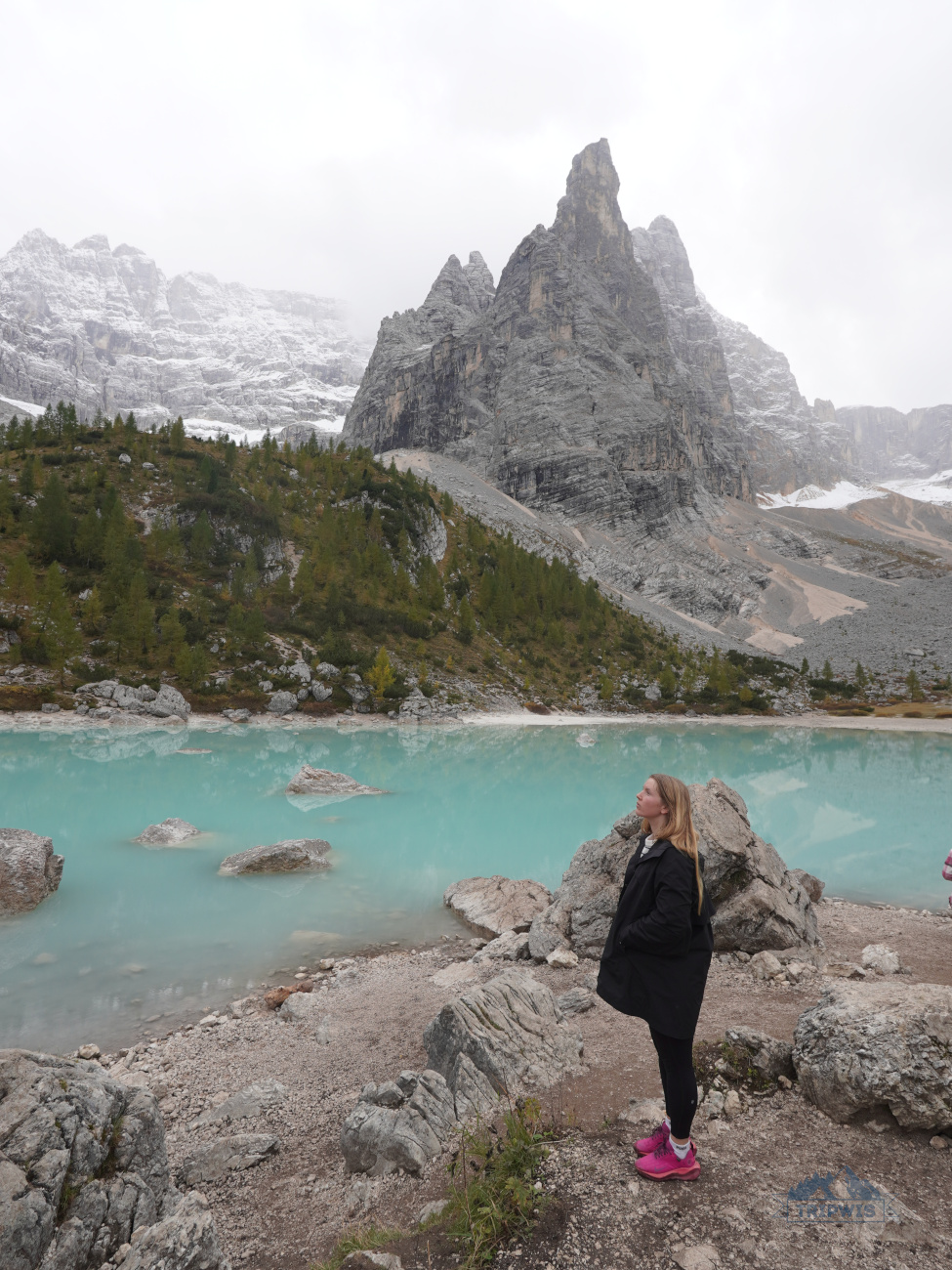
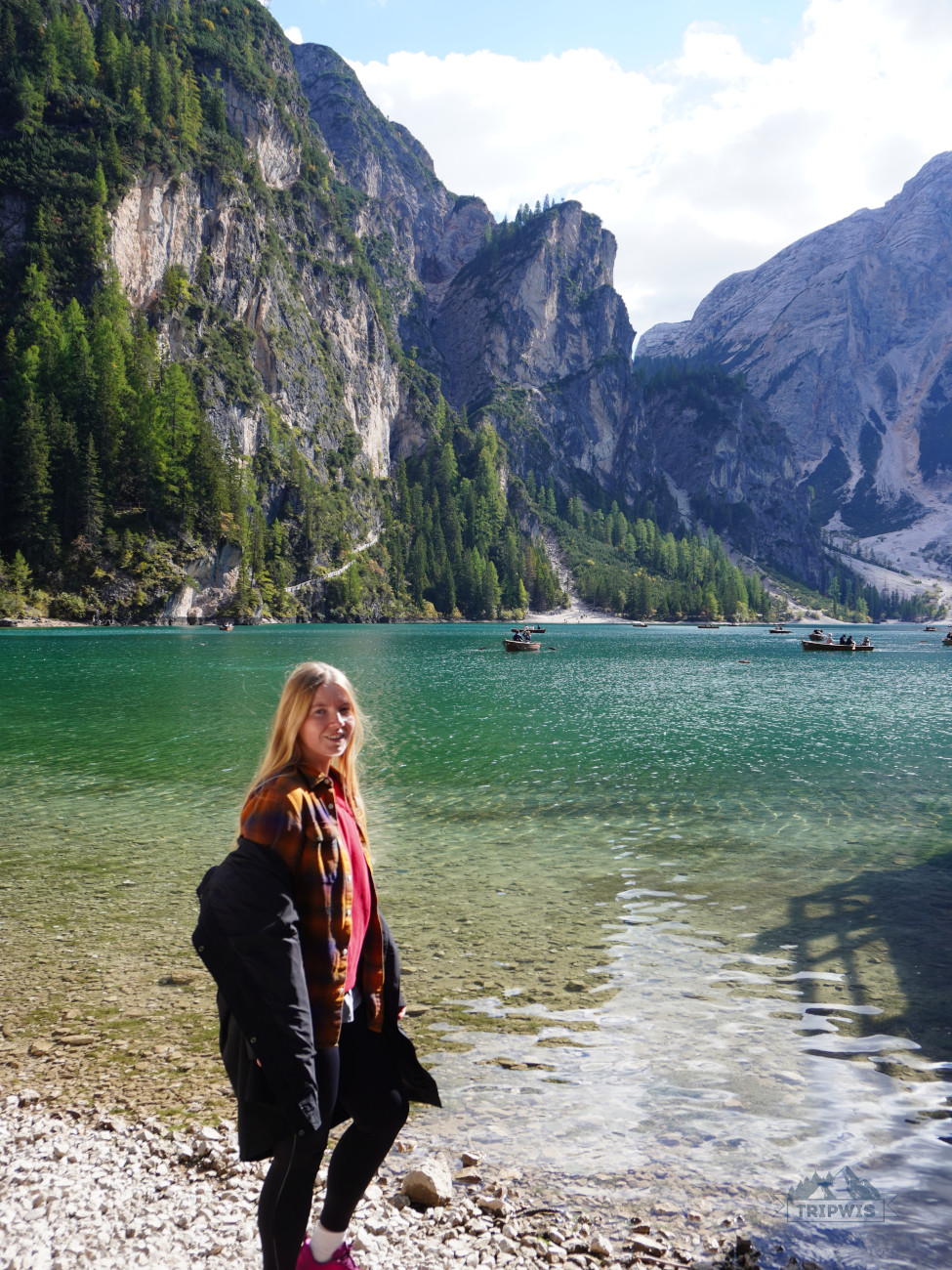
- We set off on a difficult trail to Lake Sorapis, hoping to catch its beautiful blue hue – it didn’t disappoint!
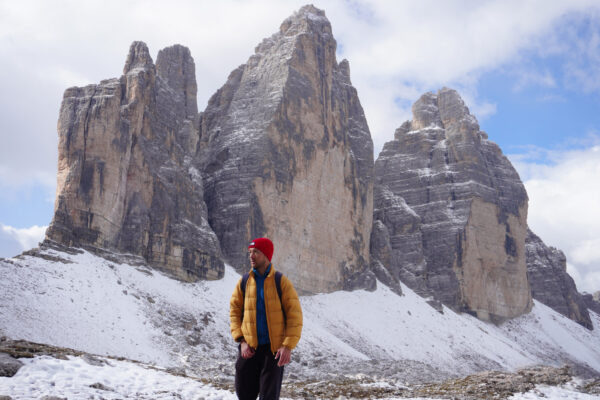
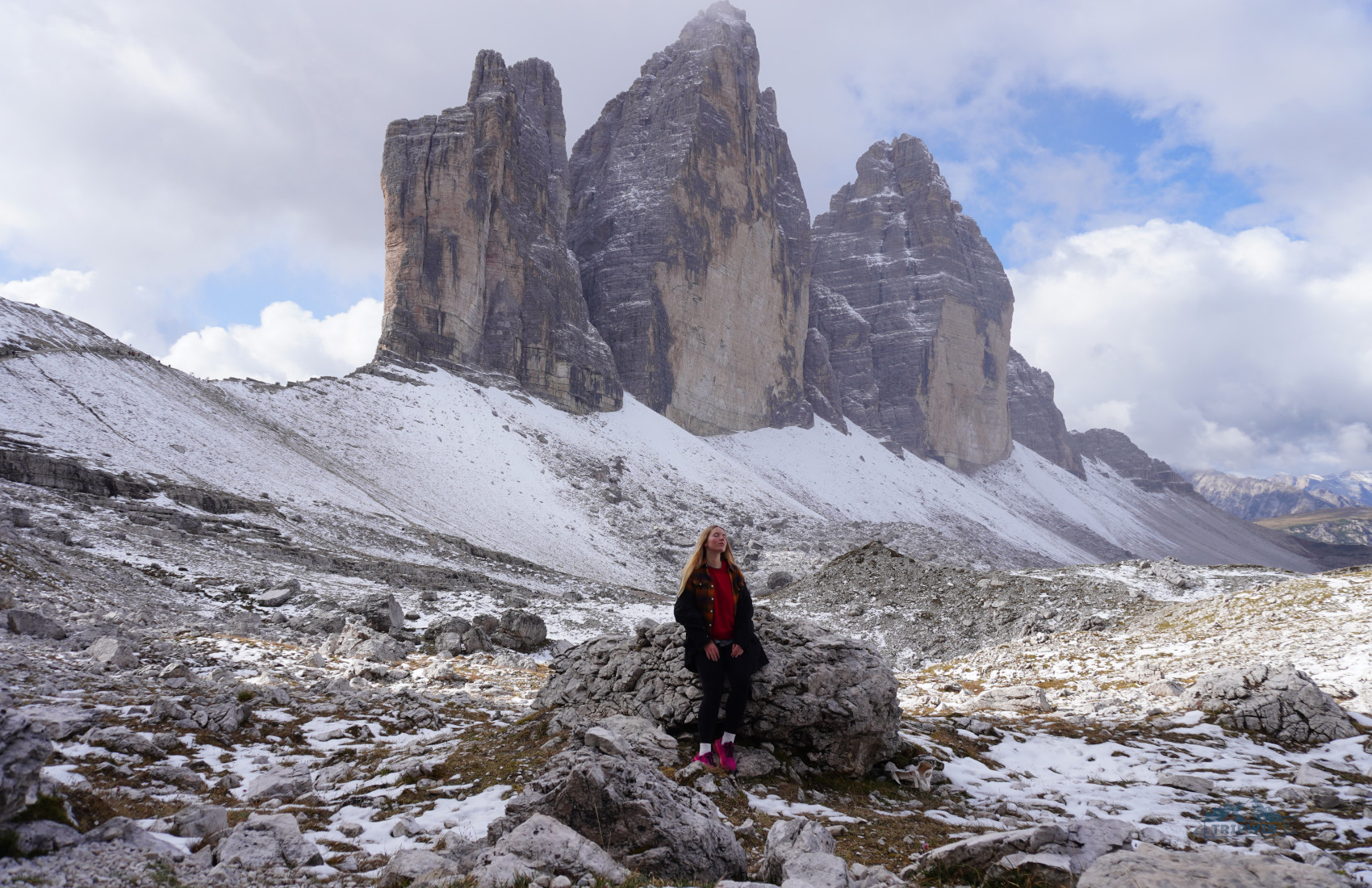
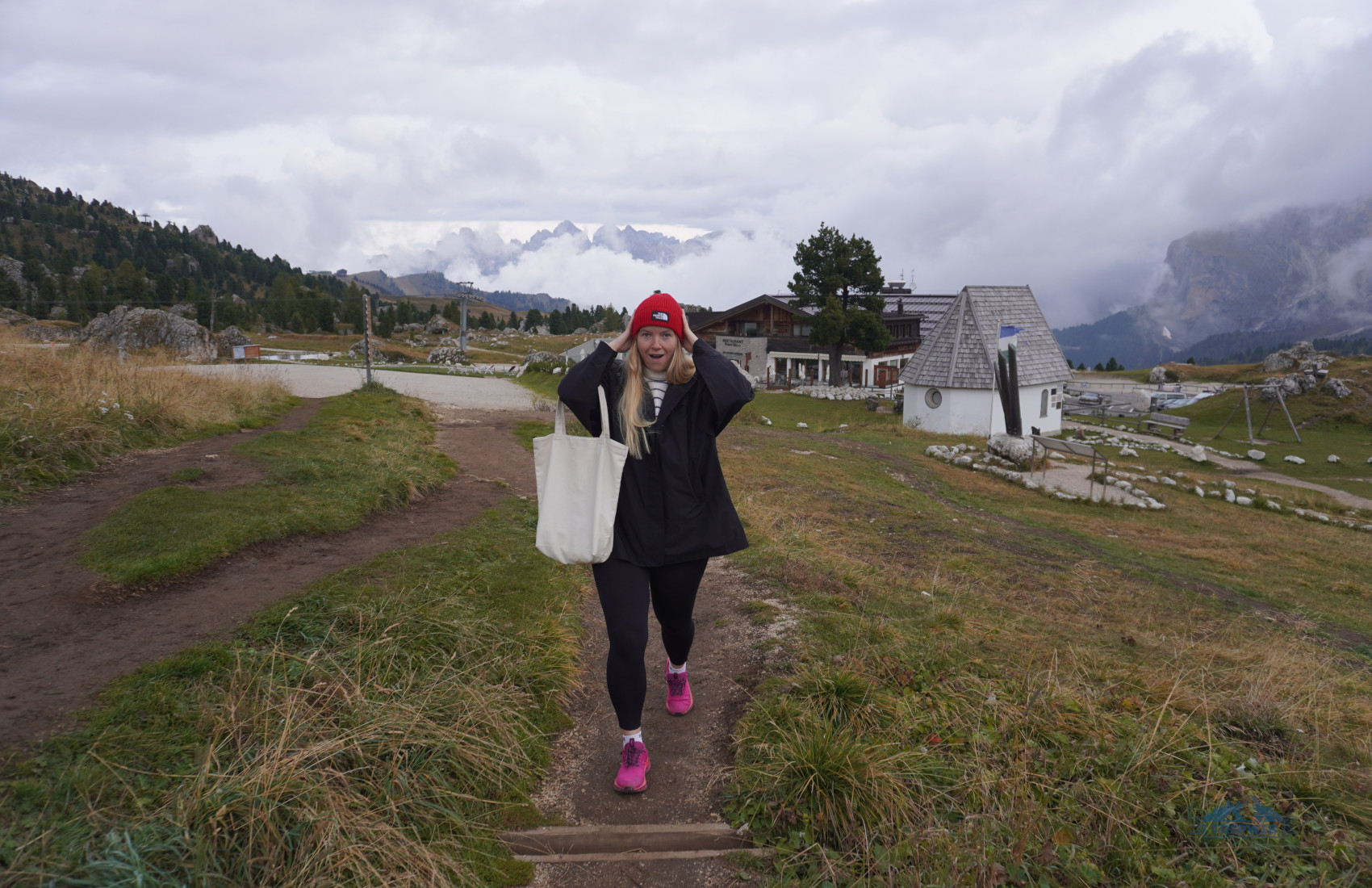
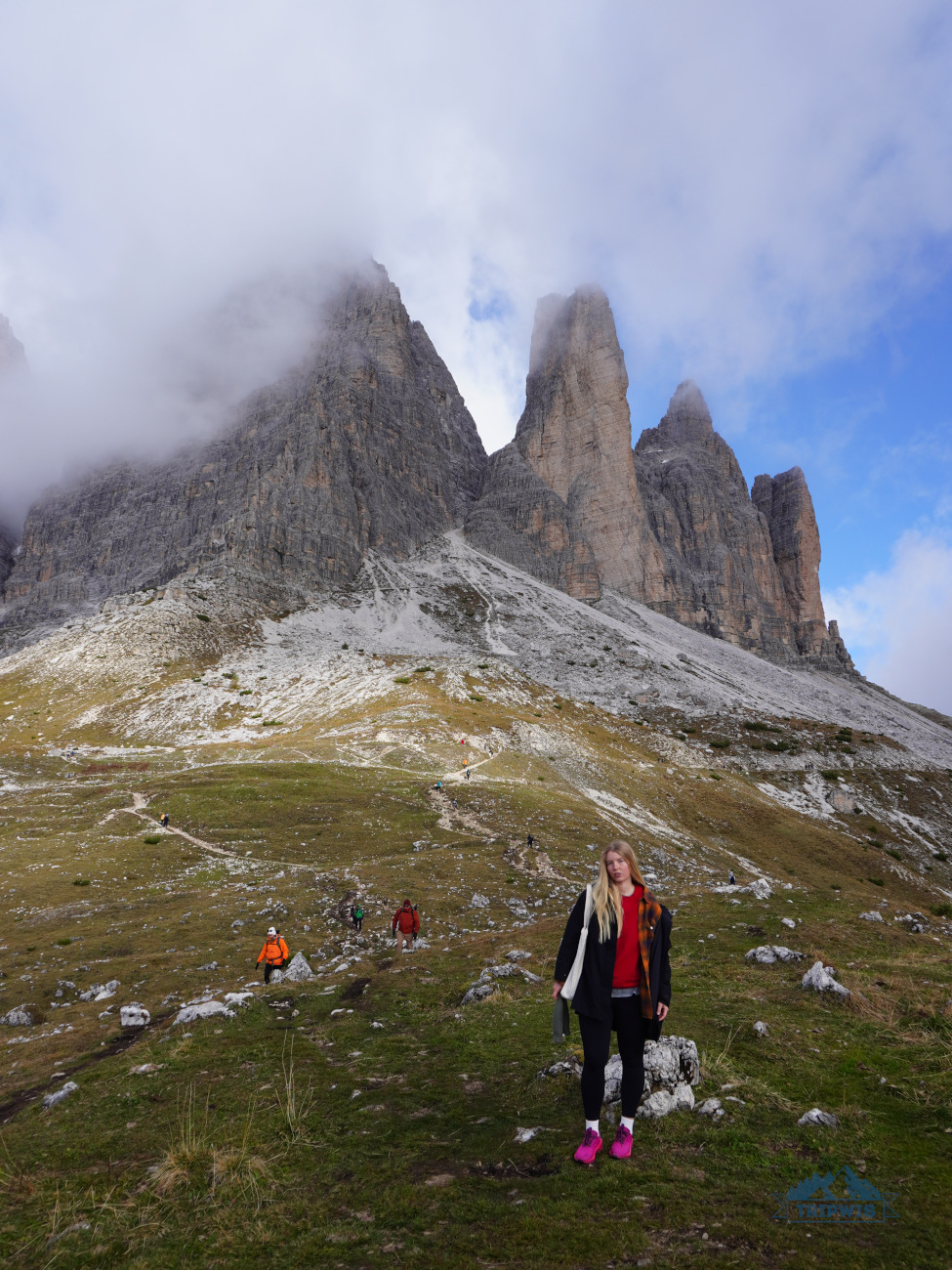
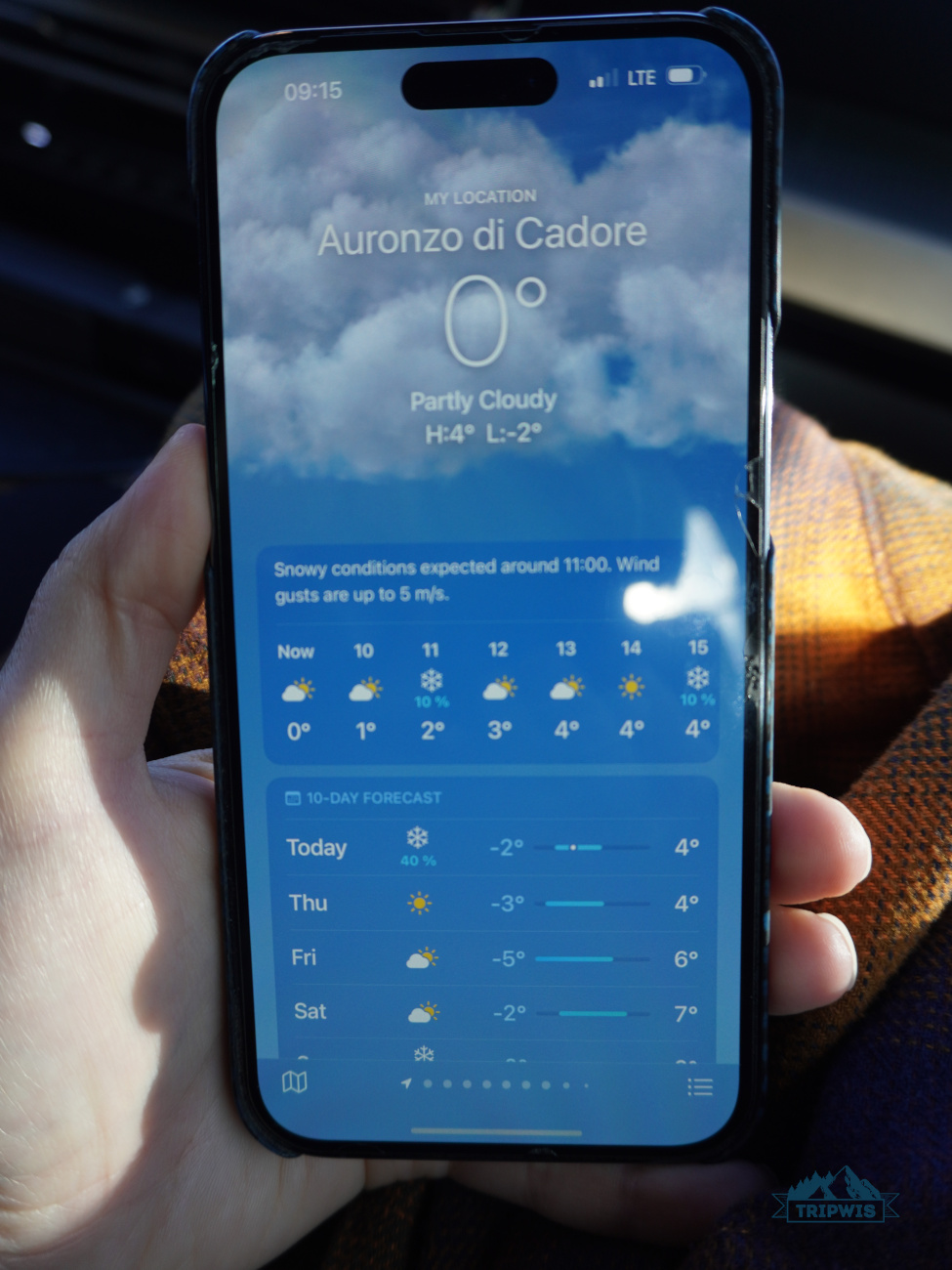
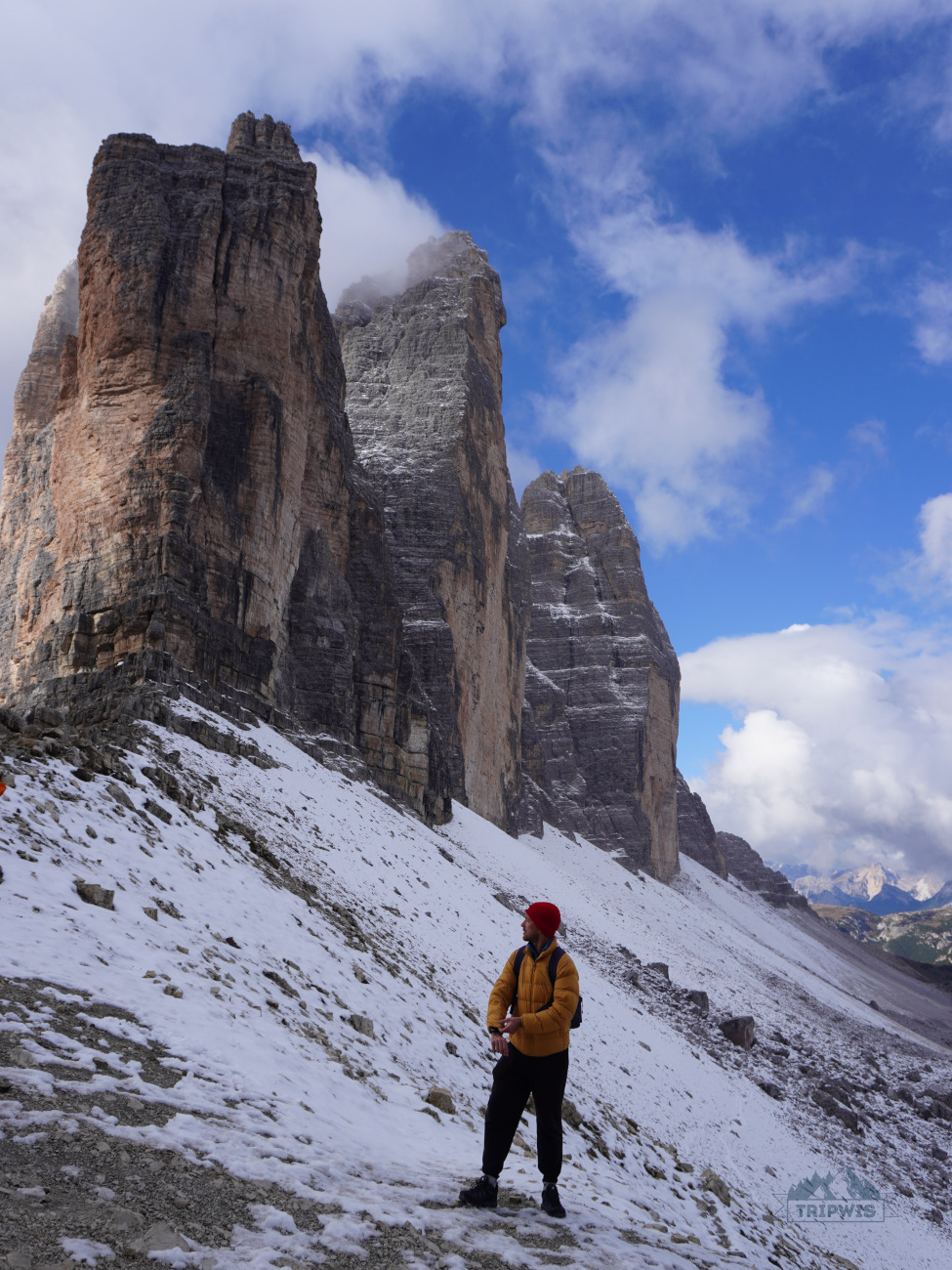
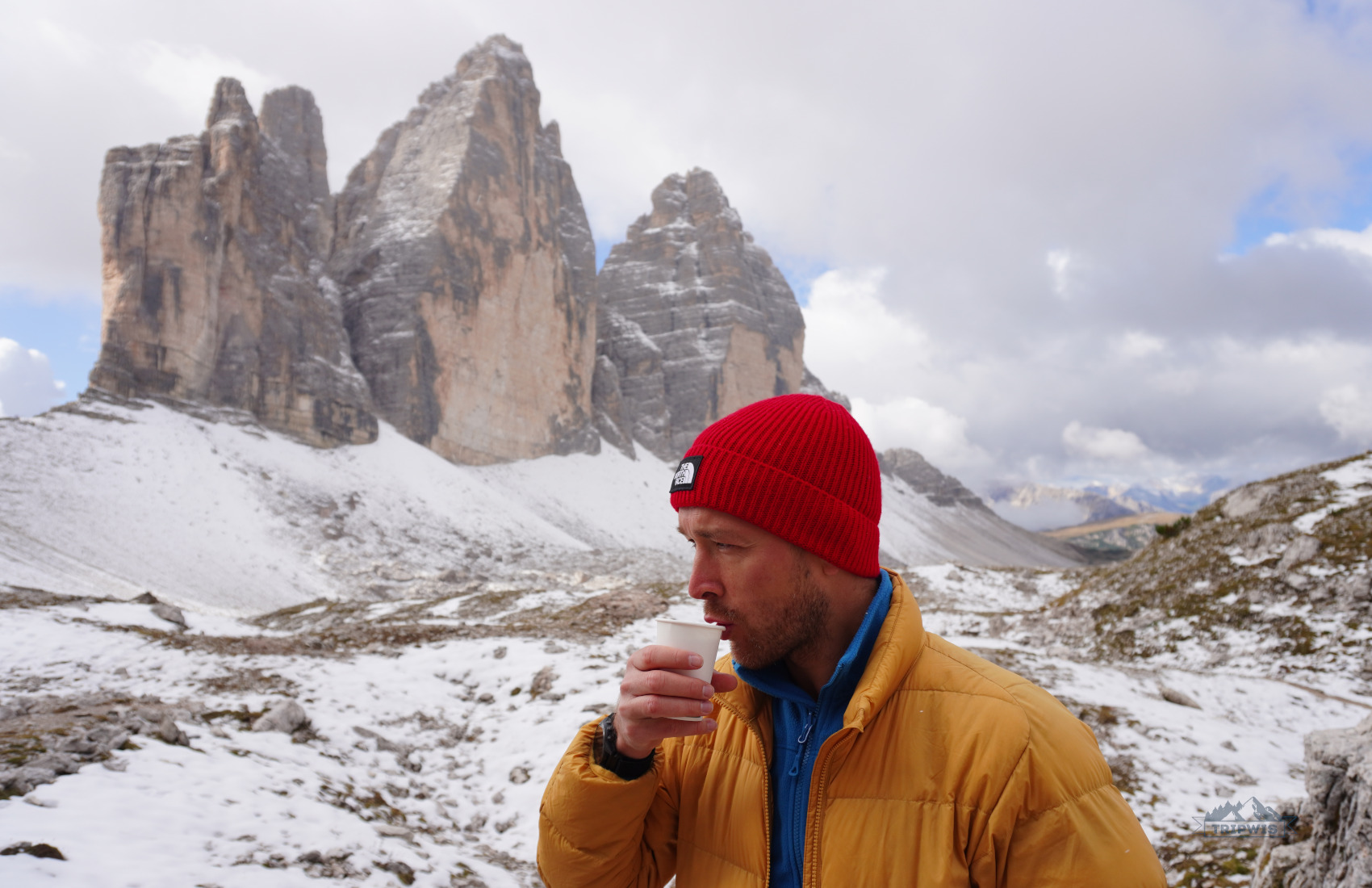
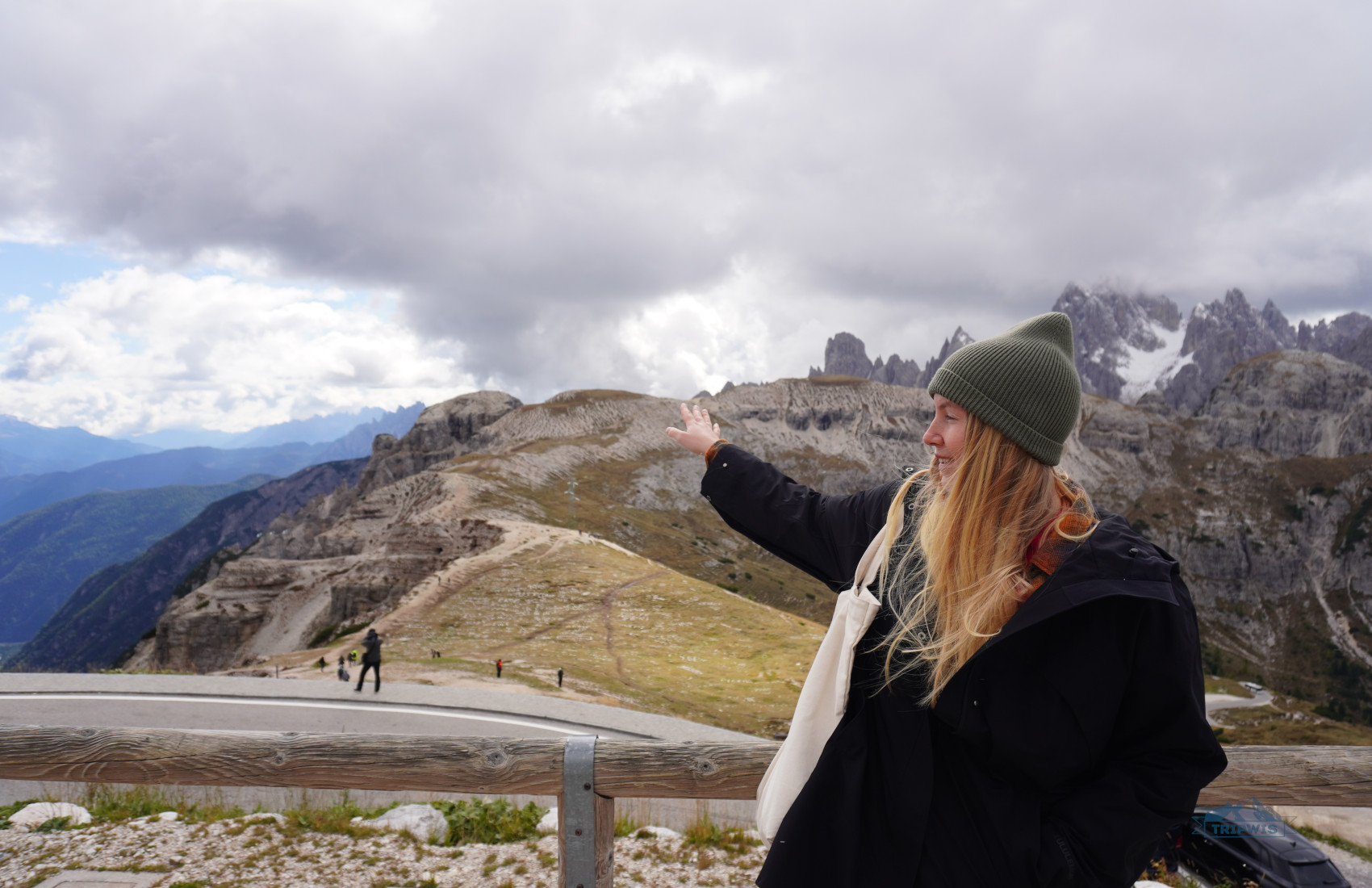
- Our Tre Cime di Lavaredo adventure was cut short by whipping winds, snow, and freezing temps, but we still had an okay time – witnessing the Three Peaks was the goal of the outing, and we successfully accomplished it.
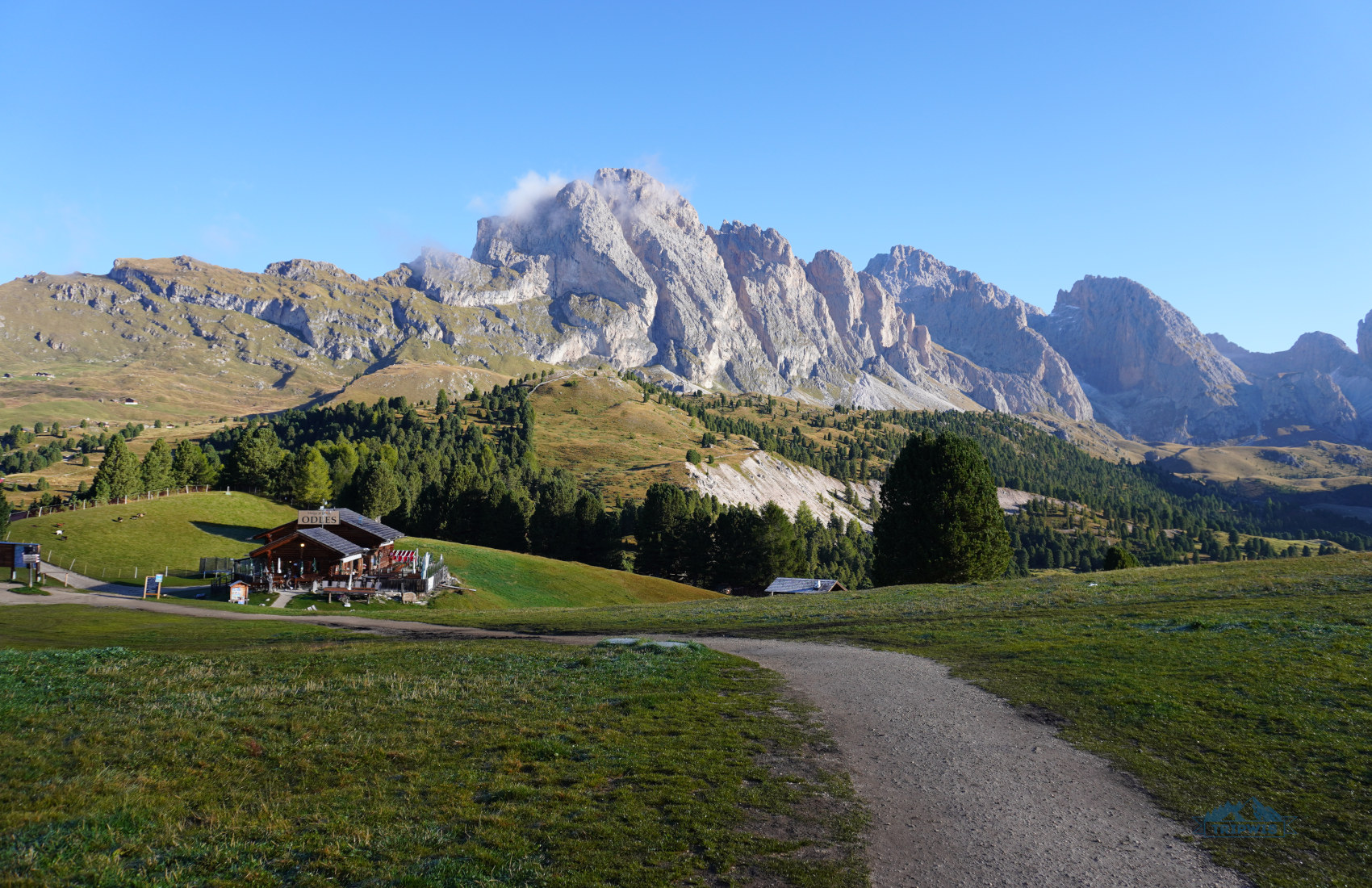
- We wrapped up our trip with the Adolf Munkel trail – sitting at the Rifugio Odle viewpoint and taking a full survey of the mountain peaks and the valley below them is the experience I will never forget!
October
This is when autumn in the Dolomites kicks it into high gear! After the first two weeks of October, the landscapes change dramatically – fall colors come forward, with bright yellow larch trees dominating the scene. However, the end of high season is followed by rifugios closures and cable cars stopping their operations. Less infrastructure means having to be more creative at molding your itinerary – without some lifts, the only other choices are prolonged hikes with significant elevation gain.
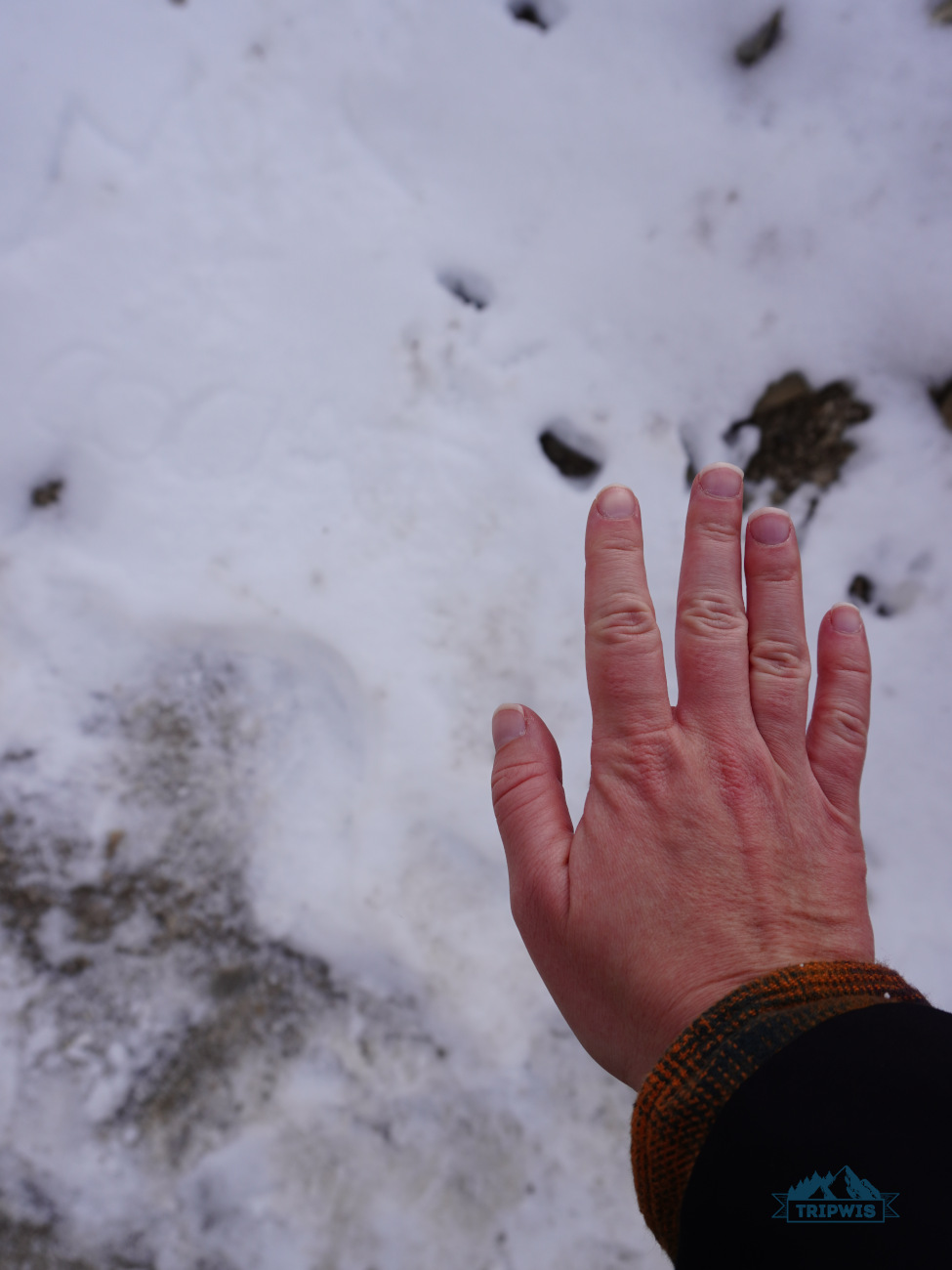
October weather: It is getting colder day by day in October in the Dolomites. The average day highs range between +8°C and +15°C (46.4°F and 59°F) at elevation, with night temps hovering around or below freezing. There is real chance of it starting to snow – our Tre Cime di Lavaredo escapades in early October came with wind chill and snow.
What’s it good for: Very quiet hikes and fall landscape photography. The light is beautiful, and you can finally capture the scenery without people in it. There are also great deals on stays in the region in October (though some hotels and even eateries start pausing their operations for low season).
 |
 |
Downsides: By the end of the first week of October, most of the rifugios on the trails are closed. Cable cars and even some bus lines that are very active in summer season also stop their operations for the winter. Nature “closes up shop” for low season as well: Shorter daylight hours, more chances of snowfall, lower water levels in mountain lakes.
Is October a good month for first-time visitors? Yes, if you come in the first half of the month. If you’re after autumn foliage in the Dolomites and do not mind the limited infrastructure, then the second half of October might still work for you.
Watch my Youtube video from our late September—early October trip for a clearer picture of what it’s really like:
November
 |
 |
I’ll keep this one short – November is the single worst month to visit the Dolomites.
Summer season is over and winter season has not yet begun; everything is closed! The towns and villages look deserted, and the weather conditions make most trails untraversable. In November, bright autumn foliage turns into a wintry scene, with shades of grays and browns overpowering the panoramas, and mountain lakes starting to freeze over. A pretty grim sight, even for such a spectacular region!
November weather: Cold, transitional fall-to-winter weather, with average highs reaching +5°C (41°F) in the valley, but usually hovering around +1°C (33.8°F). Rain is common in November; snowfall comes in the second part of the month.
What’s it good for: Absolutely nothing.
Downsides: Absolutely everything.
Is November a good month for first-time visitors? No, even if you find some one-of-a-kind deal, do not, under any circumstances, come to the Dolomites in November.
December—March
Winter season in the Dolomites is summer season’s main competitor – this is when the second wave of tourists flocks to the hills for some skiing, snowshoeing, and other winter activities.
December in Ortisei and Cortina d’Ampezzo (and other locations, like Bolzano and Brixen) also means that a festive spirit of Christmas markets and vibey holiday decorations are abound in the streets and establishments. Of course, skiing is the ultimate activity of this period in the Dolomites, but you can still have a great time here without hitting the slopes: Indulge in an après ski ritual, take a scenic cable car ride, and forget about time at your hotel’s SPA facilities.
December—March weather: Snow covers the ground well into the end of March. Throughout the entire period, it is obviously cold, but also mostly dry and sunny – the light is good all day, with crisp blue skies setting your trip up for success!
What’s it good for: Mostly skiing, but also exploring the towns, doing a staycation at some luxury resort, or trying your hand (or foot) at snowshoeing – you can actually traverse some of the trails in winter as well. For example, Adolf Munkel trail turns into a snowshoe hiking route; if you have the necessary equipment, you can reach the iconic Rifugio Odle (it is also open in winter), get a warm beverage, and enjoy the panoramas of the mountain peaks and the valley below them blanketed with snow. Winter photography is also a popular activity in the Dolomites – though the setting lacks the usual colors of the green grass and vivid flowers, the bright blue sky and the blindingly white snow more than make up for it.
Downsides: Most of the trails are closed so you cannot hike; some are open but can only be undertaken if you have proper equipment (snowshoes, crampons, etc.). The prices during this period are also high, but this comes with the territory – miles and miles of excellent slopes for all levels plus the well-developed infrastructure make the Dolomites one of the most sought-after skiing destinations in the world.
Is December—March a good period for first-time visitors? If your trip’s main focus is skiing, then hell yes. If not, you will have to get creative to fill your time here with activities worthy of the elevated price tag.
Side note: The hotel we stayed at in Val Gardena (a popular place full of ski resorts) – Monte Pana Dolomites Hotel – is a go-to option for a winter trip to the Dolomites as well. The slopes and ski lifts are nearby, and the hotel itself is basically synonymous with great après ski vibes!
April—May
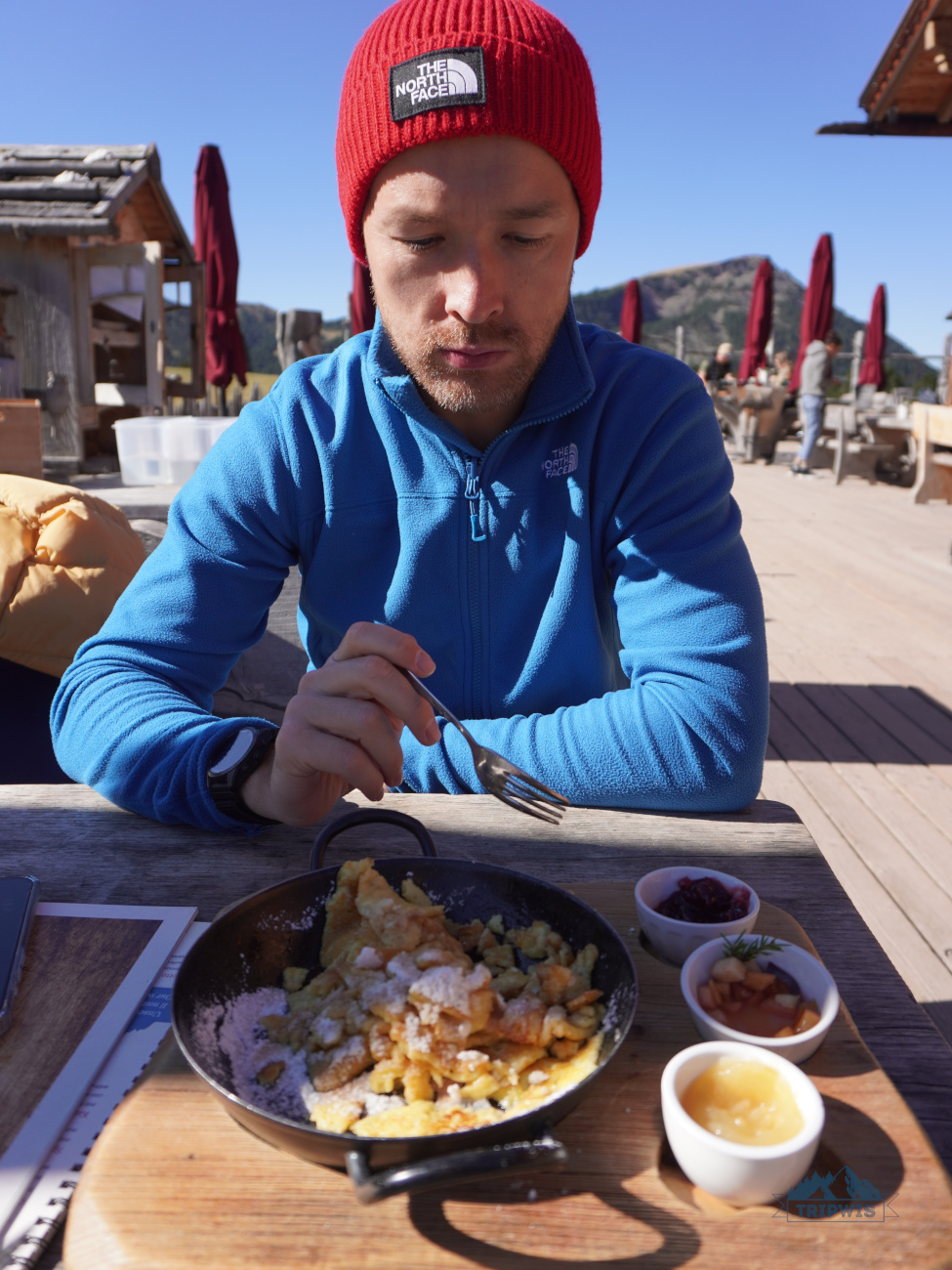 |
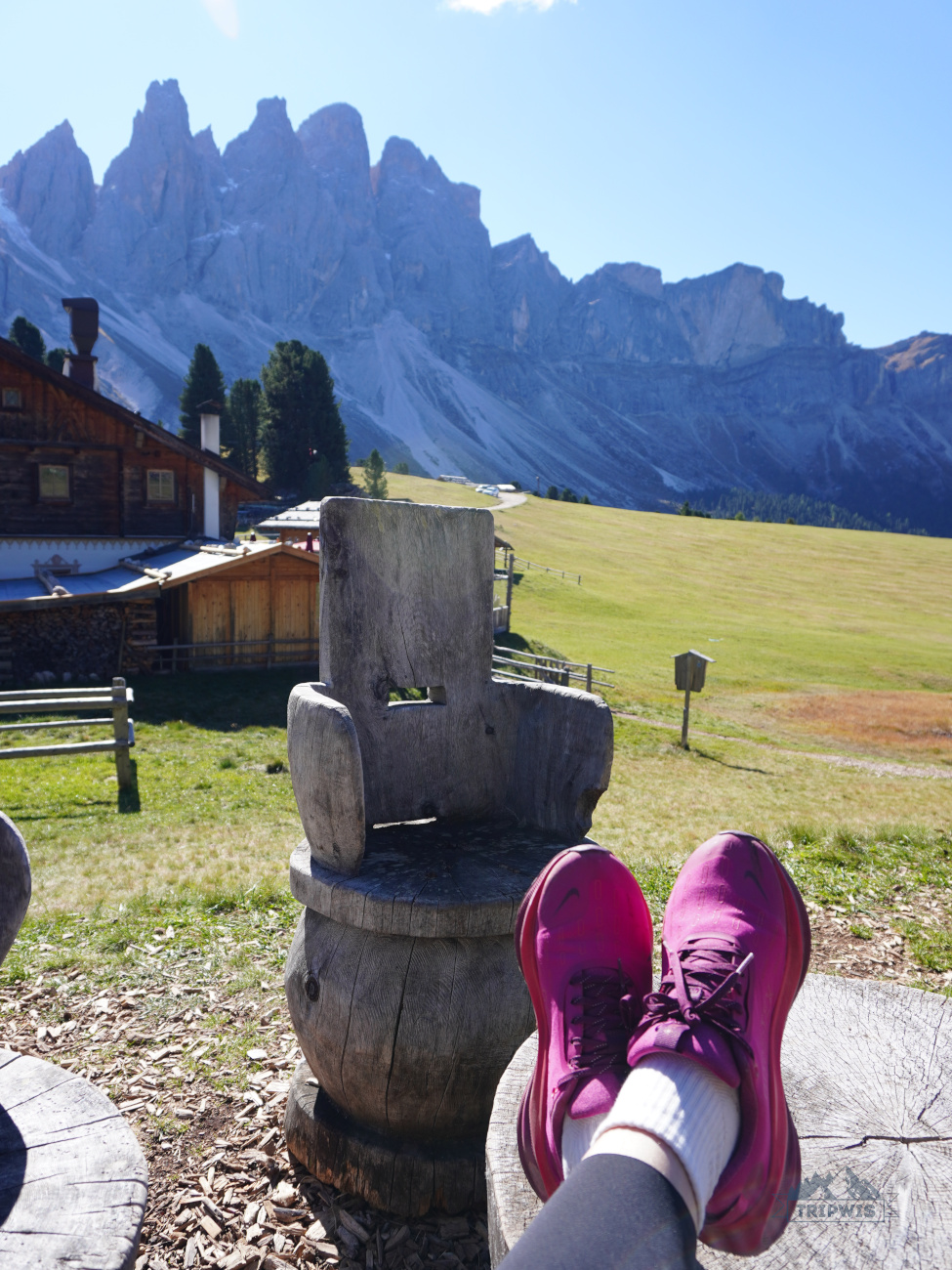 |
It’s an obvious transitional period from winter to summer. April remains quite cold with lots of lingering snow (you can even get in some skiing during Easter), while May warms up quite a bit closer to the end of the month. Still, it’s shoulder season that is not great for hiking. The infrastructure and establishment closures in-between winter and summer are apparent – if your trip falls on this period, book a hotel with a half-board option: Outside Cortina d’Ampezzo or Ortisei, you’re pretty much on your own, food-wise.
Towards the end of May, you can already see the region start to come alive with visitors. Some years, you can already try hiking the lower trails (be ready for mud galore). However, higher grounds are still very much snow-covered and closed for trekkers.
April—May weather: This short period of spring in the Dolomites is pretty unpredictable and unstable. General temperatures range from 0°C to +13°C (32°F to 55.4°F) in April and May; and while April is still at the tail end of skiing season, May’s snow cover is very unreliable. Once the snow starts to melt, the trails turn into a mixture of slush and mud, so hiking is also impossible.
What’s it good for: Cheaper accommodation and exploring the cities in the valleys without tons of tourists in the way. You can try hiking the Adolf Munkel trail in mid-April as it clears of snow earlier than the others.
Downsides: Everything is closed, it’s just the locals going on about their lives. You can’t ski or hike – the prime outdoor activities of the region are very much limited.
Is April—May a good period for first-time visitors? No! After November, it’s the second worst period to plan your Dolomites trip for.
Still, these are great and and unique hotels that become cheaper in April and May (compared to summertime):
- Linder Cycling Hotel (Selva di Val Gardena, from €230 a night in May) – a chalet-style hotel with a spa, an open rooftop terrace surrounded by the Dolomites mountains, and cozy lounge areas
- Hotel Hubertus (Valdaora, from €630 a night in May) – this hotel feels like a destination in itself for a weekend getaway. Everything about it is exclusive: The architecture, the room design, the sky pool floating above the ground. Just look at the photos – you’ll be blown away!
- Saltus, Small Luxury Hotels SLH (near Bolzano, from €490 a night in May) – another hotel gem for design and architecture lovers. The light, the wood, the views – every detail is impeccably thought through.
What changes by season?
Now that we’ve gotten familiar with the weather breakdown of the region, let’s focus on other factors that might make up your choice of the best time to visit the Dolomites.
❗️Rifugios and mountain hut closures
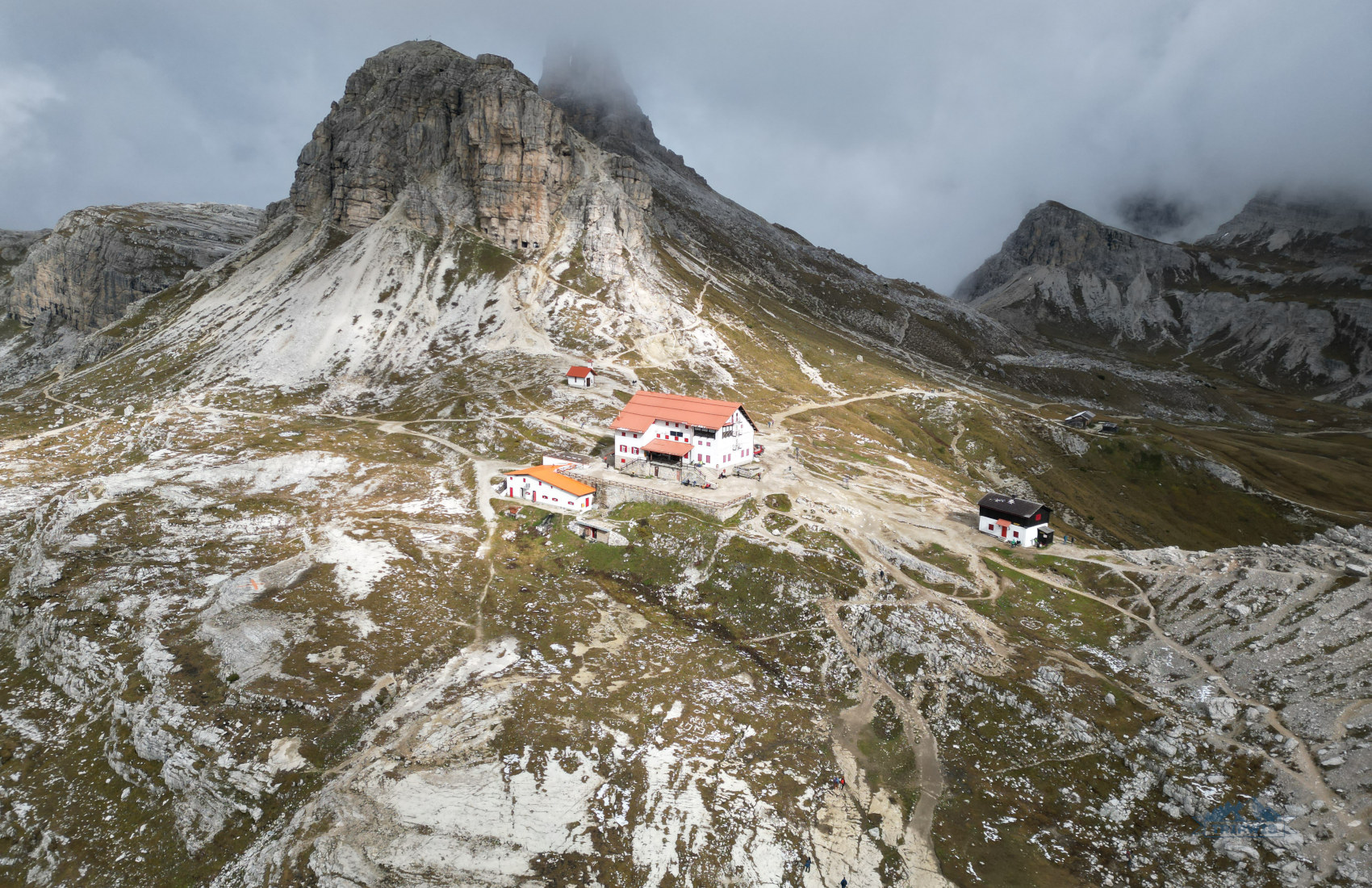
In the Dolomites, rifugios are the must-see and must-visit establishments. They exist on all major trails in the region. While most of them act as farm-to-table restaurants with spectacular views from outdoor seating areas, some bigger huts also offer overnight stays.
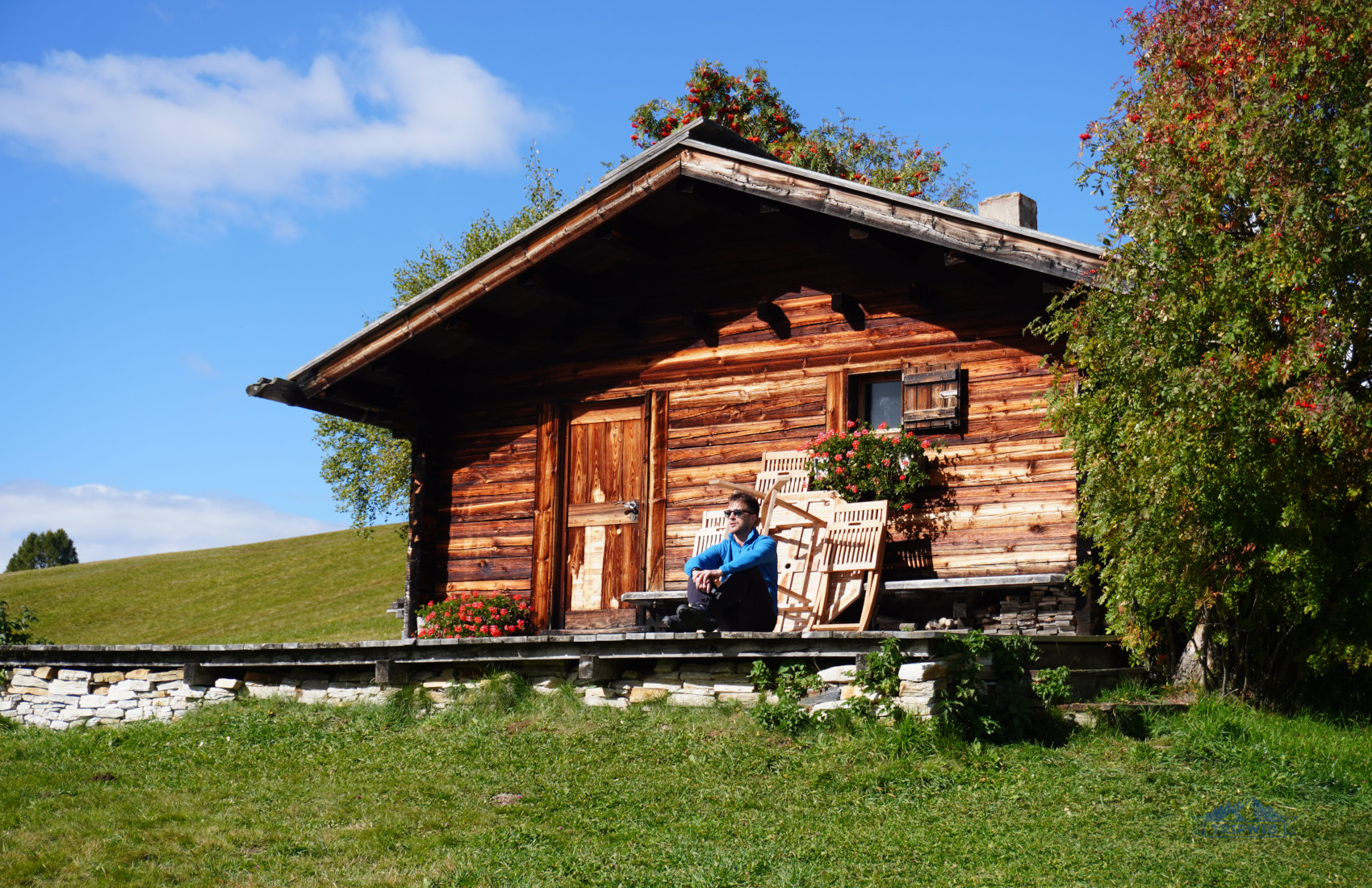
Coming upon a rifugio while trekking is the closest you’ll get to seeing a mirage in the desert: As we were hiking the Alpe di Siusi Panorama Loop Trail, we got cold – reaching a rifugio where we had some hot drinks and a sweet treat was the highlight of our experience!
However, there is a limit to a window of when such an occasion is possible. Most of the rifugios in the Dolomites are seasonal:
- Summer season (late June—mid-September) – all major mountain huts are operational during this period, offering their full services
- Shoulder season (early June and late September) – many rifugios open around June 20 and close around September 20; though these dates are not set in stone
- Off-season (April and mid-May and late October and November) – most of the mountain huts are closed during these periods
- Winter season (December—March) – there is a small number of rifugios that are working through winter months for ski season: Baita Sofie on Seceda and Rifugio Odle on Adolf Munkel trail, just to name a few
Though they are not wizards of social marketing, most of the rifugios in the Dolomites have their own websites or Instagram pages. If your trip falls on the months during the shoulder season, make sure to go the extra distance and check the mountain huts you’re planning on visiting during your hikes.
❗️Cable car closures
 |
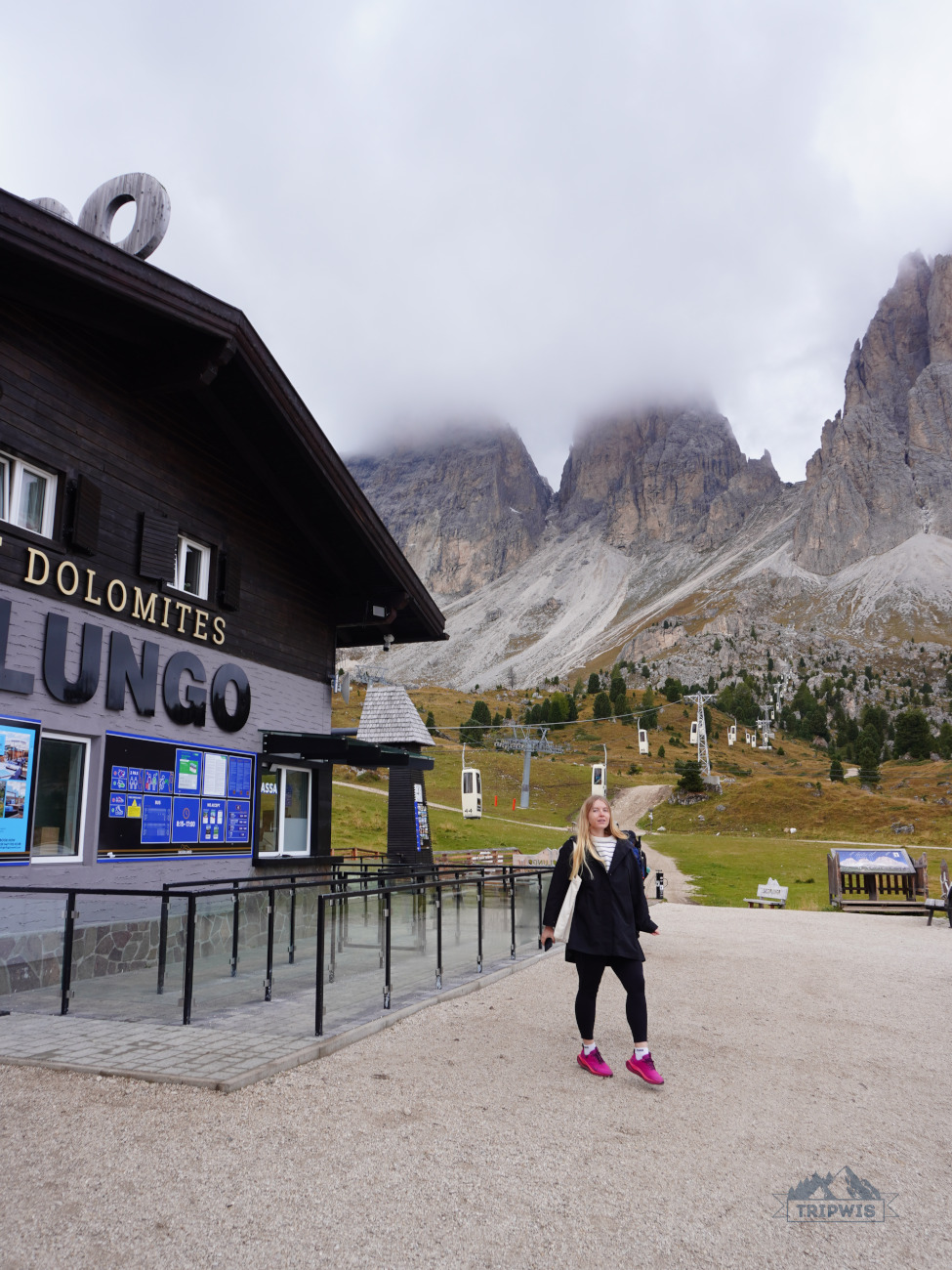 |
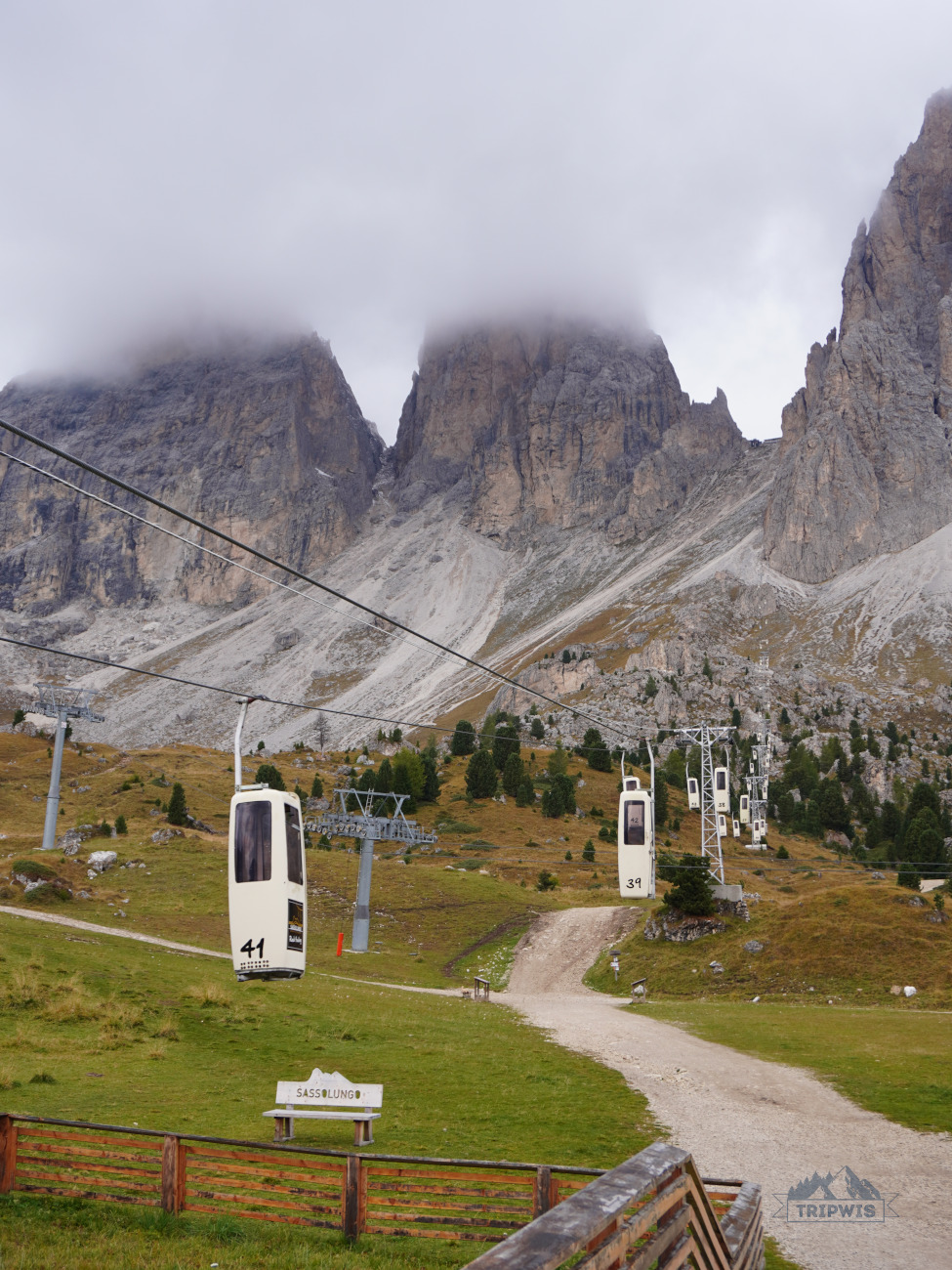
Cable cars and lifts are some of the most prominent infrastructures in the Dolomites. The added convenience comes at a price though – quite literally, since the costs for a round-trip ticket to some of the more popular destinations range around €50–€70 per person! Same as rifugios, cable car opening dates in the Dolomites are dependent on the weather and snow conditions.
In general, most major lifts in the Dolomites operate year-round. They have two seasons: Summer (late May to early November) and winter (early December to early April). In-between, cable cars close their operations for maintenance.
Just to give you a heads-up: Each gondola / cable car / lift operates on a slightly different schedule. We needed to look into just a handful of them for our Dolomites itinerary:
- Mont Sëuc cable car to Alpe di Siusi – from May 1st and to November 2nd; from December 5th to April 6th
- Col Raiser cable car to Seceda – from May 22nd to November 1st; from approximately December 5th to April 6th
- Seceda cableways (Ortisei–Furnes–Seceda) – from May 22nd to November 2nd; from early December to April 6th
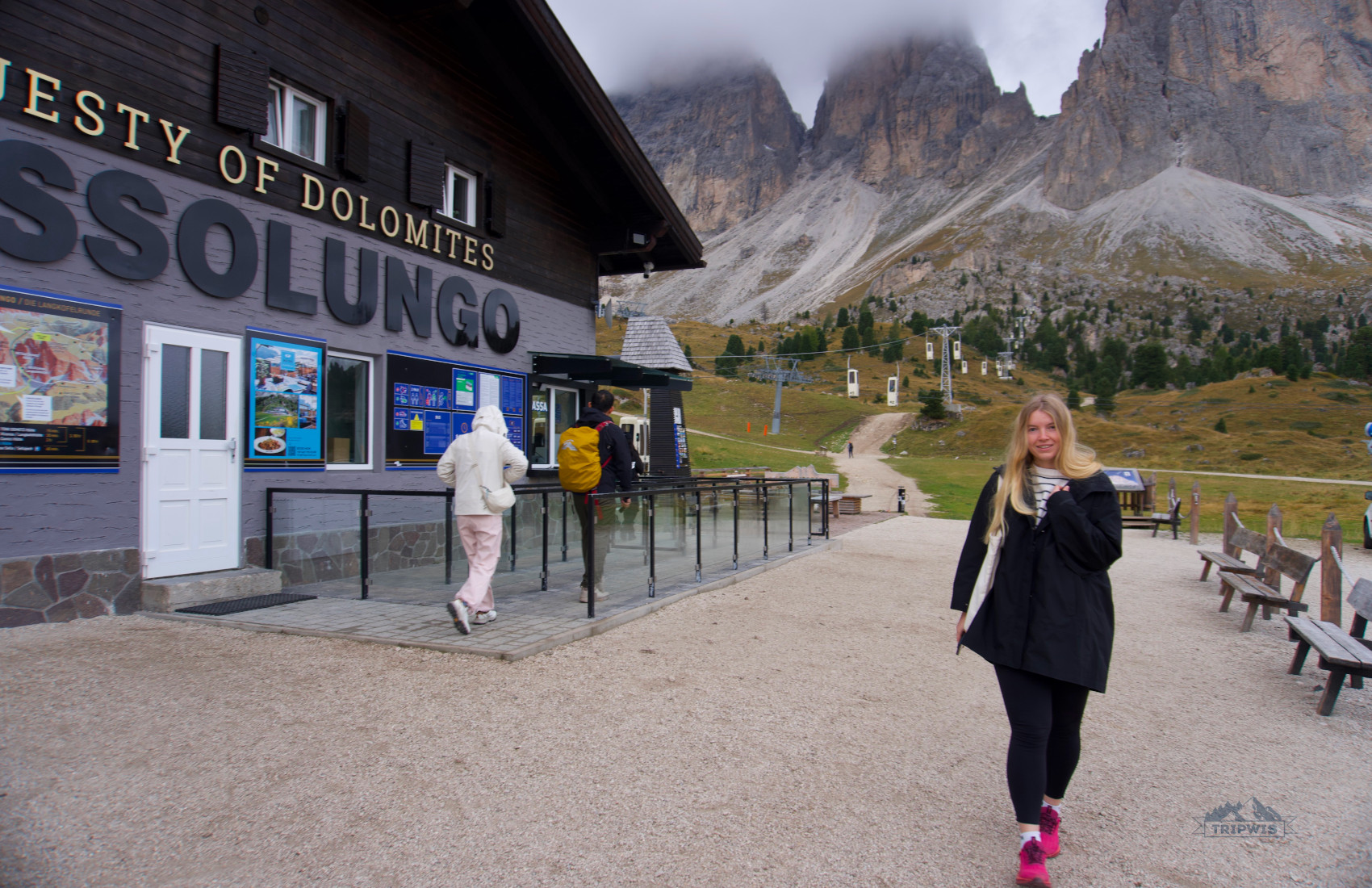
Side note: Smaller chairlifts may start their operations later and close earlier. Plus, not all lifts work in winter season. The iconic Forcella Sassolungo cable car, also known as the Coffin Lift, typically runs from mid-June to the end of September or early October (in 2025, it was set to close on October 12th and not reopen until next summer).
❗️Seasonal road and pass restrictions
 |
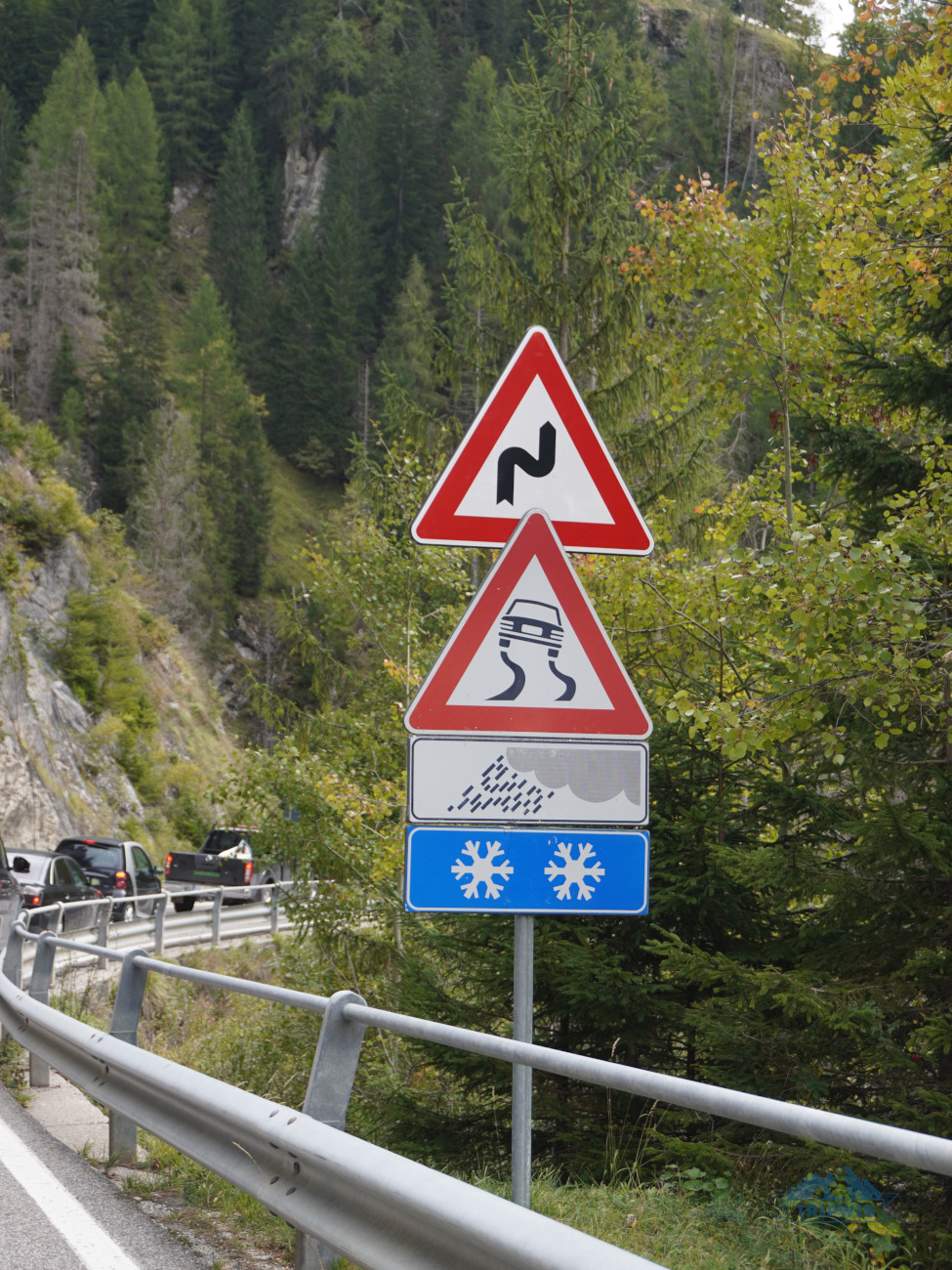 |
Both summer and winter periods in the Dolomites have particular road restrictions to keep in mind when planning your itinerary.
In winter season, road conditions play a major role in mountain pass closures – though the passes usually remain open in winter, they may close temporarily after heavy snowstorm due to avalanche risk. It’s hard to predict such closures.
High season means traffic restrictions to some areas (a desperate attempt to control overtourism in the area):
- Alpe di Siusi – the road to this high alpine plateau is closed to private traffic between the hours of 9 a.m. and 5 p.m.* during both summer and winter seasons. In the off-periods (April to mid-May and November to early December), the restriction is lifted.
*Unless you’re staying at one of the hotels on the plateau
- Tre Cime di Lavaredo – the toll road* to Rifugio Auronzo (as well as parking near the trailhead) is seasonal. It is completely closed in winter, usually from October to late May. Note that this is a high altitude destination, and snow plays a major role in the reopening of the road for summer season – there were years when the travelers couldn’t access the road until late June.
*Keep in mind that prior online booking is mandatory to access the toll road and parking. The fee for the reservation costs €40 for 12 hours per car.
- Lago di Braies – the road to the lake is closed for private cars between 9 a.m. and 4 p.m. unless you have made prior parking arrangements online. If you come before or after the stated period, then you’re free to go. For 2026 summer season, the restriction comes into effect on July 1st and is active until September 15th.
❗️Daylight and best time of day
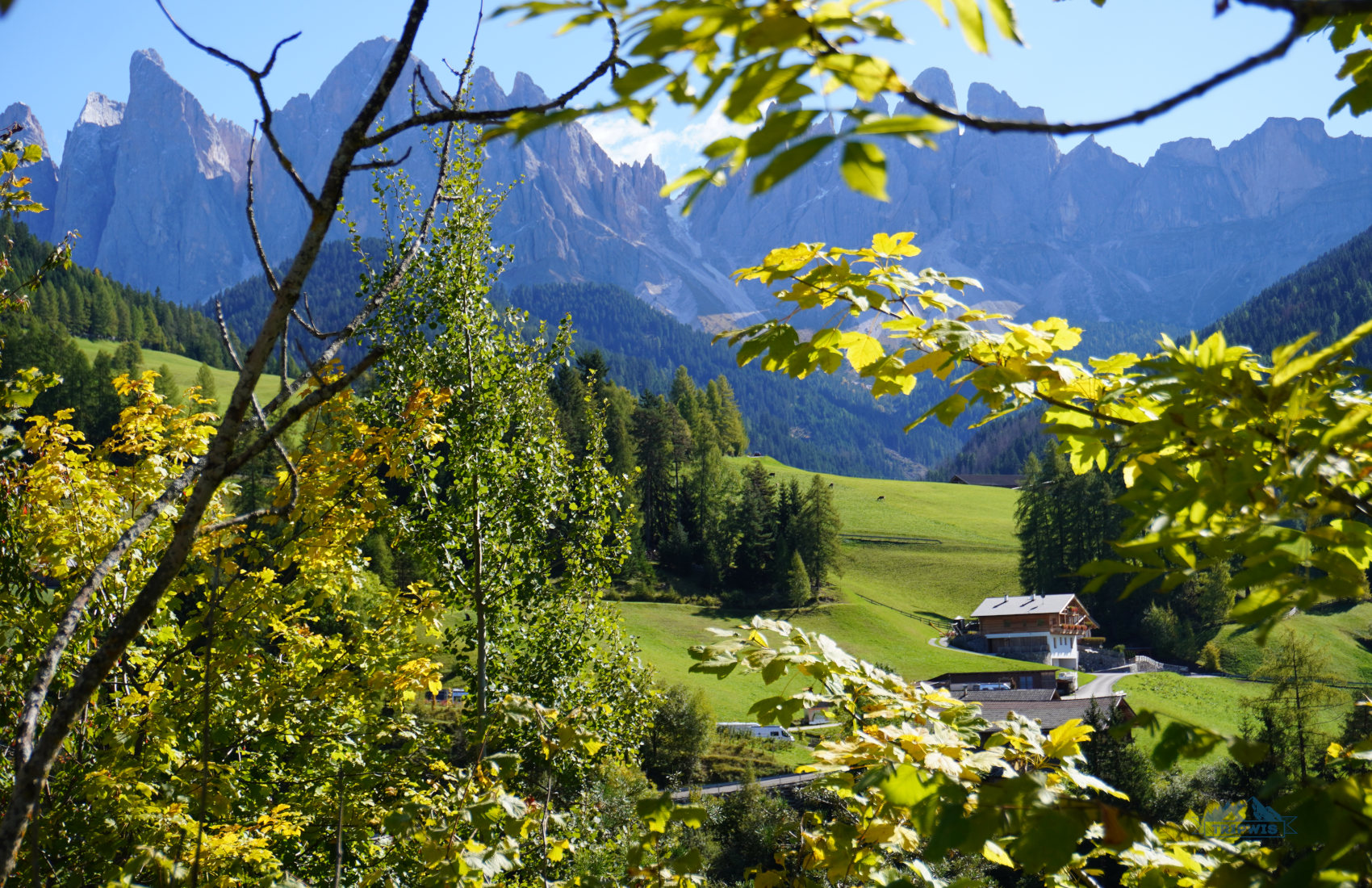
The best time to visit the most popular Dolomites areas is, without a doubt, early morning. No matter what season, it is still better to enjoy the stunning vistas without too many tourists elbowing each other at viewpoints. Plus, early starts mean lots of parking opportunities.
Alternatively, you can wait until later in the afternoon – the morning crowds will start to dissipate a little bit. Plus, some hikes are more suited for an afternoon adventure – Adolf Munkel trail is best enjoyed later in the day, when the sun is not directly behind the towering Odle Group mountains and you can finally take a great picture of them.
However, a later start means having to deal with the question of sunrise, sunset and daylight hours:
- You can enjoy the sight of the rising and setting sun on the trails only if your chosen mode of transportation is a car. Most cable cars and bus lines start operating too late for sunrise, and close too early to catch the sunset.
- Summer season leaves you with more room to explore the destinations (ample daylight is a gift that keeps on giving), while shoulder months carry a sense of having to really watch the hours hang over your head at all times.
❗️Gear needed
 |
 |
If you want to pack your suitcase with the Dolomites’ seasonal changes in mind, you might want to acquire the following items:
- For all seasons, layers are key. You have to have one moisture-wicking base layer, a warm and insulating layer (for our early October Tre Cime di Lavaredo outing, I would go so far as bringing a down jacket), and a waterproof layer (rain or snow might catch you by surprise during the hike)
- You should also have proper hiking boots or good sneakers
- For hut-to-hut hiking, a proper backpack and a sleeping bag liner (most rifugios require you to have it in order to sleep there) are a must
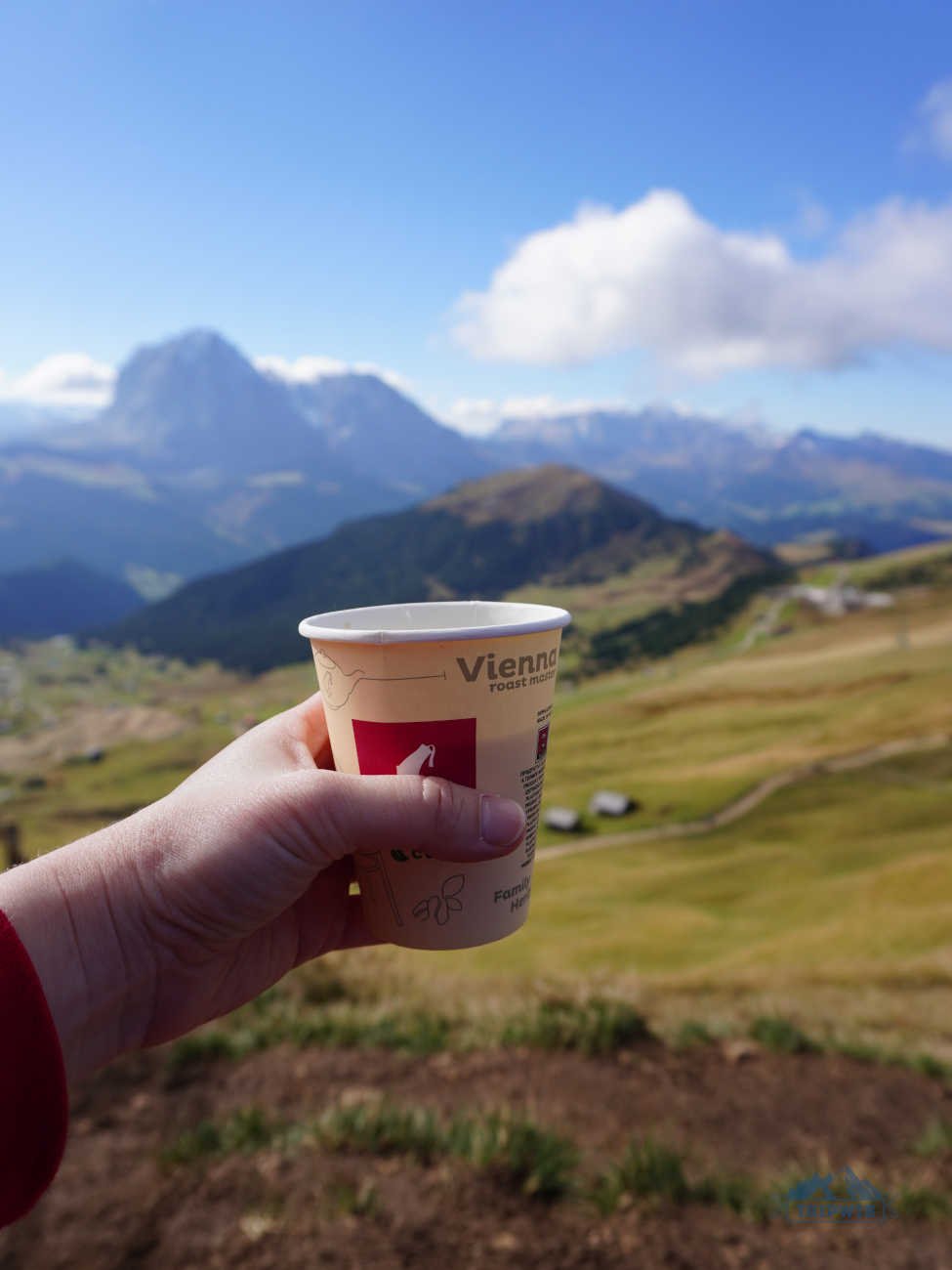
- For off-season hikes, pack a water bottle, maybe some drip coffee bags, a choice of snacks, and a few dehydrated / freeze-dried meals. The rifugios will most likely be closed, so you will have to figure out your provisions yourself
- For winter and shoulder season activities, bring a warm hat and gloves
- For summer months, sun protection is non-negotiable
- A headlamp and an offline map of the trail are the ultimate prepper items that will come in clutch in unpredictable situations
❗️Accommodation
 |
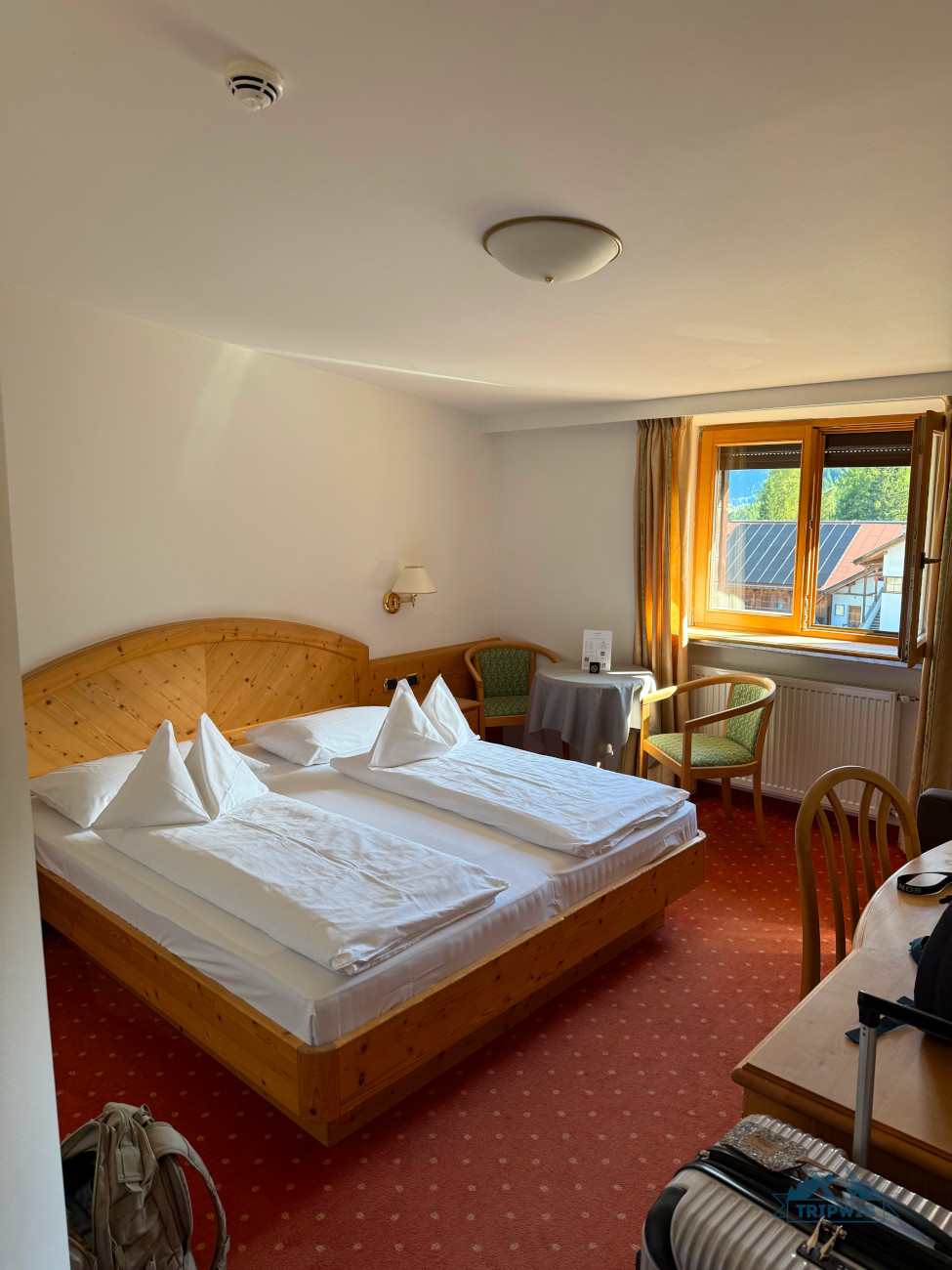 |
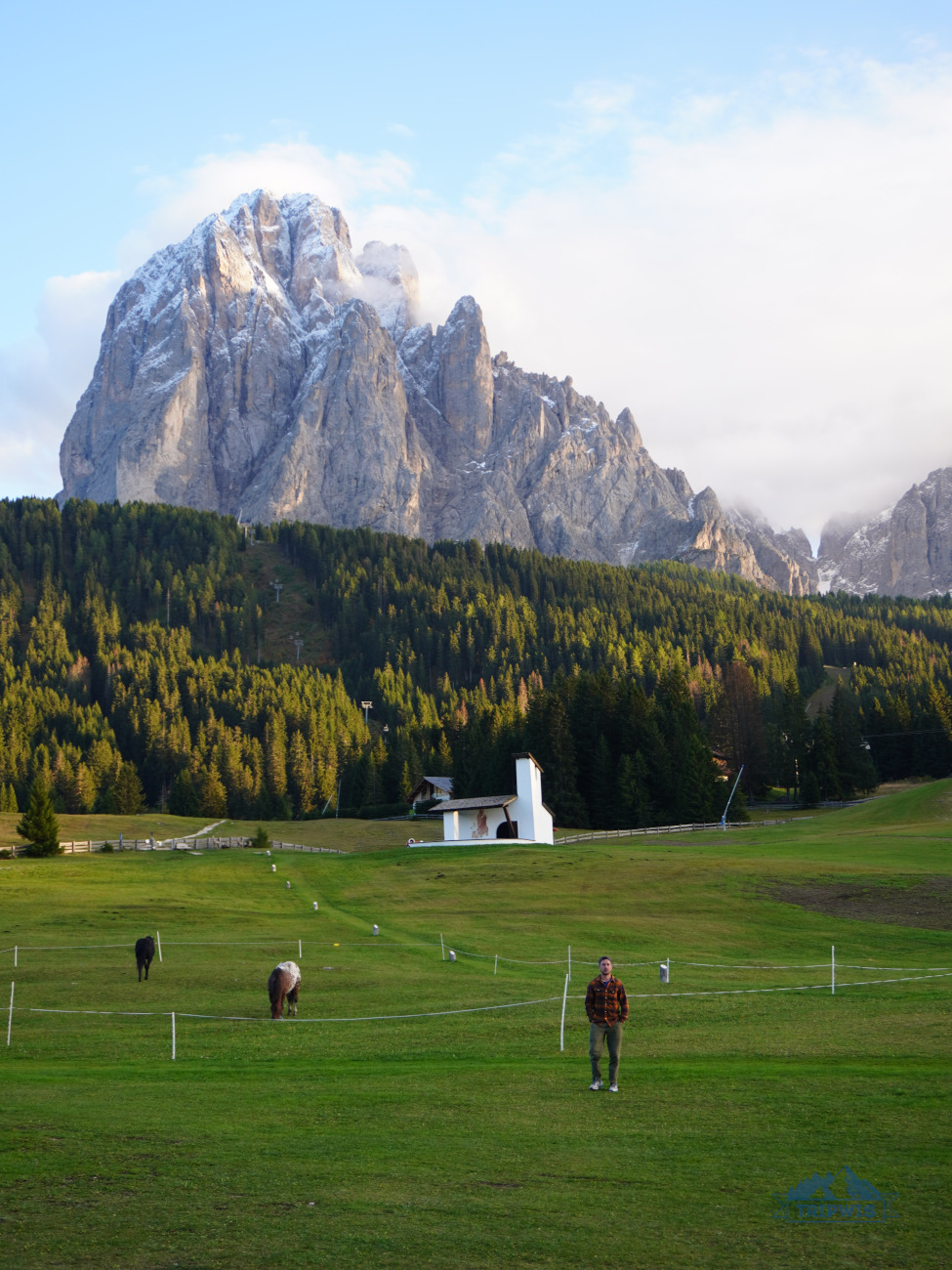
Since there is no one set best time to visit the Dolomites (each season has its pros and cons), the lodging options’ availability and prices also change throughout the year in the region. Your needs vary quite a bit as well – in summer, air conditioning is a non-negotiable requirement for accommodation, while cold winter months lead you to search for a hotel with heating and well-insulated rooms. Shoulder season stays are best spent in a place that has more than just bare minimum facilities: Should you get rained in, you will have something to fill your time with.
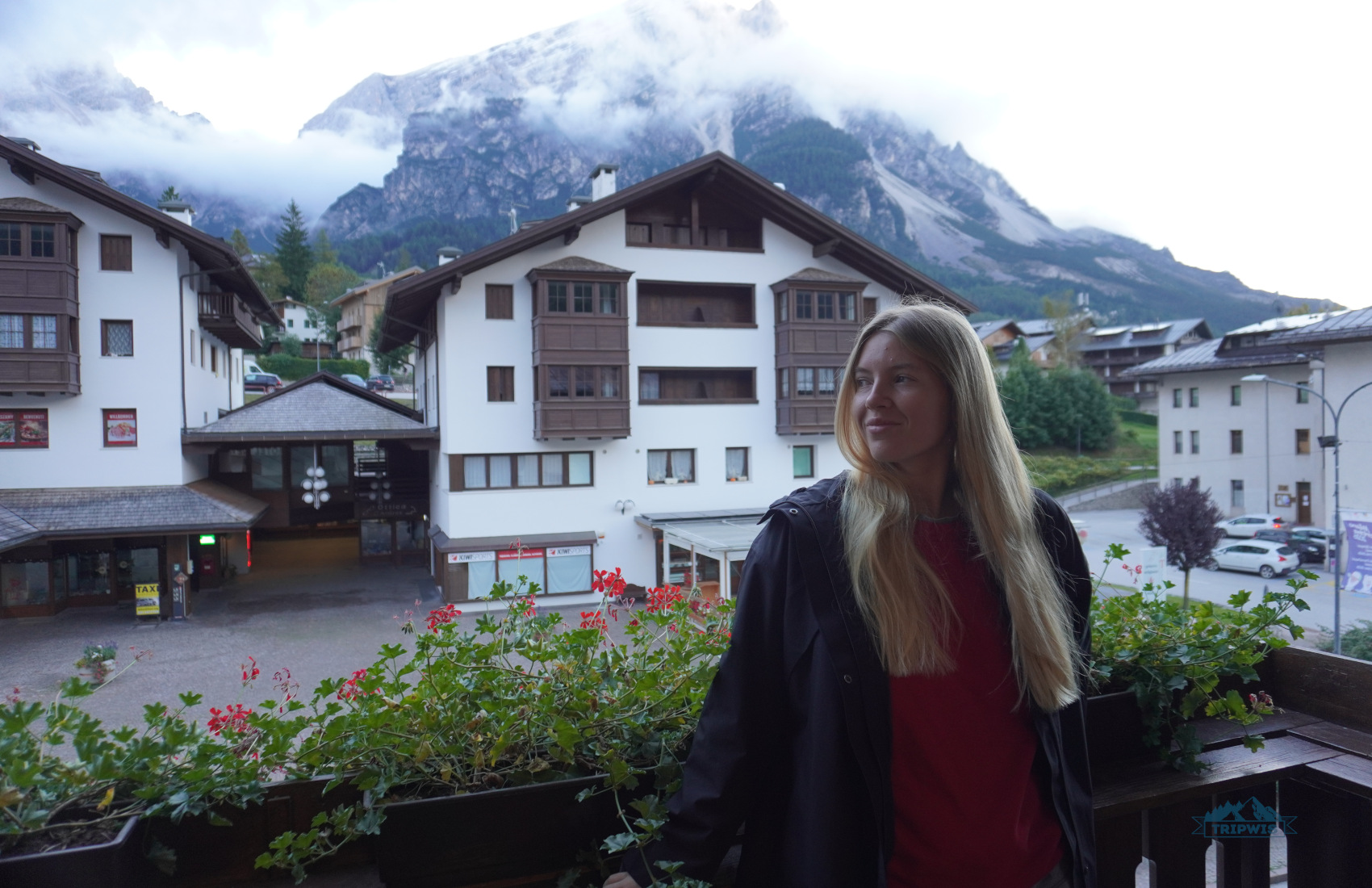
It’s an obvious statement, but peak summer (July and August) and winter (December through February) seasons in the Dolomites are when the hotels ask for the highest possible costs for accommodation. Shoulder seasons are more manageable, but still, don’t get your hopes up much – even the cheapest places will still have you spend at least €100 per night. One of the most beautiful mountain regions in the world is not a highly affordable destination, that’s for sure!
Hotel deals in the Dolomites >>
Best time to hike in the Dolomites
Hiking is the main activity here – the opportunity to explore the landscapes up close and personal is worth all the strain your muscles will be taking on. Thankfully, the Dolomites have a wide range of trails for all levels – from short and sweet panorama trails to 4-hour treks that require quite a bit of scrambling and climbing.
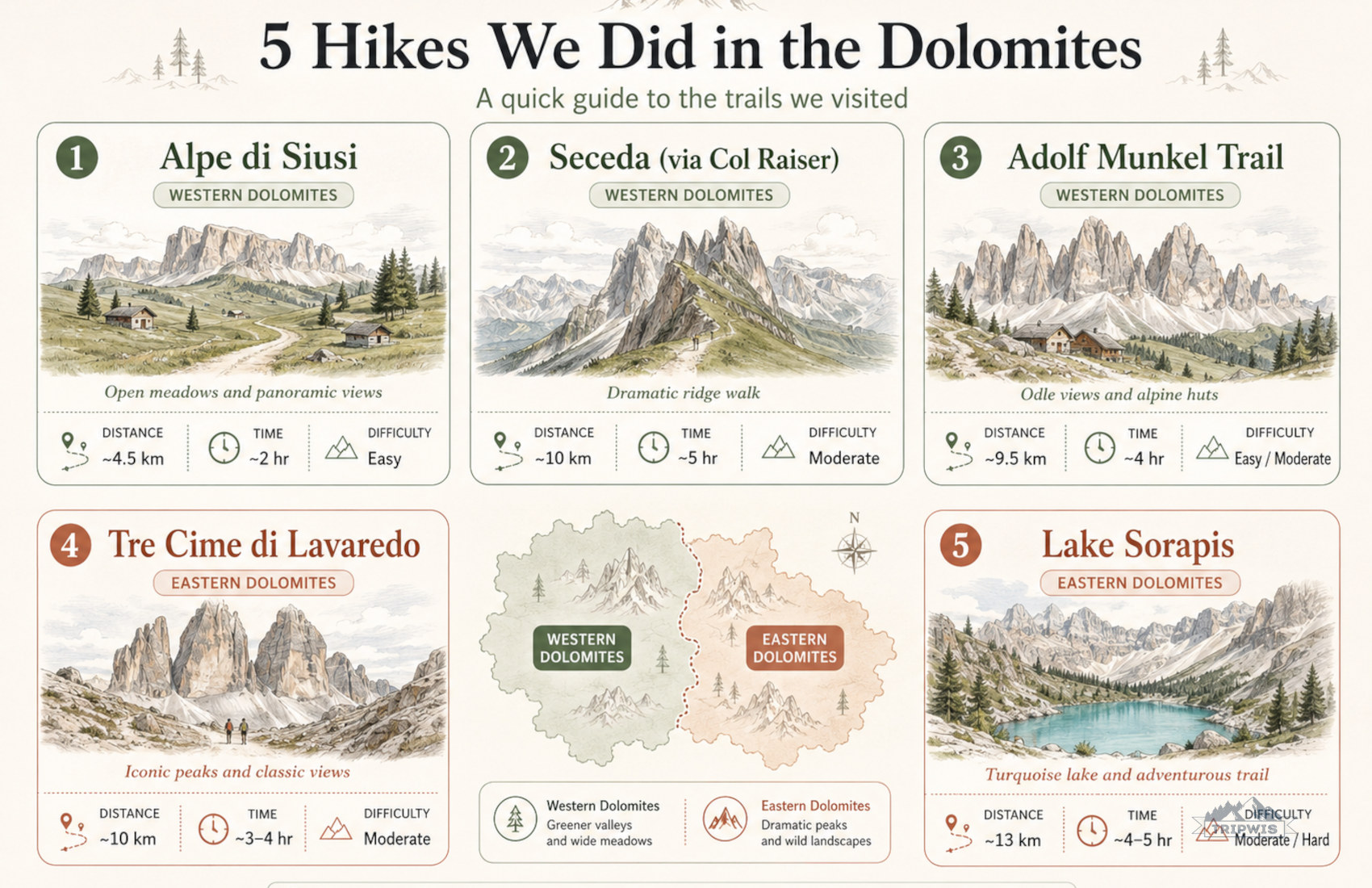
During our last adventure in the Dolomites, we have focused on five hikes. And while our itinerary included other iconic destinations, these five trails were the stars of the show:
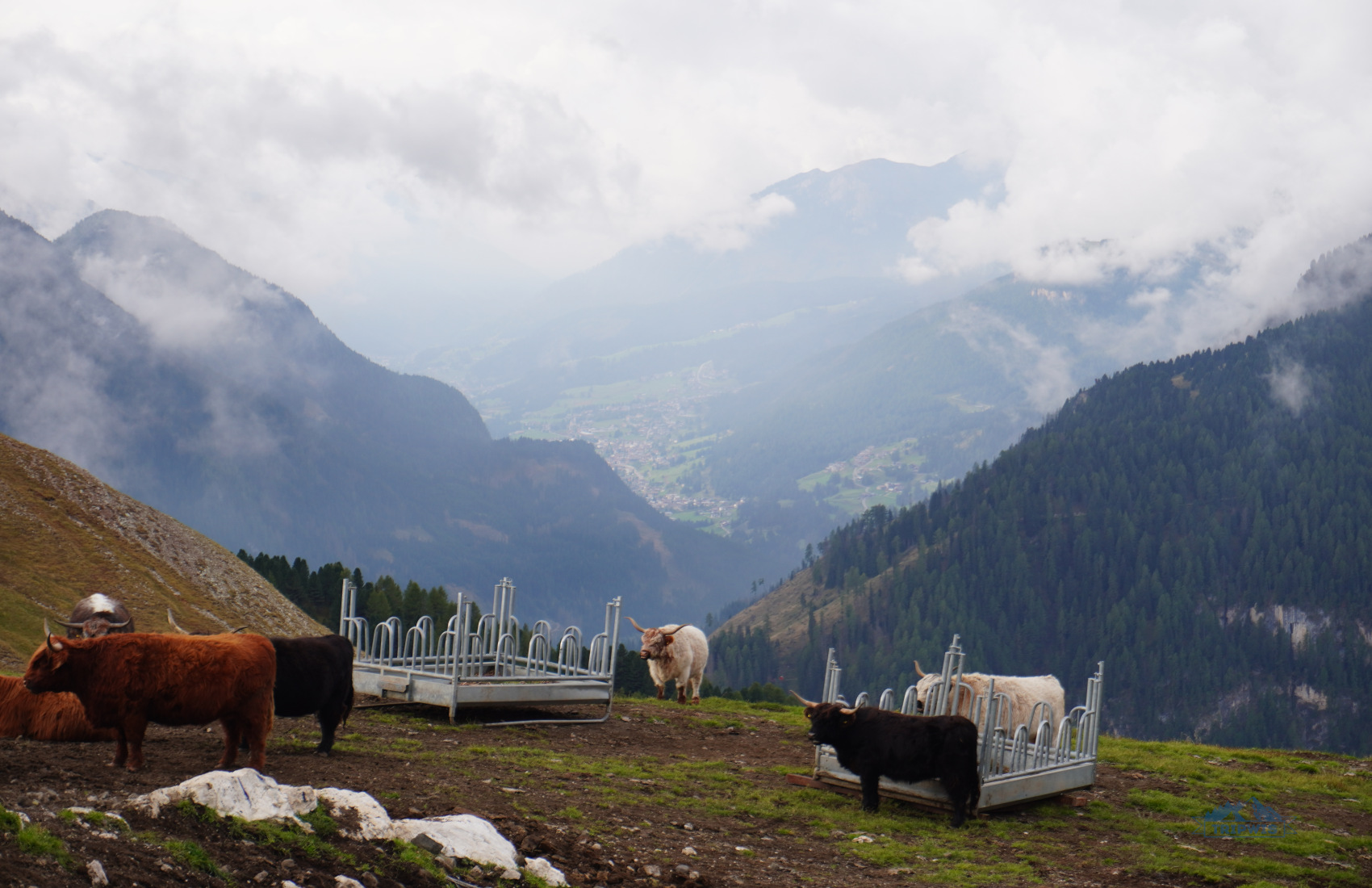
- Alpe di Siusi (snow-free from June through November) – it is the place where we were first introduced to the most classic Dolomites scene: A vast green meadow peppered with small huts and grazing cows that is ensconced on all sides by tall snow-dusted peaks. It’s a great initiation into the magical world of the region, with the trail easy enough to be undertaken by anyone.
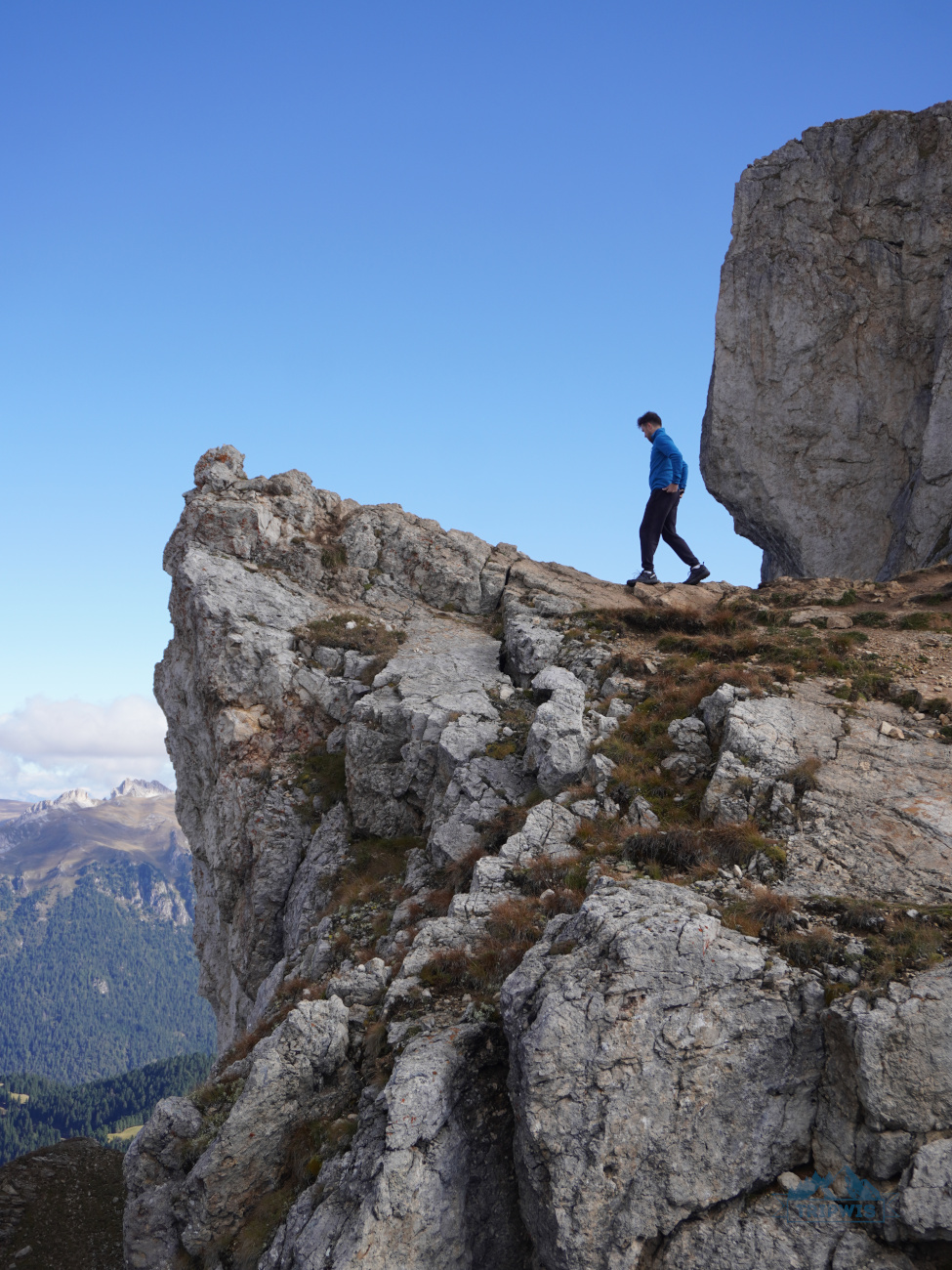
- Seceda (snow-free from June through November) – the most remarkable ridgeline in the region which can be accessed by a combination of either a cable car ride and (almost) no hiking OR a (cheaper) cable car ride and quite a bit of hiking over otherworldly terrain. We picked the second option and didn’t regret it even for a second – traversing the boulder-strewn valley interspersed with grazing pastures as Seceda looms above is the experience one never forgets!
- Lake Sorapis (snow-free from May through mid-October) – the hardest trek of the bunch; it’s a 12-kilometer out and back trail that takes you along narrow ledges and scree fields. You have to really put in the effort for this one, but the pay-off is worth every bruise and scratch – the milky blue lake resides beneath a towering gray mountain wall and is fed water from the glacier.
- Tre Cime di Lavaredo (snow-free from mid-June through mid-October) – crazy high price for parking and toll road access, as well as less-than-comfortable weather conditions led me to proclaim the 10-kilometer loop trail as the most overrated hike in the Dolomites. The stunning panorama of the Three Peaks is, without a doubt, a spectacular sight, but is it worth €40? I don’t think so.
- Adolf Munkel (snow-free from mid-April through November) – an easy-to-moderate hike that is so varied in scenery it can count as a couple of outings: Lush forest, vast valley, a postcard-worthy view of the legendary Odle Group peaks, and rifugios to write home about – this is the trail that has it all!
 |
 |
If you want more intel on the hikes – the best ways to reach the trailheads, cable car operating hours, prices, the step-by-step trail breakdown, and other tips and tricks – make sure to check out my articles on each separate outing I have linked above. Crave a higher degree of visual immersion that pictures and descriptions cannot provide? I have captured all of our Dolomites hiking adventures on video, uploading each to our YouTube channel.
When it comes to the best time to visit the Dolomites for hiking, high summer season that runs from late June to early October seems to be the period to recommend. However, not every month here carries the same weight in the matter, with some periods being more conclusive with a fine hiking experience.
Our experience of visiting the Dolomites in late September–early October
Before our last trip to the mountainous region, I did plenty of research into the Dolomites’ seasons. And though I knew that summer months offered more of the authentic experiences and nature scenes, I settled on coming here in late September–early October. We were hoping for fewer crowds, easier parking, and an overall calmer and gentler experience in the mountains. The chosen period definitely had some risks – infrastructure closures and weather being the most important two.
Weather.
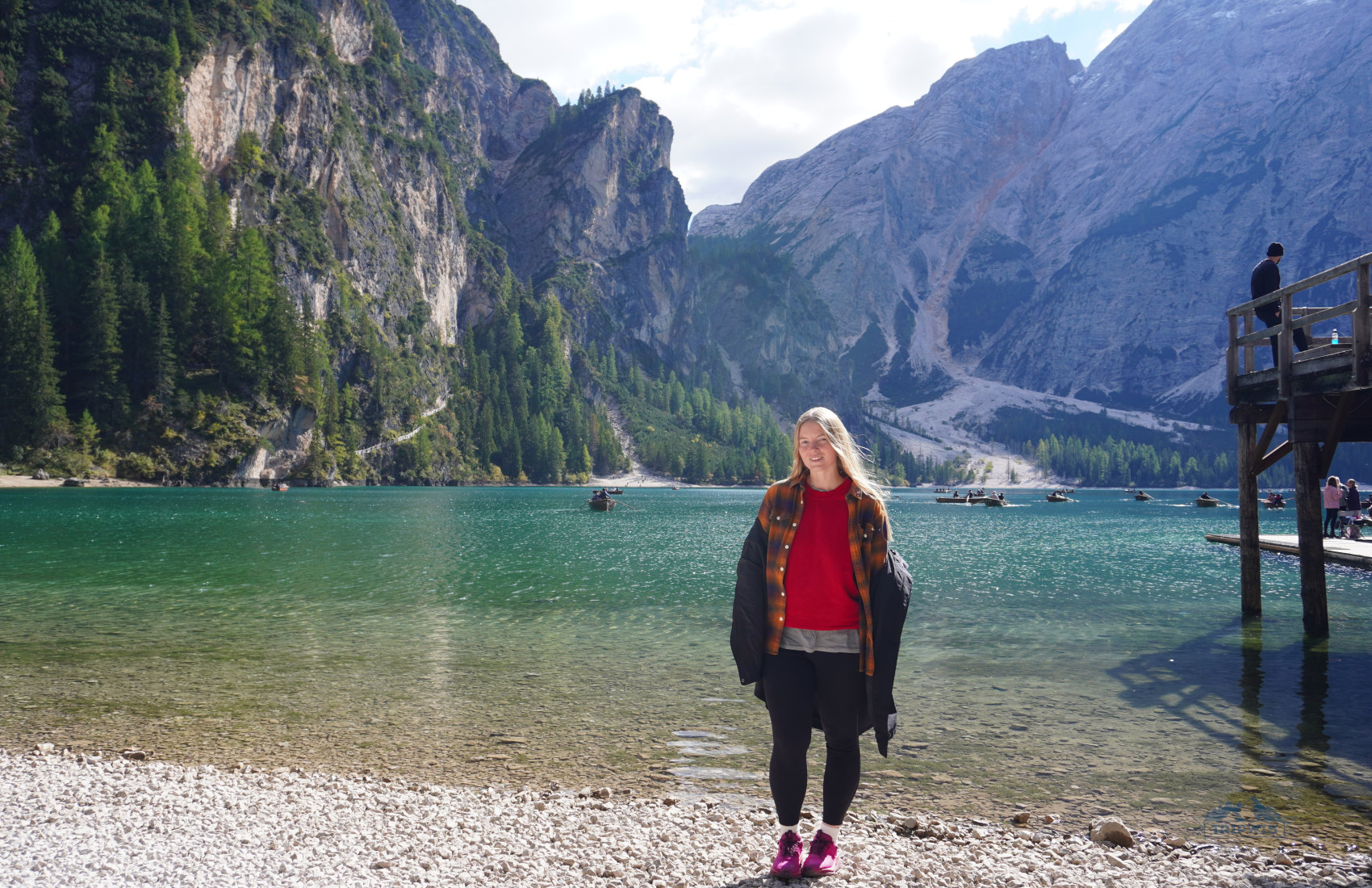
Over five days we’ve had here (a sweet spot when choosing how many days you need in the Dolomites, by the way), we got a full range of temperatures: From cold mornings with ice gathering on car windows to midday +18°C (64.4°F) in the sun, and then back to zero degrees with light snowfall in late afternoons.
Different trails offered different conditions: We first thought that the +10°C (50°F) Alpe di Siusi adventures were chilly (we had to warm up a bit at a rifugio), but that was before setting off on the Tre Cime di Lavaredo hike – crazy wind and snow made us turn back after just a quarter of a way in!
The visibility was great on most of our hikes, and even though the forecast promised rain for two days in a row, it thankfully cleared up. If you’re traveling in shoulder season, you have to be a weather optimist and take your chances hour by hour – things change fast in the Dolomites!
Personally, what we hated most was the way the weather reflected on the hikes – despite the lower temps, you still get hot as you’re moving, leading you to work up a sweat and start absolutely freezing as soon as you stop.
Rifugios closures.
 |
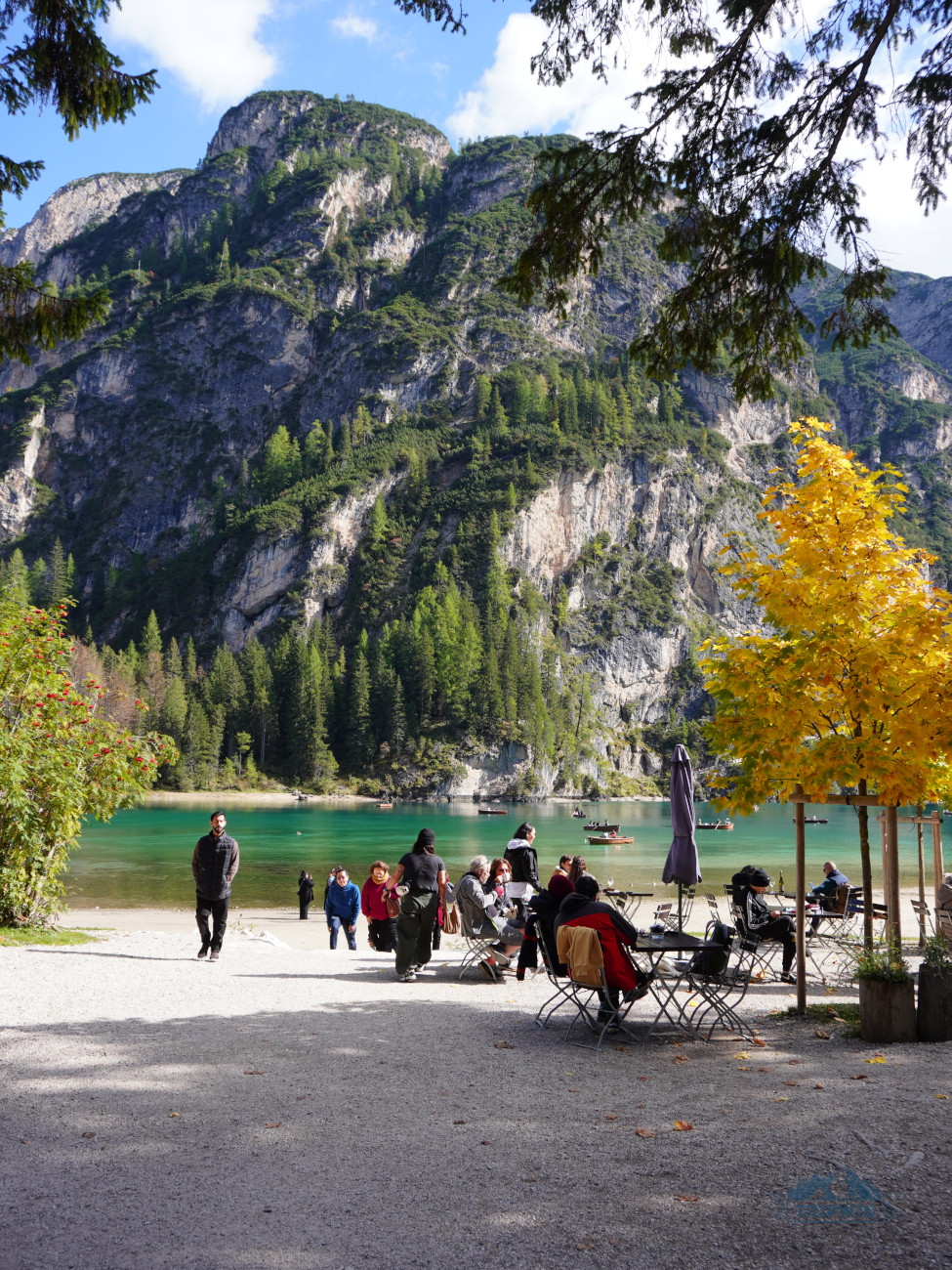 |
What surprised me most is the lack of a heads-up on the huts’ websites, socials, or even their Google Maps page. We’re still bummed about missing the window to try the bomboloni (which are custard-filled donuts) at Rifugio Friedrich August (it was October 1st and the hut was already closed).
By the beginning of October, the rifugio at Lake Sorapis was already closed, as well as all the huts around Tre Cime di Lavaredo (except for the very first one, Rifugio Auronzo). My advice? Pack enough water and food to last you the entire hike, since you cannot rely on rifugios anymore.
Roads, passes, parking.
In late September and early October, the snow tires are not yet needed and all the roads and passes are fully open (there is not enough snow that warrants closures). The restrictions that are still in place carry on from high summer season: You still cannot drive to Alpe di Siusi between 9 a.m. and 5 p.m. and you must book the parking space and toll road access to Tre Cime di Lavaredo for €40 per car (no discounts, no nothing).
Crowds.
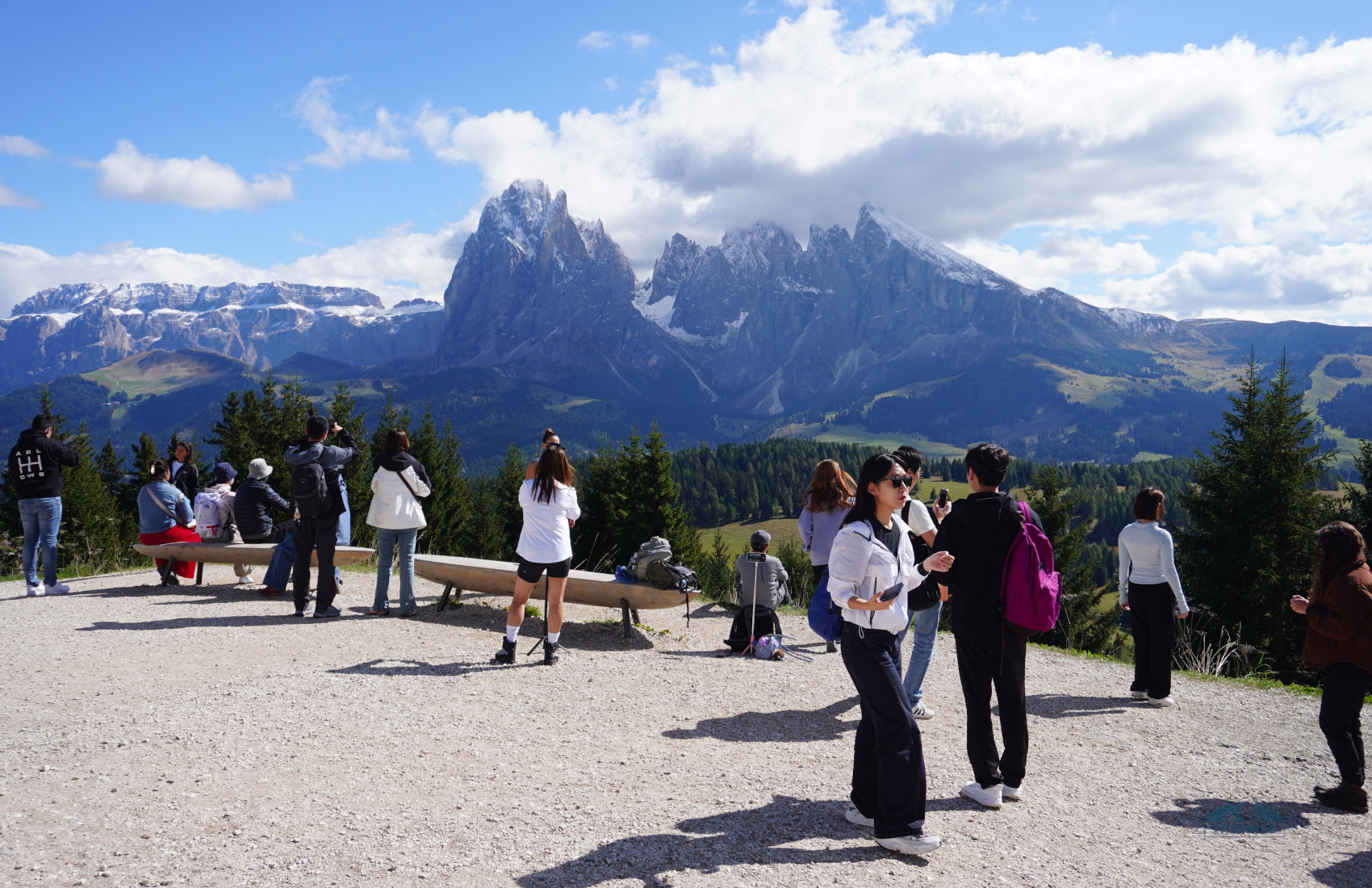
Are the Dolomites packed in fall? There are plenty of tourists still, but not too many. You don’t have to fight for parking (granted you still come in the morning) and you can usually book a hotel even a day in advance. We actually forgot to book one night in the Dolomites and had no problem finding a place to stay the same day. I can’t imagine doing this in high season! Some high-trafficked spots, like Seceda and Tre Cime di Lavaredo, will still be busy even in October, but most trails finally feel tranquil and sparse.
Costs.
Though they say that the off-season in the Dolomites is cheaper, I found that it is only shown in hotel and car rental prices. Everything else is still pretty expensive!
To sum up, I wouldn’t hesitate to visit the Dolomites in the fall again – we really enjoyed it!
When to visit the Dolomites for the best scenery
 |
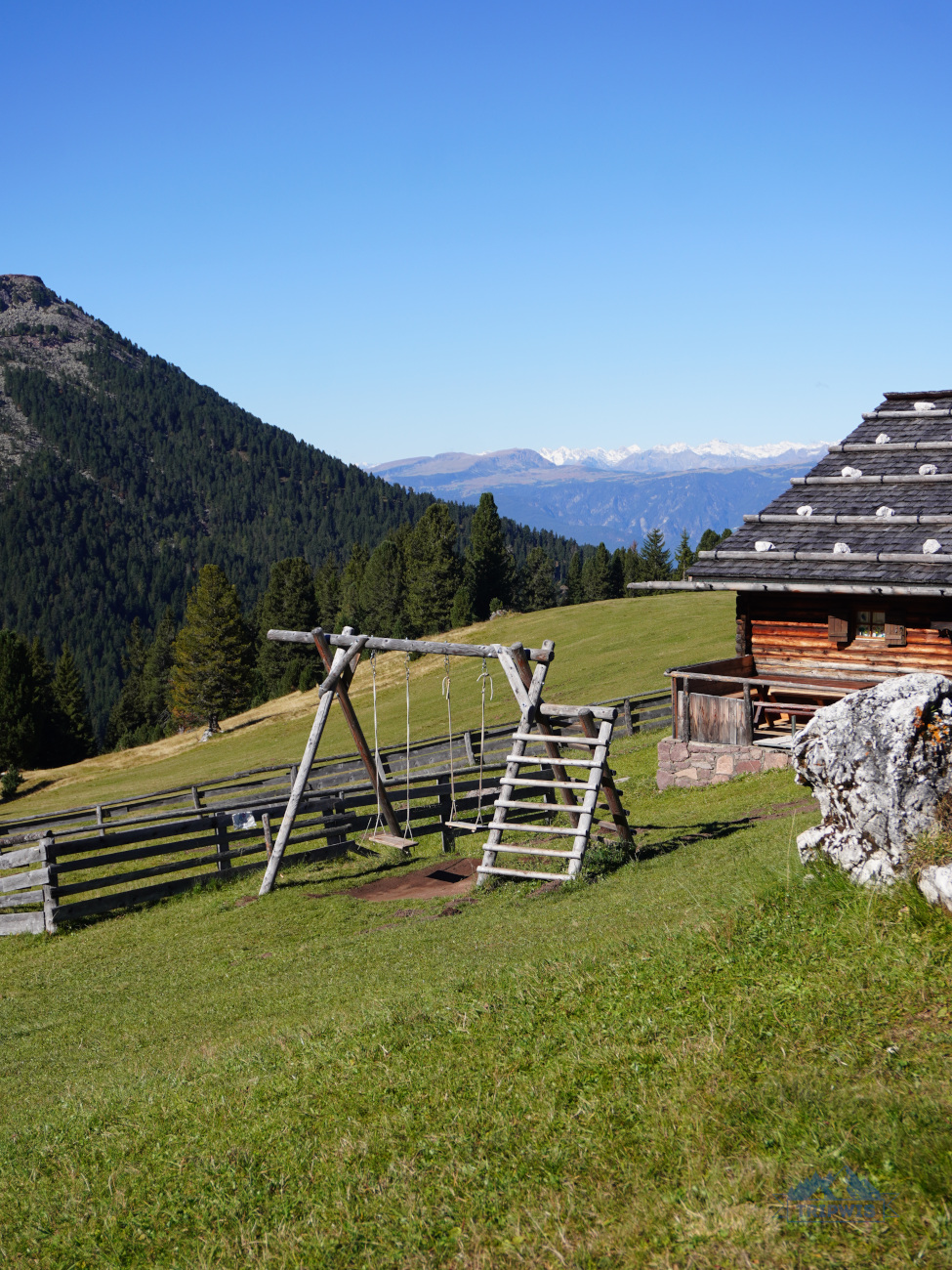 |
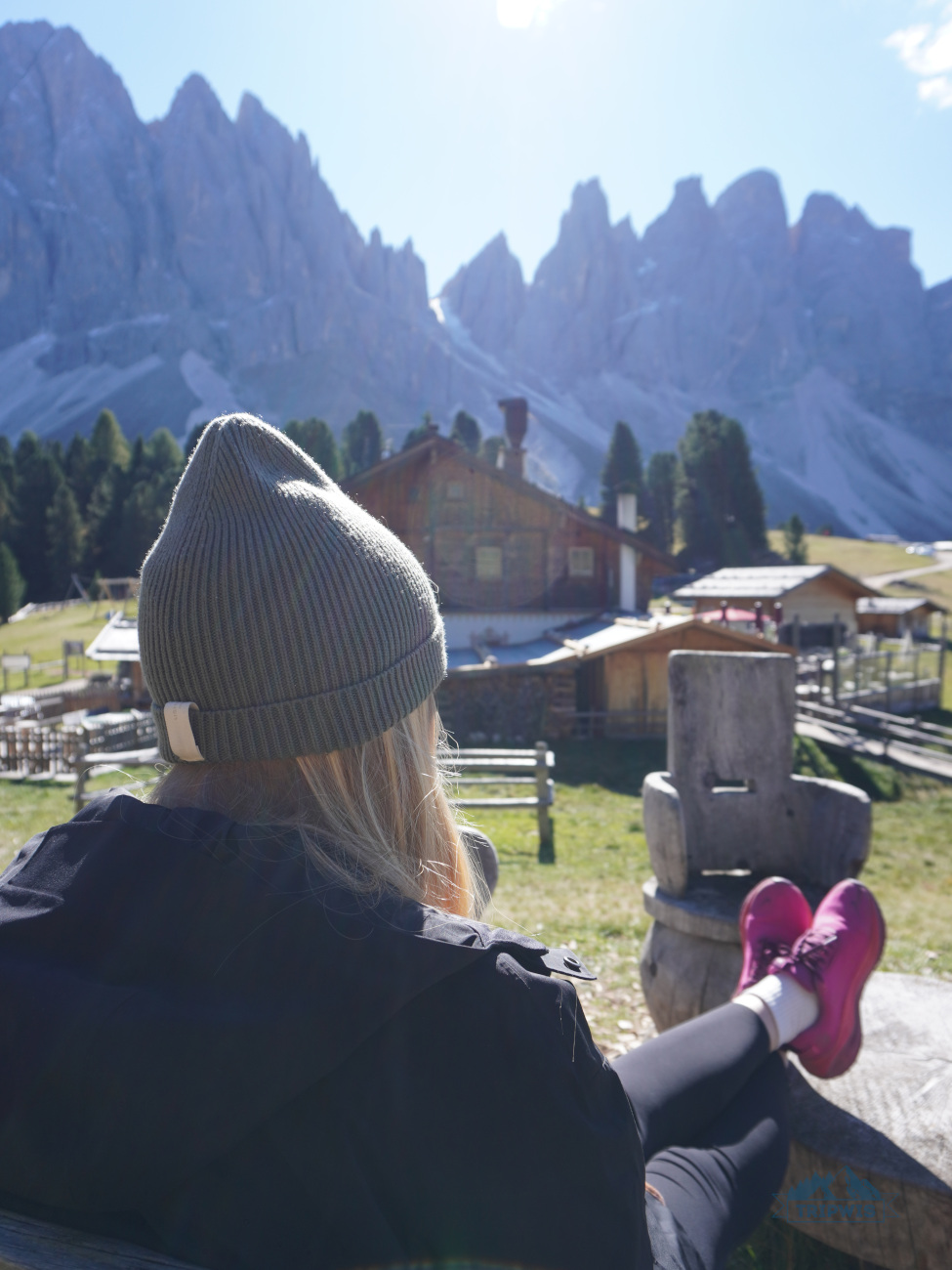
Let’s be real for a second: In our times, an excellent trip is nothing if you don’t have some great pictures to post. Thankfully, in the Dolomites, you don’t have to work hard to capture mind-blowing scenery – the panoramas have that jaw-dropping effect at every angle. However, if you’re after a particular “look” or “feel”, then you need to plan your trip for certain periods.
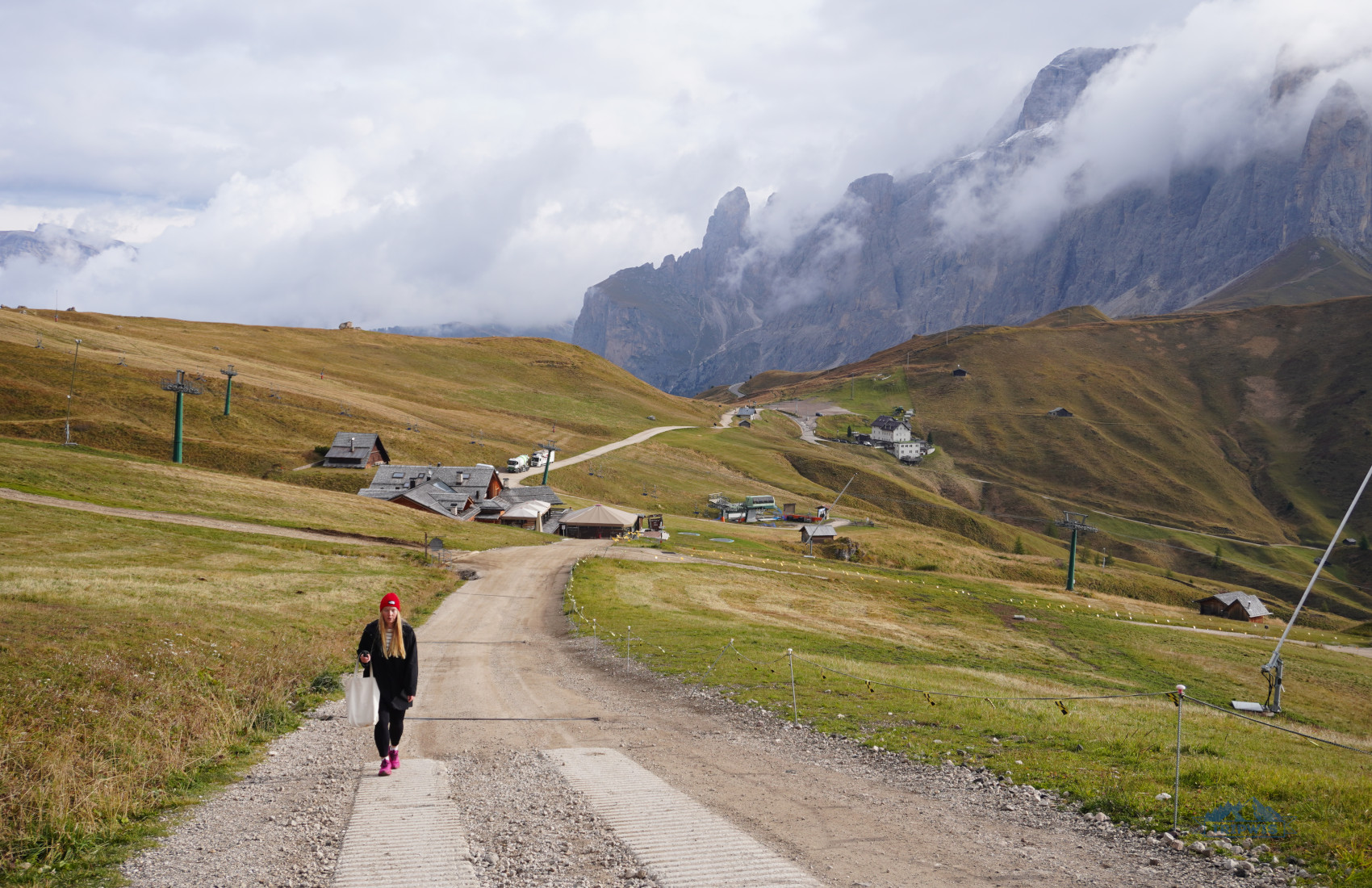
The best time for photography in the Dolomites highly depends on what it is you’re after:
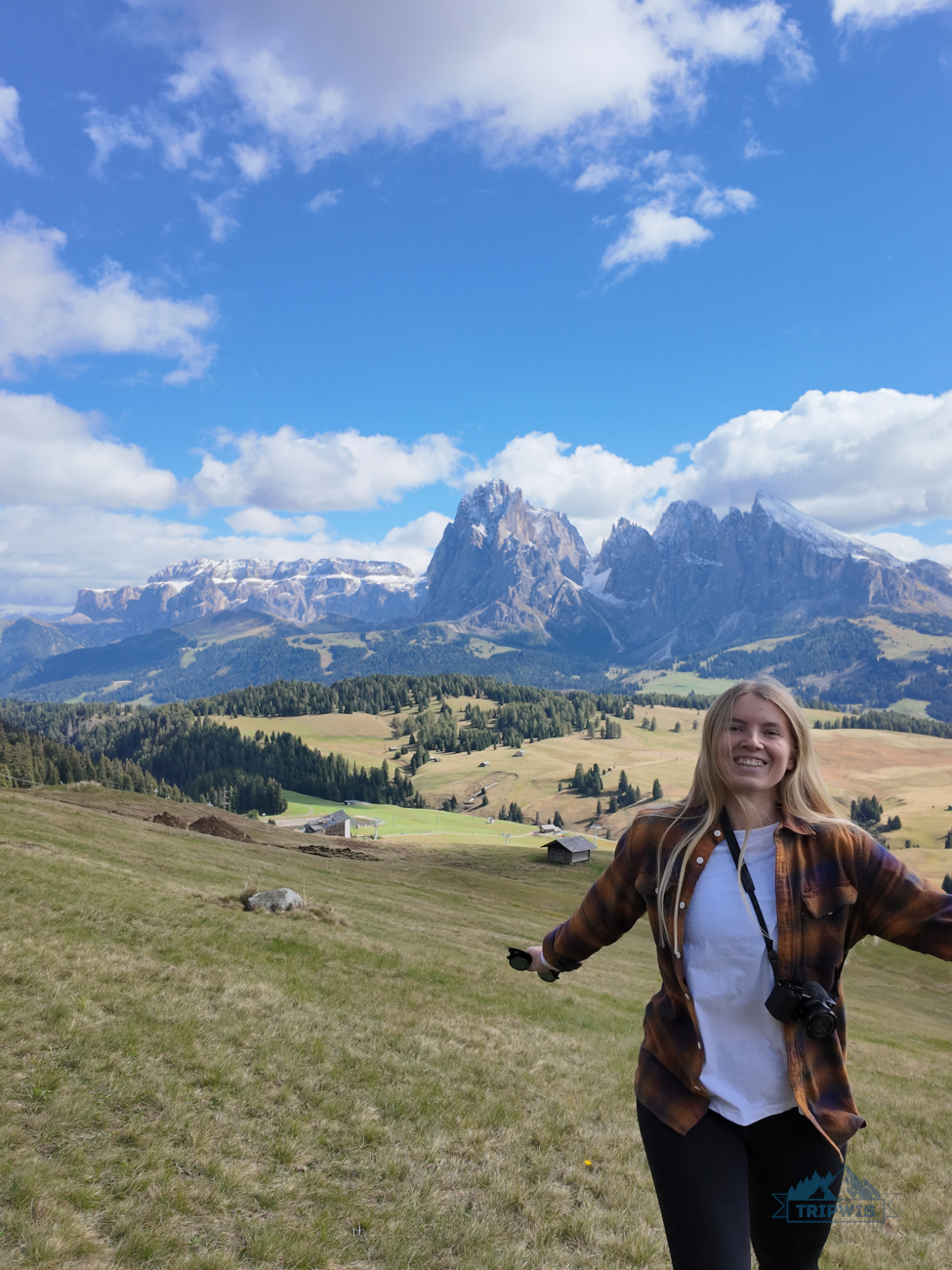
- Green valleys blanketed with wildflowers – late June to early August. Sprinkle in the grazing animals and picturesque huts, and it’s a postcard-worthy sight!
- Fall foliage – mid- to late October is the best time for autumn colors. Bright yellow larch trees and rust-colored grass patches create a magical atmosphere that doesn’t need much editing to feel professional.
- Blindingly white snow covering peaks and valleys – late December to March. It’s a Winter Wonderland out here, but the period has a few limiting traits: Some trails and roads are closed; and the ones that are open can only be undertaken in snowshoes and other special gear.
- Misty mornings and golden light – September to early October. In my opinion, it is the most beautiful scenery in the Dolomites. Even if you get “unlucky” and the clouds roll in one afternoon, the scenes will still appear otherworldly and whimsical – maybe even more so!
When NOT to visit the Dolomites
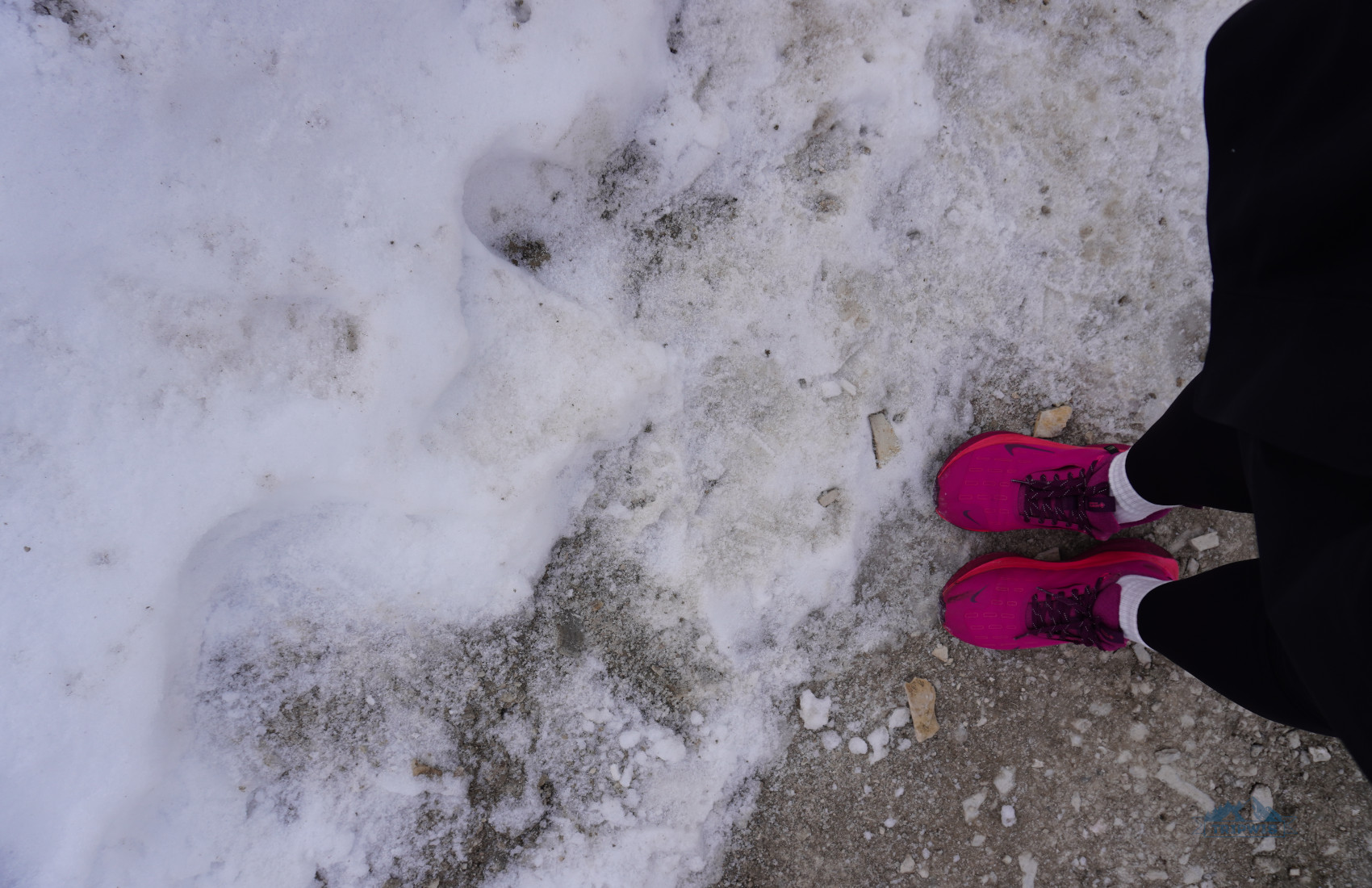
The obvious follow up question to the best time to visit the region is “When to avoid the Dolomites altogether”. There are quite a few periods that will make you regret traveling all the way to the Dolomites:
- Why is November the hardest month to plan your vacation for in the region?
The weather’s bad, everything is closed, you cannot hike safely, or really partake in any other activity (the skiing hasn’t started yet). Even bigger cities become ghost towns, leaving you to wander the streets like Hagar in the desert, with nothing to entertain yourself with.
- Is April or May a good time to visit the Dolomites?
Truthfully, both months can disappoint – just like November, this is the true off-season, with limited services and facilities and lack of activities. Some years, you can still get in some skiing in early April, and might even try your hand at hiking some lower valley trails in late May, but these are more of the exceptions to the rules and not guaranteed facts.
- Why late October can be beautiful but risky?
October offers some of the most gorgeous color palette in the Dolomites. However, October is not as clear cut a month to plan your trip for as any summer period in the region – the limited infrastructure and colder (generally more unstable) weather make it a tricky endeavor. The amber color of the trees is guaranteed in the second part of October, but what you’re also gambling on is early snowfall, gloomy and overcast days, and winds.
 |
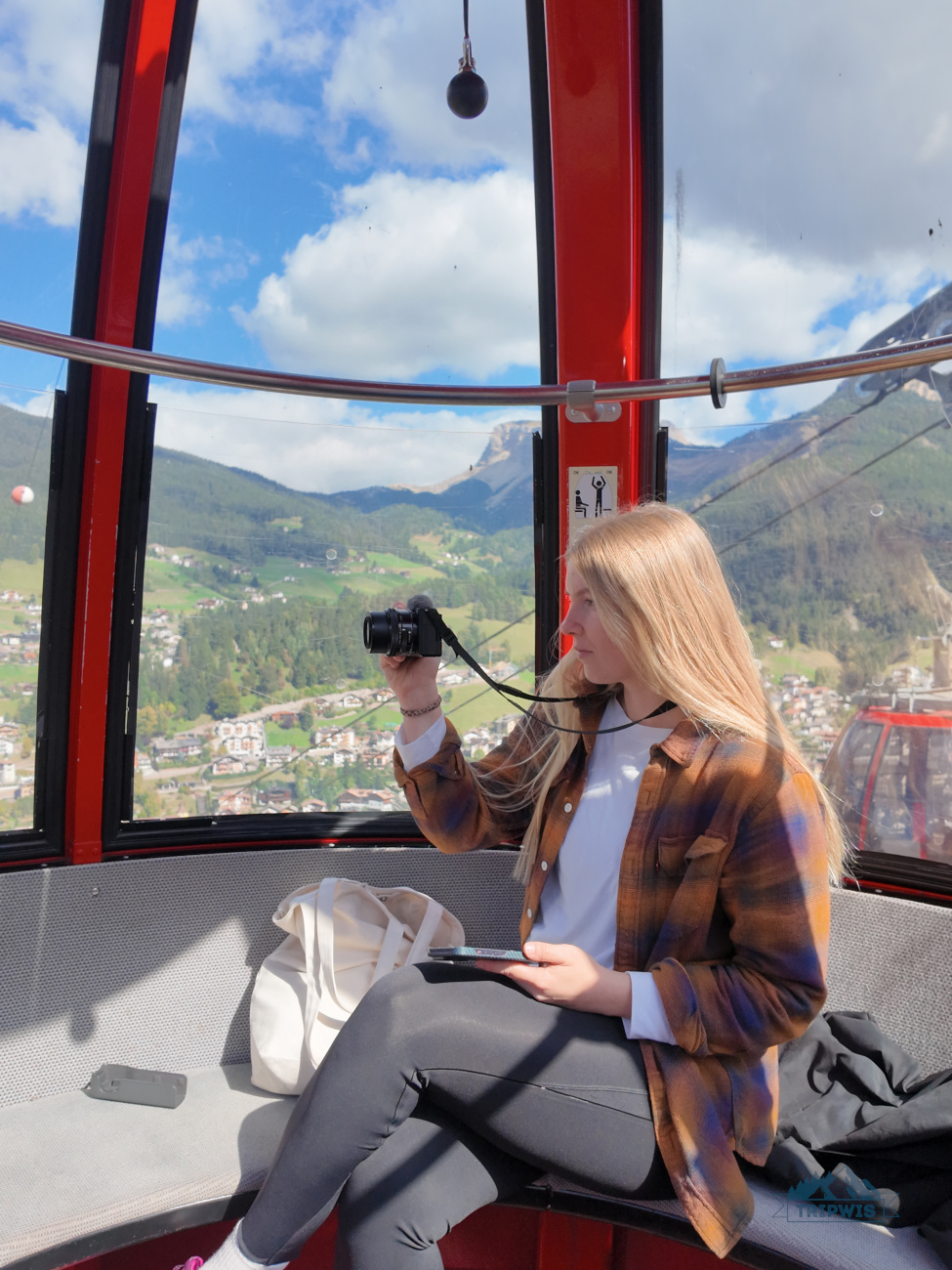 |
All in all, just keep in mind that the Dolomites are much more definitive in their seasons breakdowns. You could potentially get away with arriving in the off-season to some other destination and have an okay time, but not here – the main point of the region is nature.
The effect of environment’s traits on your experience is what most first-time visitors often underestimate. They think that if the temperature is already comfortable in June, then they will be hiking all the legendary trails during their holiday. Wrong! The nature takes it time to wake up after winter hibernation, with high altitude trails still having significant snow and ice cover. You need to roll with the weather’s punches – thankfully, a period when the Dolomites are in their full summer (and winter) glory is significant, leaving you cross out just a couple of months from your potential PTO time.
And there you have it! I hope that my guide will be helpful for planning your first Dolomites adventure. If you have any further questions, feel free to leave them in the comments section down below.