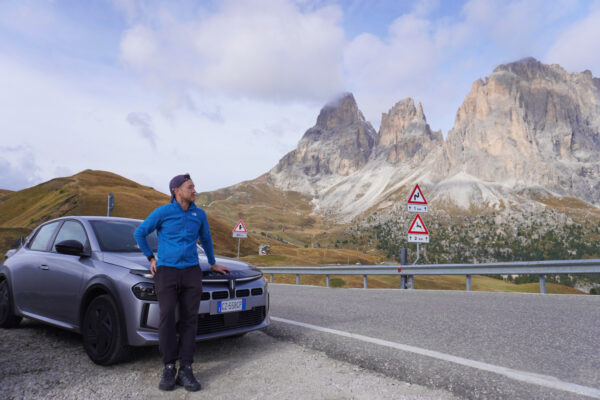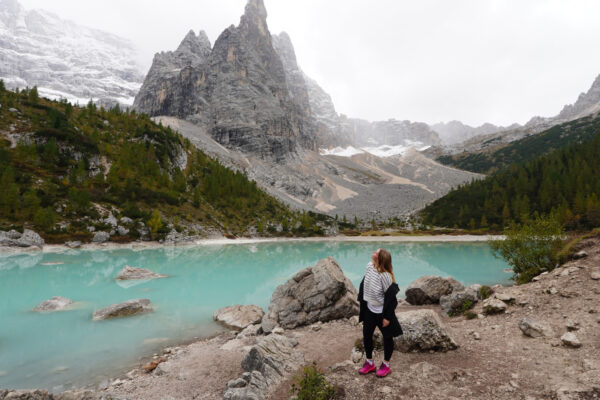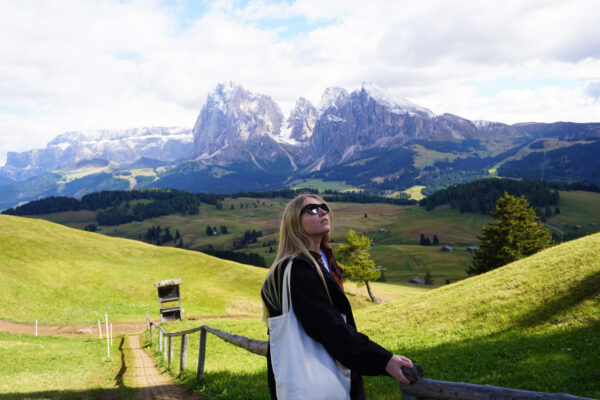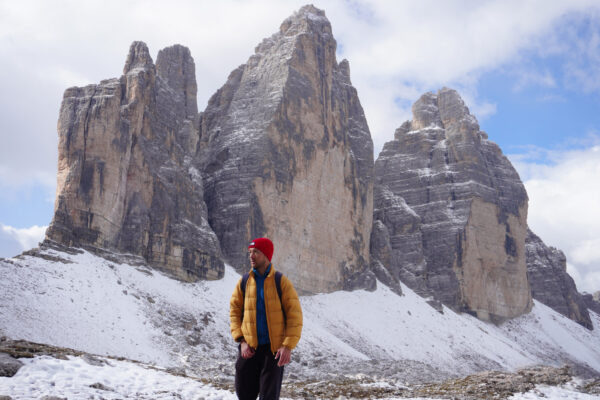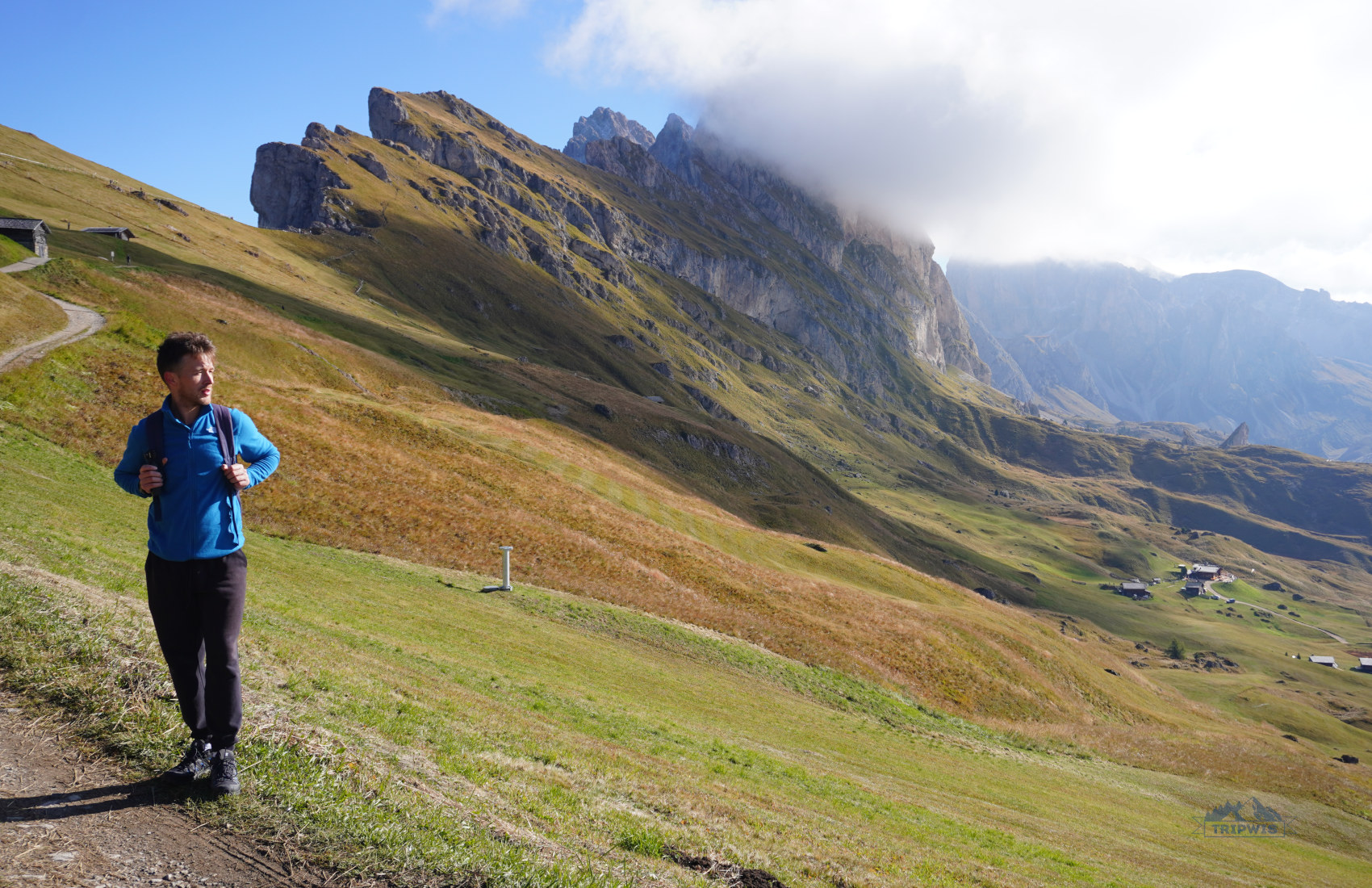
I’d give Seceda the title of the most popular mountain in the entire Dolomites region. Even in early October, there were lines to snap a picture of its iconic ridges.
Personally, we made a big deal of visiting Seceda in the most holistic way possible — hiking mainly away from crowds, closer to nature of this stunning reserve. After all, Seceda deserves it: Here, the lines of dramatic peaks peel away to even more peaks — their sharp edges thrust skyward — and mountain huts sit languidly in the lush valley.
I’ve created this thorough guide to hiking the Seceda Ridgeline in 2026 to cover the main ways to get here, give you all the necessary tips about the experience, and lift up the curtain on the enchanting world that are the Dolomites.
Article contents
- How to get to the Seceda Ridgeline?
- Seceda hiking overview — how long, how far, and what to expect?
- Things to do here: Ridgeline, rifugios, and viewpoints
- Seceda hike FAQs
- More tips about the Dolomites
1.1. Hiking from Col Raiser cable car — our choice
1.2. By cable car from Ortisei — the most popular way
1.3. Without a cable car — the most physically demanding way
5.2. Where we stayed
How to get to the Seceda Ridgeline?
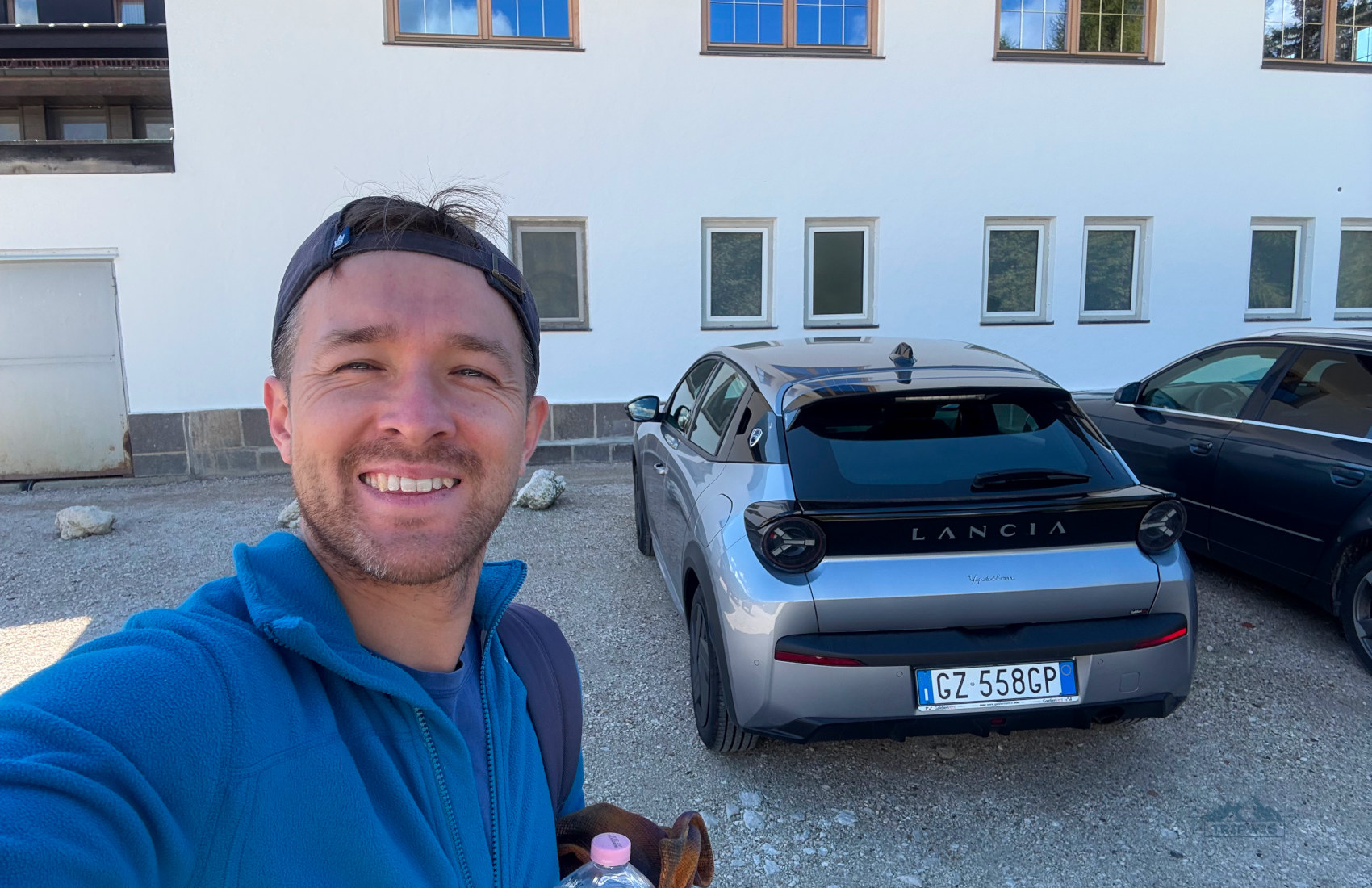
Our compact Lancia Ypsilon we rented on Discovercars for less than €15 a day in October
Though Seceda has long been the dream of every hiker traveling to the Dolomites, the recent upswing in its popularity has come from the iPhone 15 presentation in 2023 where the dramatic mountain range was shown in all its glory. The hordes of trippers have bombarded the destination ever since!
Let’s get one thing out of the way first before I dive into the breakdown of how to get to Seceda — the names of the area’s locations.
South Tyrol was once part of Austro-Hungarian Empire, and because of this history, all of the places here have two or three names — one in Italian, one in German, and one in Ladin (ancient language spoken by a handful of the area’s locals). They’re often used interchangeably, so feel free to come back to this list if you do not understand what place I’m talking about:
- Seceda (Alpe di Seceda / Seceda-Alm) — the legendary mountain peak and the star of my guide; the name is the same in Italian and German, but differs a bit in Ladin — Secëda
- Val Gardena (Gröden) — a valley in South Tyrol, the starting point of hikes to Seceda and other mountains and the location of the lower cable car stations
- Ortisei (St. Ulrich / Urtijëi) — the main town of Val Gardena; the most popular cableway to Seceda is located here
- Selva (Selva di Val Gardena / Wolkenstein in Gröden) — both a municipality and a small village in the valley; a starting point of a long hike to Seceda without the use of a cable car
- Santa Cristina (St. Christina) — another municipality of Val Gardena, home to the lower station of the Col Raiser cableway
- Puez-Odle Nature Park (Parco Naturale Puez Odle / Puez-Geisler Nature Park) — a nature reserve and protected area in the Dolomites; it is the area Mount Seceda calls home
Here’s how to get to Seceda in 2026:
Hiking from Col Raiser cable car to Seceda — €34 (our choice)
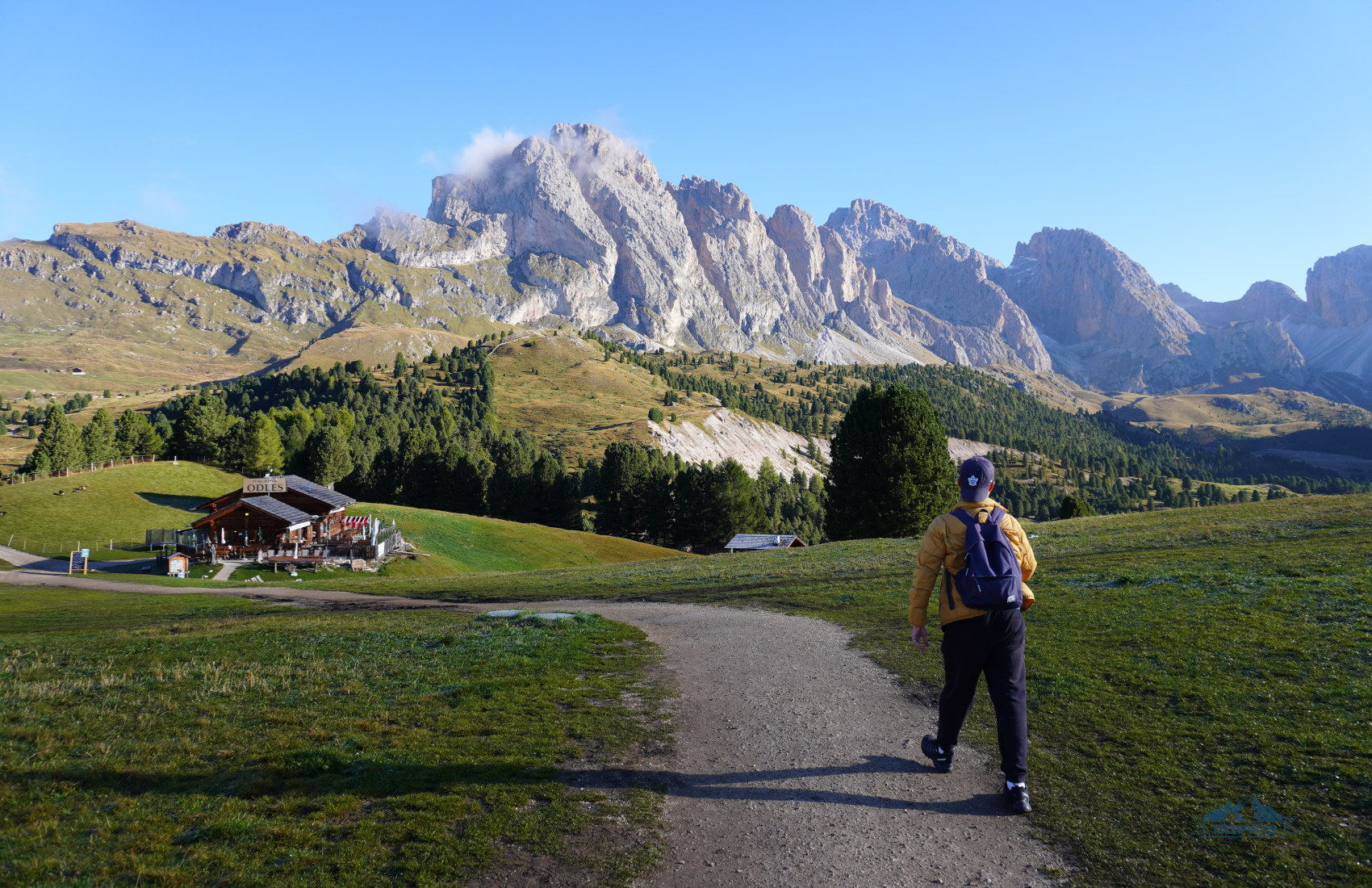
Here’s what awaits you at the top of Col Raiser cable car
🗓Summer season: From May 22 to November 1
When Mount Seceda first came onto my radar, I had no knowledge of the Col Raiser cable car option. I had been considering dropping Seceda from our itinerary altogether because of the Ortisei-Seceda cable car’s price tag. But a fellow traveler in the restaurant we were dining at told us about the cheaper cable car. It was a no-brainer decision and we sprang into action the very next day.
- The Col Raiser-Seceda-Col Raiser loop hike (here it is on Alltrails) that we found and happily completed turned out to be the best way to explore Seceda and see its beauty up close and personal. Basically, the whole idea consists of taking the Col Raiser cable car and then hiking for 10 km with an elevation gain of 550 meters. It will take you about 4 hours to complete the trail.
Col Raiser gondola is located in the town of Santa Cristina, 5 km from Ortisei. I hadn’t planned it this way, but our hotel for the first two nights in the Dolomites was right in Santa Cristina — Monte Pana Dolomites Hotel. With the help of our rental car, it was a simple 10-minute drive to the start of the adventures.
Speaking of public transport, you have to get to the town of Santa Cristina first. Ortisei, Santa Cristina, and Selva are connected with frequent buses — 350, 352, 353, and 360. Once in Santa Cristina, disembark at Dosses bus stop and transfer onto bus 258 that will take you straight to Col Raiser bus stop at the station.
 |
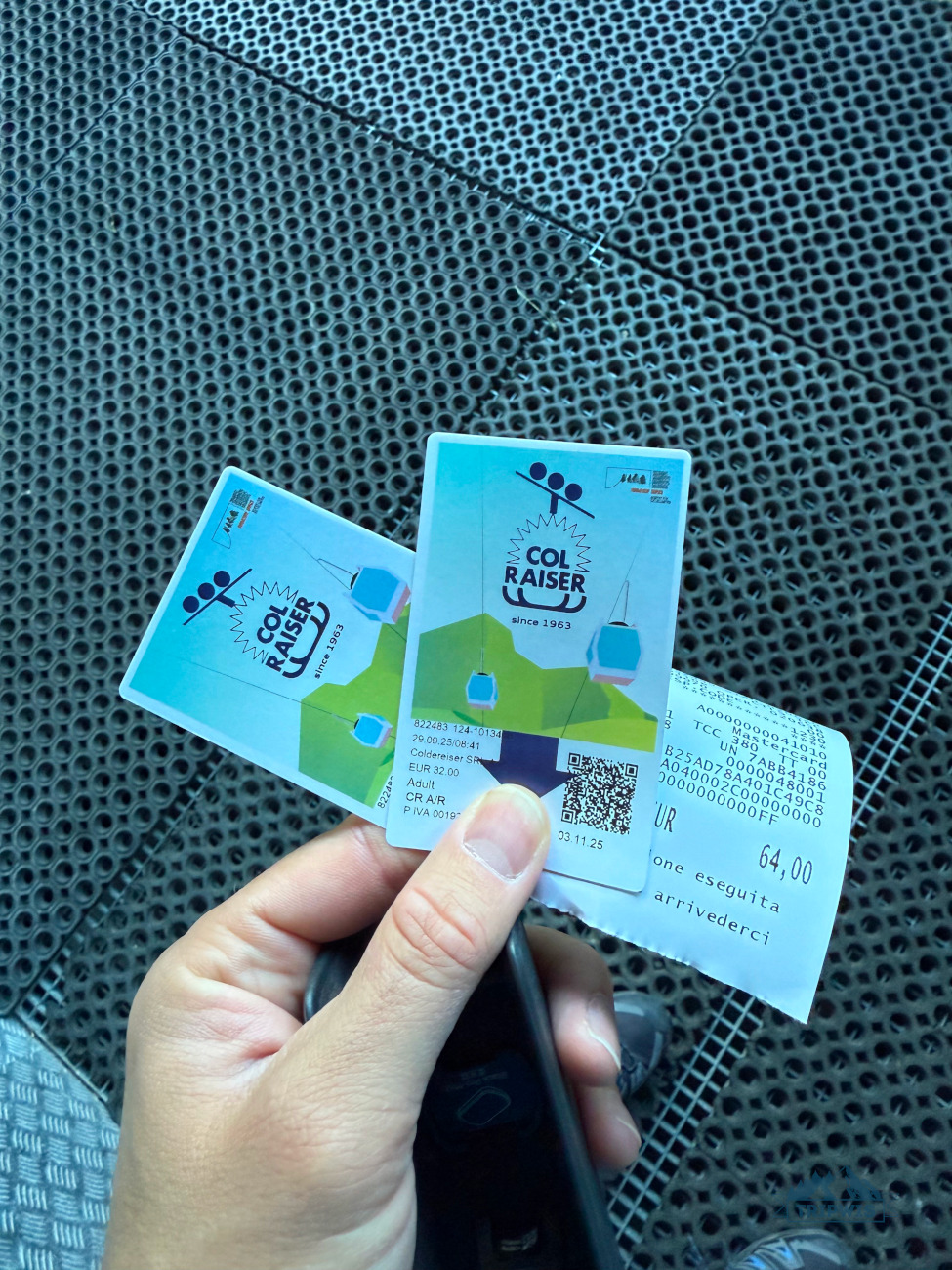 |
🔹Ticket prices for Col Raiser gondola:
- Round-trip ticket: €34 for adults, €18 for juniors (between the ages of 6 and 13), free for children under 6
- One-way ticket: €23 for adults, €14 for juniors
- Bikes are not allowed on the Col Raiser cableway, use the Ortisei-Seceda one if you are keen on mountain biking near Seceda
Do not lose your cable car ticket (it’s a physical one that you scan) — you will have to show it to get back down. Take a photo of the ticket just in case!
🔹Col Raiser operating hours are 8:30 a.m. – 5 p.m. but it might change seasonally.
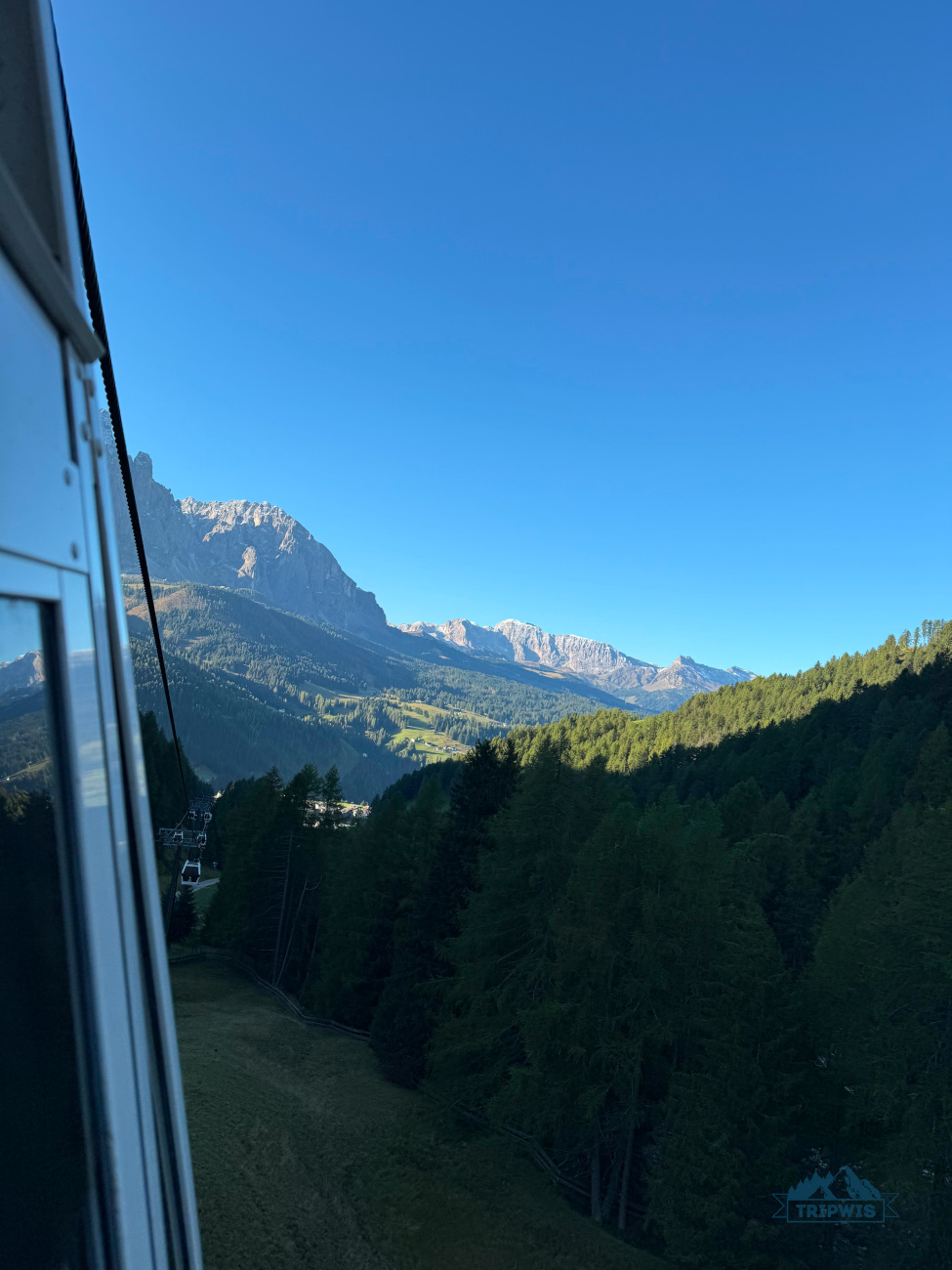
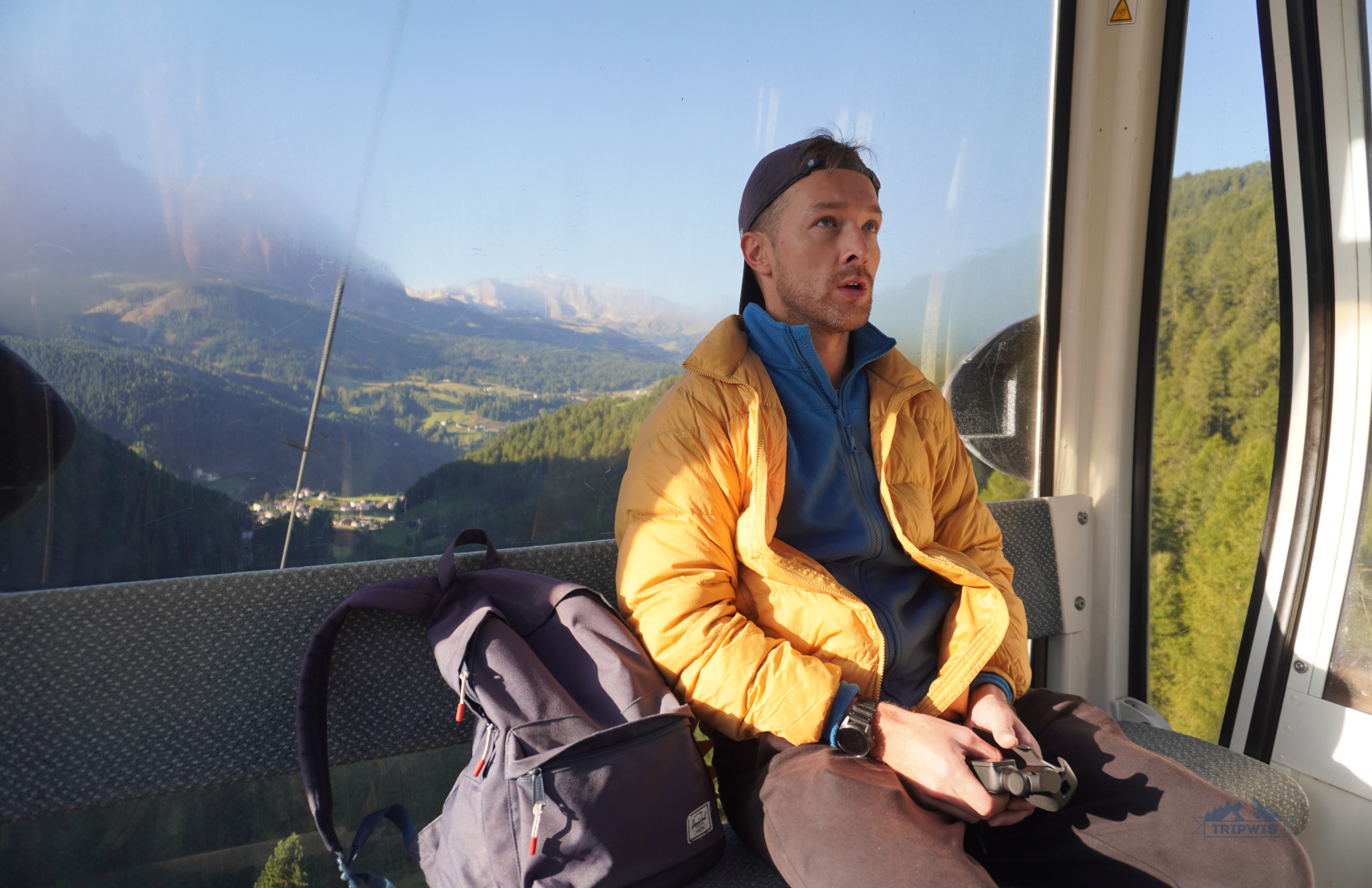
Once you get the ticket, it’s a 10-minute ride in a gondola that takes you to the Col Raiser cable car upper station. The station sits pretty at the 2,100 meters above sea level — it’s a start of many exciting trails in the area.
More details and photos of this trail are below!
Col Raiser cable car parking
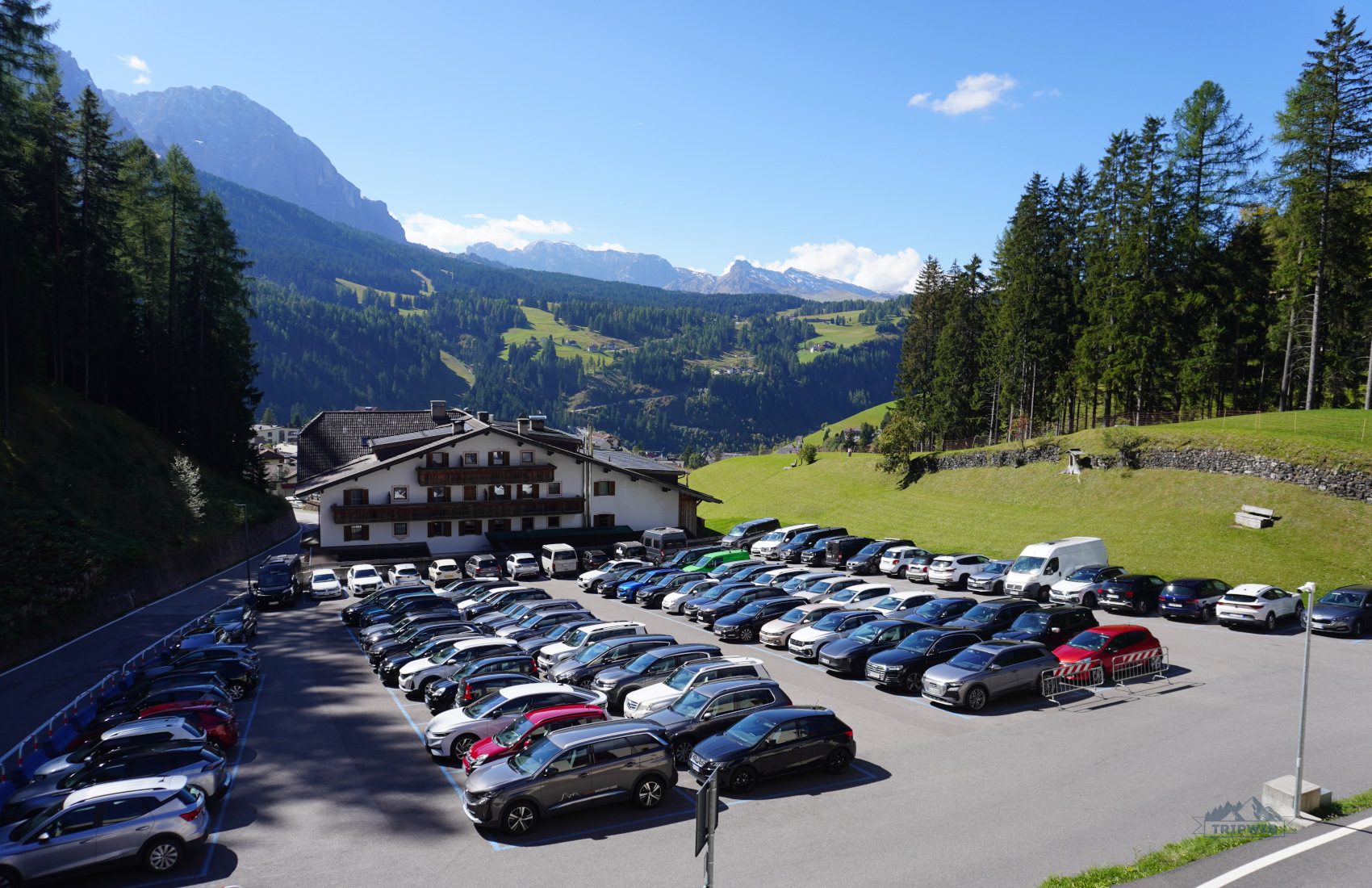
Parking at Col Raiser at 12 p.m. in October
The parking situation here is pretty straightforward — there is the main car park at the foot of the station and two smaller spaces that are used when there’s overflow of cars. The prices are reasonable: €1.5 an hour, €8 total if you’re parking your car for anywhere between 5 and 12 hours.
The parking spots fill up very fast, so you better arrive early in the morning. We came a few minutes after the cable car opening in early October and it was already full of cars.
Col Raiser cableway + Fermeda chairlift — €61 (no hiking)
🗓Summer season: From June 20 to September 20
There is another answer to how to visit Seceda by cable car from Santa Cristina. Instead of getting off at the Col Raiser station and embarking on a long(ish) journey to Seceda, you can take a 20-minute stroll to Fermeda chairlift and get whisked off closer to the ridgeline.
- In summer, a one-way ticket costs €20 for adults; a round-trip ticket is €27.
If you add together the cost of Col Raiser and Fermeda cable cars, it comes out to more money than you would spend if you were to start in Ortisei. The only difference is the views, and the fact that Fermeda is an open chairlift.
Fermeda takes you to the very top of the coveted ridgeline, to Seceda’s impressive 2,519 meters above sea level. It’s the ultimate answer to how to visit Seceda Dolomites viewpoint without using your legs too much. The ride is short — a tad over 6 minutes — which are spent enjoying the gorgeous scenery and the towering massif of the Odles Group.
Visiting Seceda by cable car from Ortisei in Val Gardena — €74 (the easiest and most popular way)
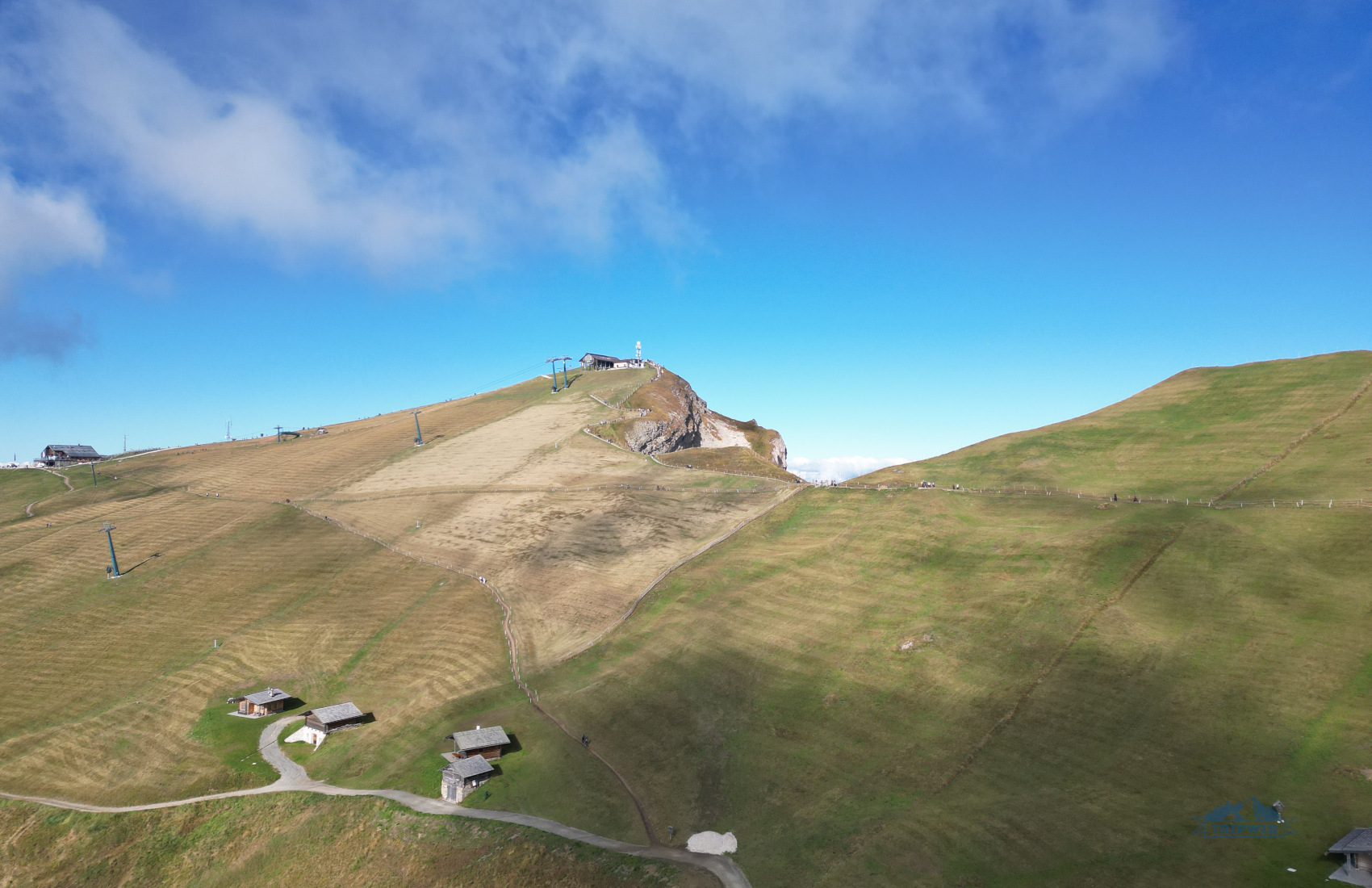
That’s the very top of Seceda: You see the cable car station and a narrow path leading to the Ridgeline
🗓Summer season: From May 22 to November 2
Taking a cable car from Ortisei to Seceda seems to be the option that is most recognized by tourists. The price is somewhat justifiable by the ease of the process — you get the ticket, ride in a gondola, and emerge at the Seceda cable car station to some of the most jaw-dropping views you’ve ever seen. And that’s the beauty of Seceda — if you have money to burn, you can avoid hiking almost completely!
Side note: Since the Seceda cable car from Ortisei is an extremely popular choice for Val Gardena visitors (due to its sheer accessibility), the crowds here are substantial. In the summer of 2025, the local landowners and farmers put up a €5 turnstile on a section* of the short hiking trail to Seceda panoramic viewpoint in an effort to control overtourism. This just goes to show how expensive taking “the easy way” in the Dolomites might be.
*There is, of course, a free alternative that adds mere 10 minutes to the total hiking time.
If you want to witness the Seceda Ridgeline with as much ease as possible, then this option is for you. So, how does one visit Seceda by cable car from Ortisei in Val Gardena?
The journey is divided into two parts, with a short transfer onto another cableway. First, you take a small gondola from Ortisei to Furnes (around 6–8 people per gondola). Then you get into another, larger (fits about 30 people), cable car from Furnes to Seceda — this ride is much, much steeper; you gain more than 700 meters in elevation over a 2,000 meter length ride (it’s not for the faint-hearted, let me tell you!).
🔹Speaking of prices, here are the summer season rates for Seceda cableway:
- Round-trip ticket: €74 for adults, €37 for juniors (between the ages of 8 and 15), free for children under 8
- One-way ticket: €49 for adults, €25 for juniors
People usually buy the combined ticket; however, there is an option to purchase just one separately and hike the rest of the way. With such a substantial elevation gain, I wouldn’t recommend hiking this particular stretch. Instead, follow our lead and turn your gaze towards Col Raiser cable car option — it includes some manageable hiking!
Even though the demand is high, purchasing a ticket at the lower station’s counter is a fine idea. Still, if you like to be thoroughly prepared, you can buy your tickets online.
🔹The operating hours for both gondolas are 8:30 a.m. – 5 p.m. but it might vary a bit in different seasons.
Ortisei-Seceda cable car parking
 |
 |
Just like expected, Seceda cable car parking price is a significant expense for your outing.
There are two options you can choose from:
- A covered parking garage and a large outdoor parking area right at the station — it is open 24/7, every day of the week, and costs €3 per hour
- Garage Central — a parking garage in Ortisei located within an 8-minute walk from the station. It is also operational 24/7 and costs €1.9 per hour
Getting to Seceda without a cable car — €0 (the most physically demanding way)
Now, if taking a cable car with an impressive elevation gain makes your heart drop in fear, know that there are alternative options for reaching Seceda that are more down-to-earth. Hiking from your chosen base in Val Gardena is an answer to your prayers. There are many travelers researching ways of how to get to Seceda without a cable car — you will not be flying solo on the trails, that’s for sure.
Even if you do not suffer from fear of heights, choosing to use your own two feet is simply smart budget planning. Plus, it’s the Dolomites — even the journey to the more iconic destination is in itself an exciting and scenic adventure. Plus, if you want to photograph the coveted Alpenglow of the Seceda bathed in colors of sunrise or sunset, the opening hours of cable cars do not agree with the optimal conditions. Of course, you can cheat the system and stay at a rifugio near the summit; that way, you do not have to wake up in the middle of the night and climb crazy elevation in pitch black.
With that, there are three options of how to hike to Seceda Ridgeline without a cable car:
- From Daunei — a 17 km loop hike with an elevation of 940 meters. You will merge with Col Raiser-Seceda trail I’m talking about below near Firenze Hut. The trailhead starts at the parking spot in Daunei. You can leave your car there for €0.5 per 30 minutes (max. €8 a day). The loop takes 5 to 6 hours to complete. The trail is considered to be of hard difficulty, and only advisable for people with good level of fitness.
- From Santa Cristina — a one-way trail that covers 9 km, with over 1 km elevation. Again, the route will merge with our trail near Firenze Hut. It takes 3.5 hours to get to the Seceda viewpoint (double the time for a total breakdown, together with the way back). The trail starts near Dosses bus stop and runs parallel the Col Raiser cable way.
- From Ortisei — the least popular option as a sufficient level of cardio is required to complete this hike. And since the cable car is so close, not everyone dares to give it a try. And I agree with them — it’s better to take the bus to the start of the proper and fully marked hikes. For example… ⬇️
Seceda hiking overview (with Col Raiser cable car)
 |
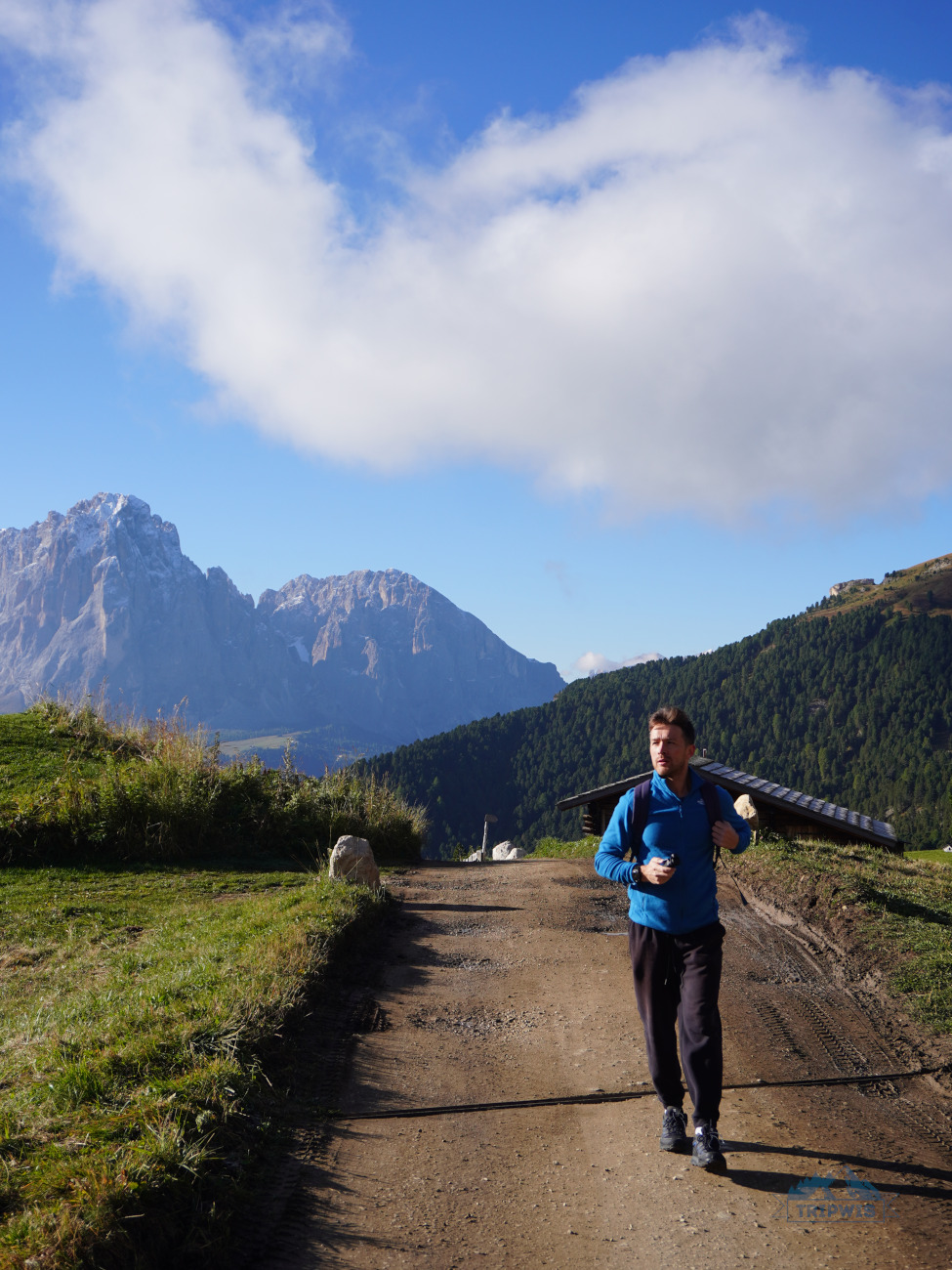 |
The finish / The start
Though the option of taking a cable car from Ortisei is very popular, it just wasn’t our cup of tea. We are vehemently against such a “hit-and-run” approach to visiting the legendary ridgeline (and the price tag that comes with it).
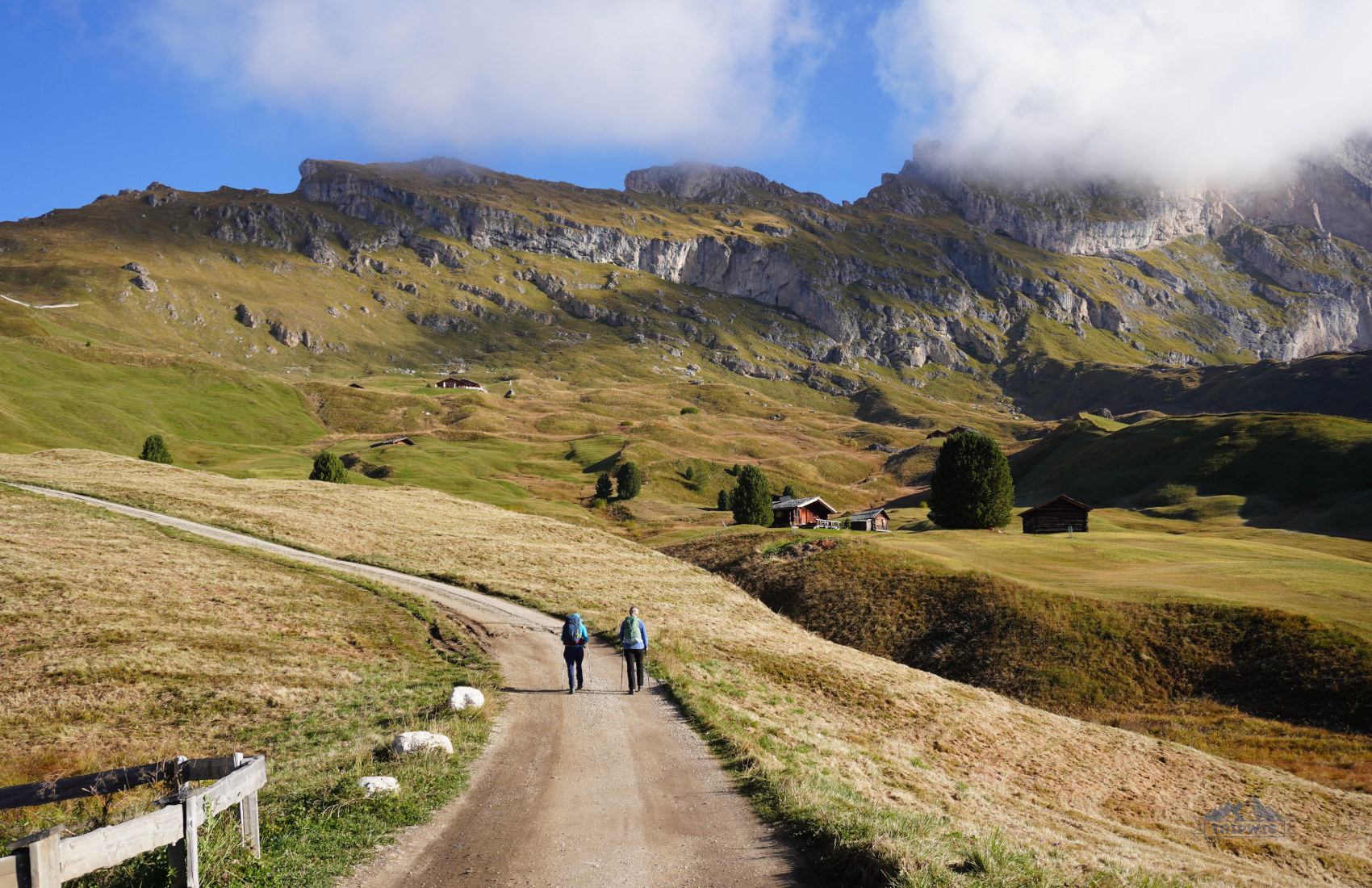
If you set out on the Seceda Ridgeline loop hike from Col Raiser, you are guaranteed a fun, exciting adventure away from the crowds. You will see rolling hills speckled with wildflowers, tiny alpine huts, towering cliffs, and the iconic ridgeline in all its glory! Check out our YouTube video to get the full visual effect!
But first, some stats for the Seceda Ridgeline loop hike from Col Raiser:
- Distance — 10 kilometers / 6.2 miles
- Elevation gain — 550 meters / 1,814 feet
- Hike time — 4.5 hours
- Hike difficulty — moderate
Follow the AllTrails map to avoid veering off course too much.
Personal experience: We started the hike at around 8:30 a.m., getting back to Col Raiser station at noon. I advise you to set at least 4 hours to complete the loop and do it clockwise.
Getting ahead of myself here and setting the tone right from the start, I can confidently declare that the Seceda hike from Col Raiser is one of the best hikes in the Dolomites! It’s not too difficult and it passes through the park’s most enchanting terrain.
Here’s my Col Raiser to Seceda hike guide in the Dolomites.
You start from Col Raiser upper station.
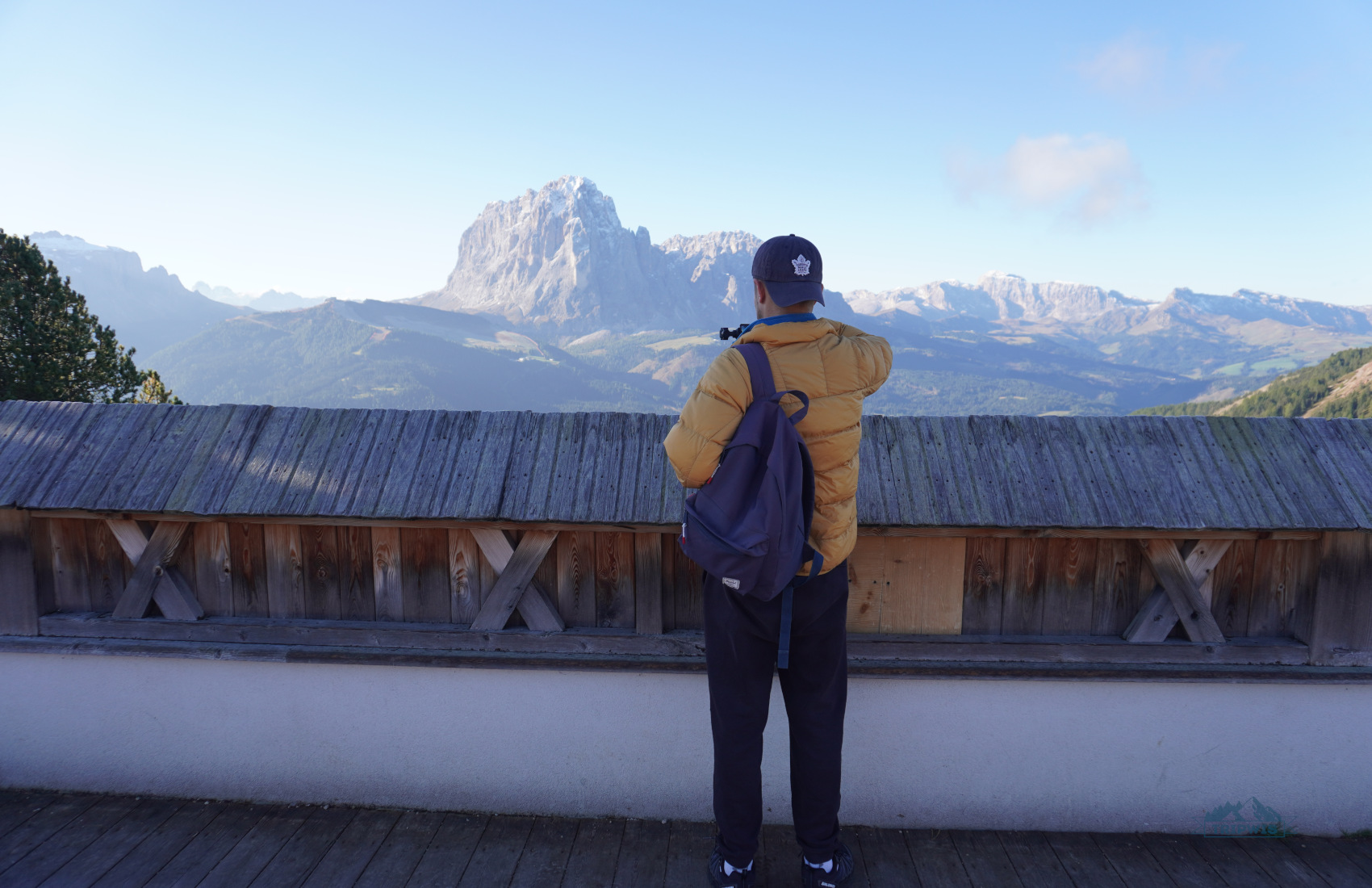
As you emerge from the gondola at the elevation of 2,100 meters, you’re welcomed with fresh mountain air and spectacular views — it looks like you’re surrounded by showstopper peaks on all sides! The Sassolungo massif and the Sella group of mountains open up right in front of you. To your left — the sheer wall of the grey Odle Group.
When we first came here, it was early October — the breath caught in my throat could be attributed to both stunning panoramas and the frosty zero degrees Celsius (there was actual frost on the benches and tables).
There are many trails that start at the station, and the sign says that it should take you 1 hour and 50 minutes to reach the Seceda Ridgeline. It actually took us an hour and a half (it’s just three kilometers) as the route is moderate in difficulty, and the weather is on our side this time.
You would be pleased to learn about the rare sight of crowds that start off at Col Raiser upper station — most travelers take the Ortisei-Furnes-Seceda cable car that brings them right to the ridgeline, leaving you to enjoy the scenery in the lower valley all to yourself.
Your first point on the way is Baita Odles.
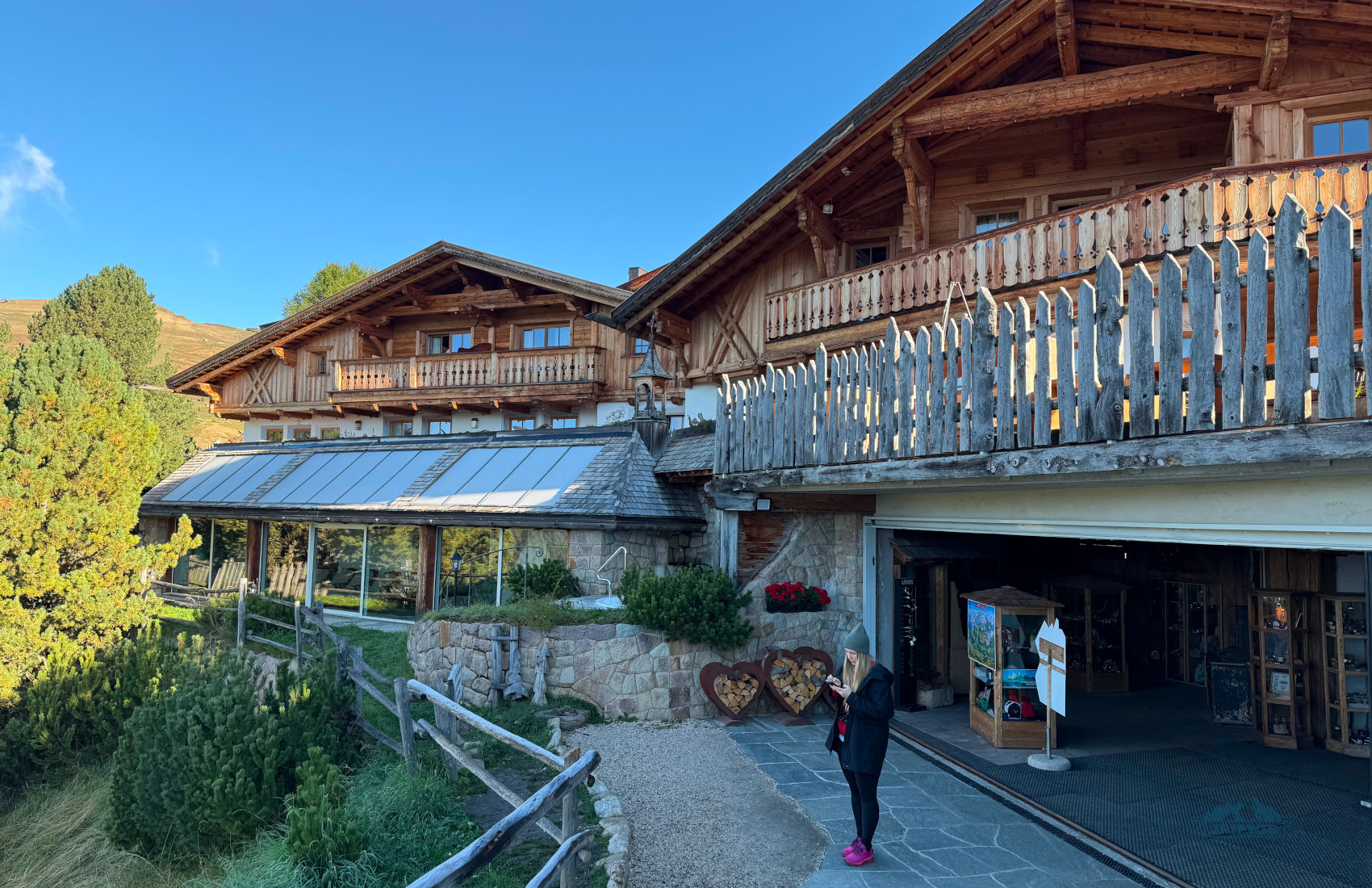
Just a few steps away from the station, and you’re met with the first classic mountain hut of your journey. In the South Tyrol region, the names of these “rest stops” are often accompanied with an Italian or German word that could be translated to “mountain hut”. So, if you see the word malga, baita, rifugio, hütte, or schwaige, know that this is a place where you can eat, drink, take a break from hiking, and even stay overnight (not all rifugios have this option; it’s better to check in advance).
Unlike our Alpe di Siusi exploration where we saw just two rifugios total, the Col Raiser-Seceda hike is well-known for having quite a bunch of them.
Baita Odles is very proud to serve traditional South Tyrolean dishes made from their own produce — you can’t go wrong with ordering a homemade dessert — Kaiserschmarrn — which is an Austrian shredded pancake served with a generous dusting of powdered sugar and a berry or fruit compote on the side.
From here, a trail weaves through the short forested stretch, but then it opens up to a large alpine meadow with a constant uphill. The path itself is okay — it’s wide enough that people can pass by without interrupting each other. The only thing that disrupted our “zen” state of continuous rhythmic movement were a few trucks that drove by — it seems that a new rifugio or a hotel is underway!
Then comes Baita Daniel.
 |
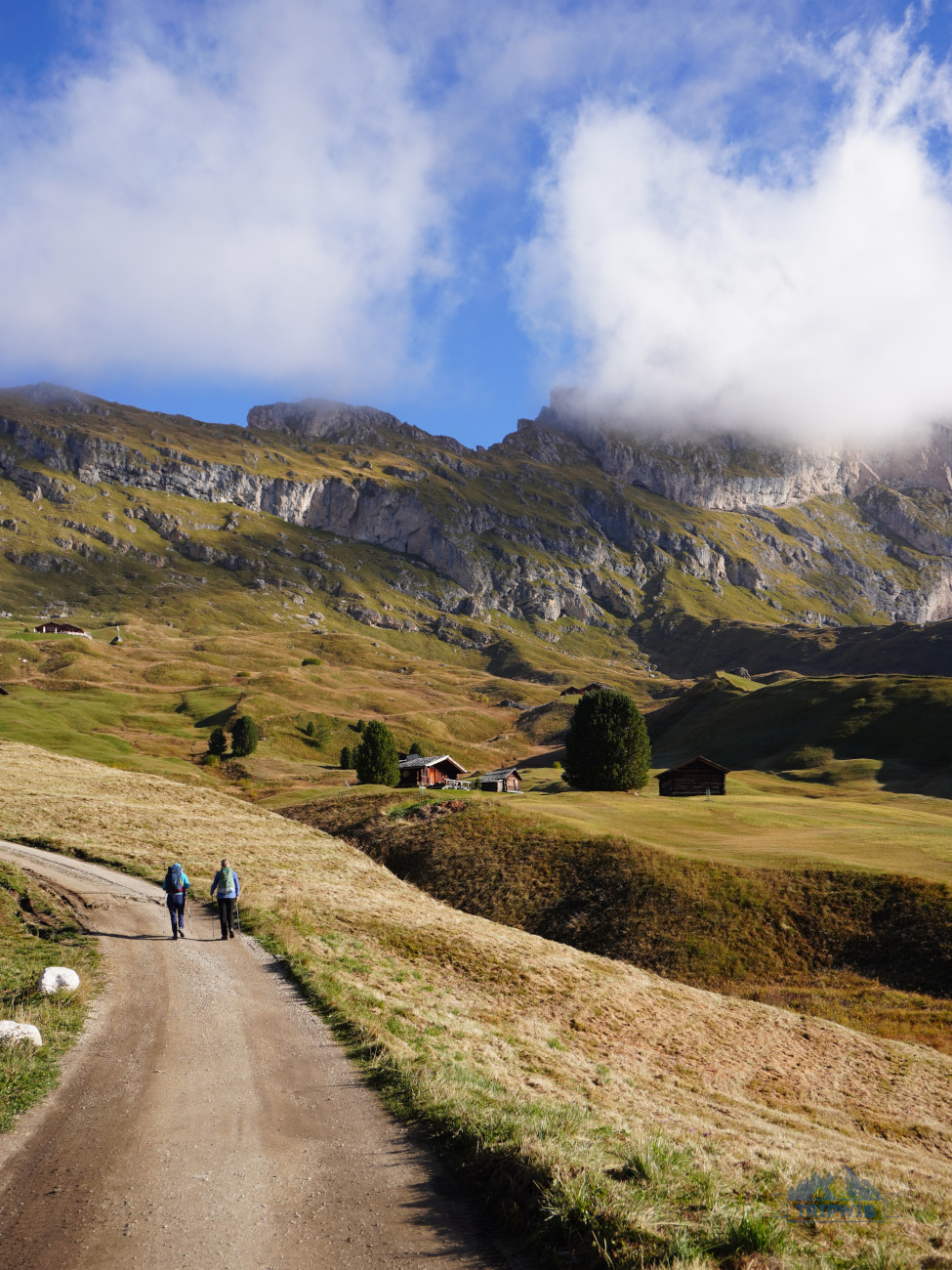 |
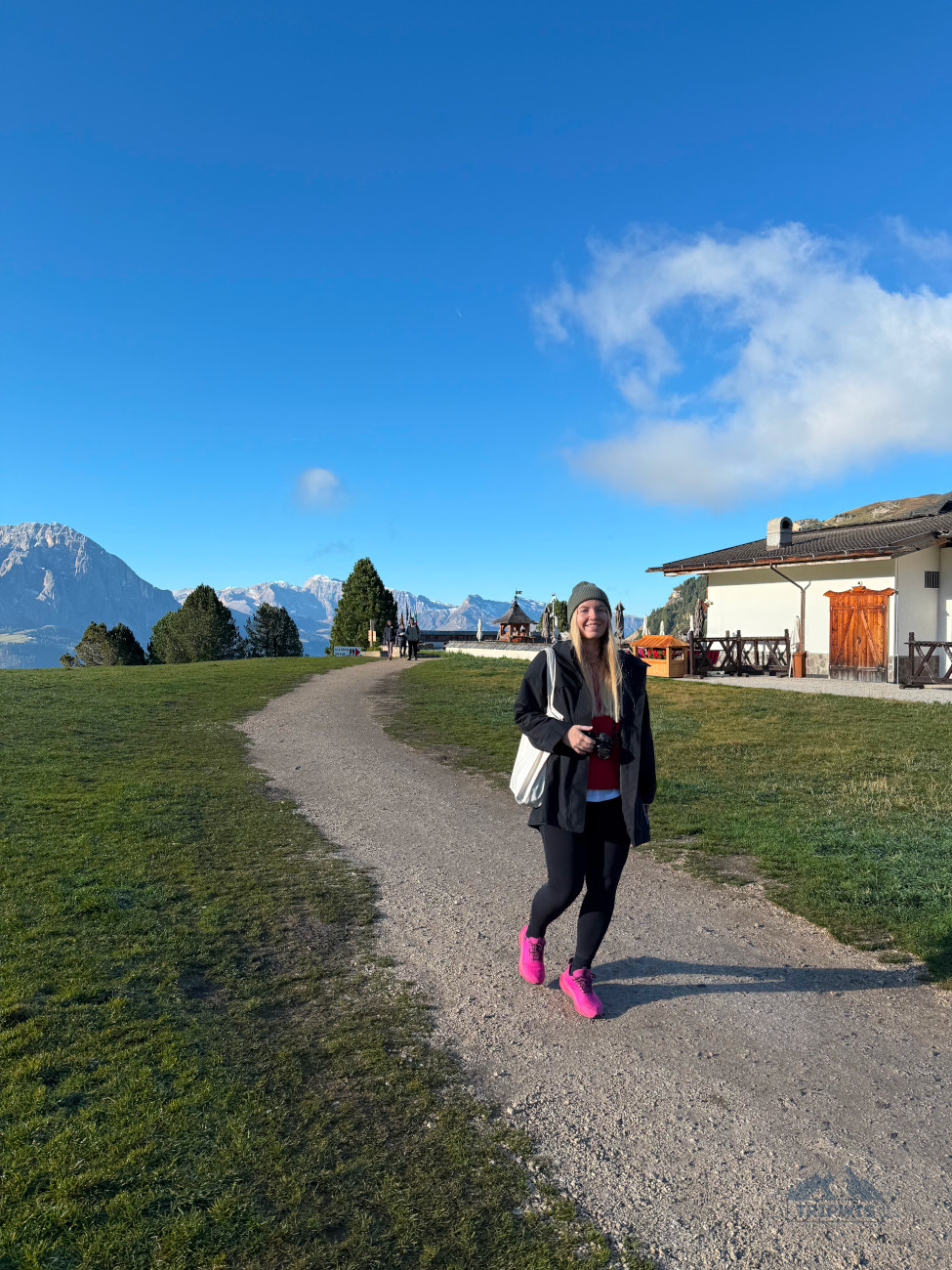
Baita Daniel mountain hut could not come at a better time — this is the stretch of the trail where the elevation is starting to ramp up. If you haven’t stopped for a bite already, now is the opportunity to do so.
After the rest stop, it’s time to move on — do not worry about getting lost, since Mount Seceda is right there, at the top, like a shining lighthouse in the distance. You just need to look up to check the course! However, all the looking up/around is bound to add at least 15 minutes or so to your total hiking time — all the precious photo opportunities are hard to pass by.
After that, the trail really does start to become a tad more challenging, with a path turning from a simple dirt road into a combination of sharp rocks and gravel. The steep incline is no joke — before a hiking trip in the Dolomites, it helps to build at least a bit of cardio and general endurance.
Eventually, you reach an important fork in the path.
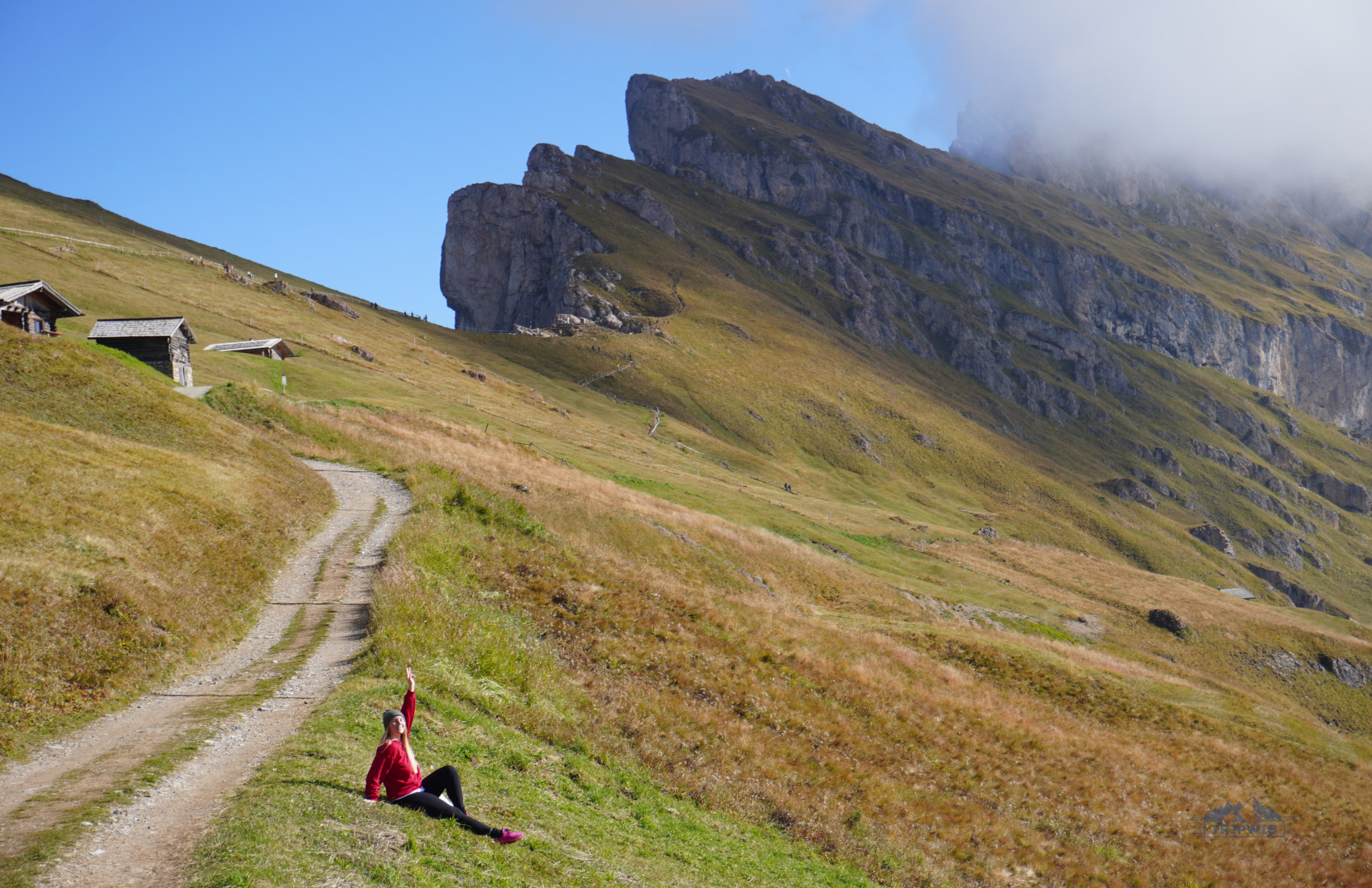
You can either follow the loop trail left, to Baita Sofie and Seceda cable car station or you can turn right while still in the valley, bypassing most of the crowds on your way to the panorama (and skipping the money-grabbing turnstile part of the route).
If you decide to stick with the loop trail, then make your way towards one of the most visited rifugios in Seceda — the Sofie Hütte. By now, you’ve earned a proper meal — order a beef goulash with speck dumplings (€31) and a Hugo Spritz (€9; a floral version of Aperol Spritz).
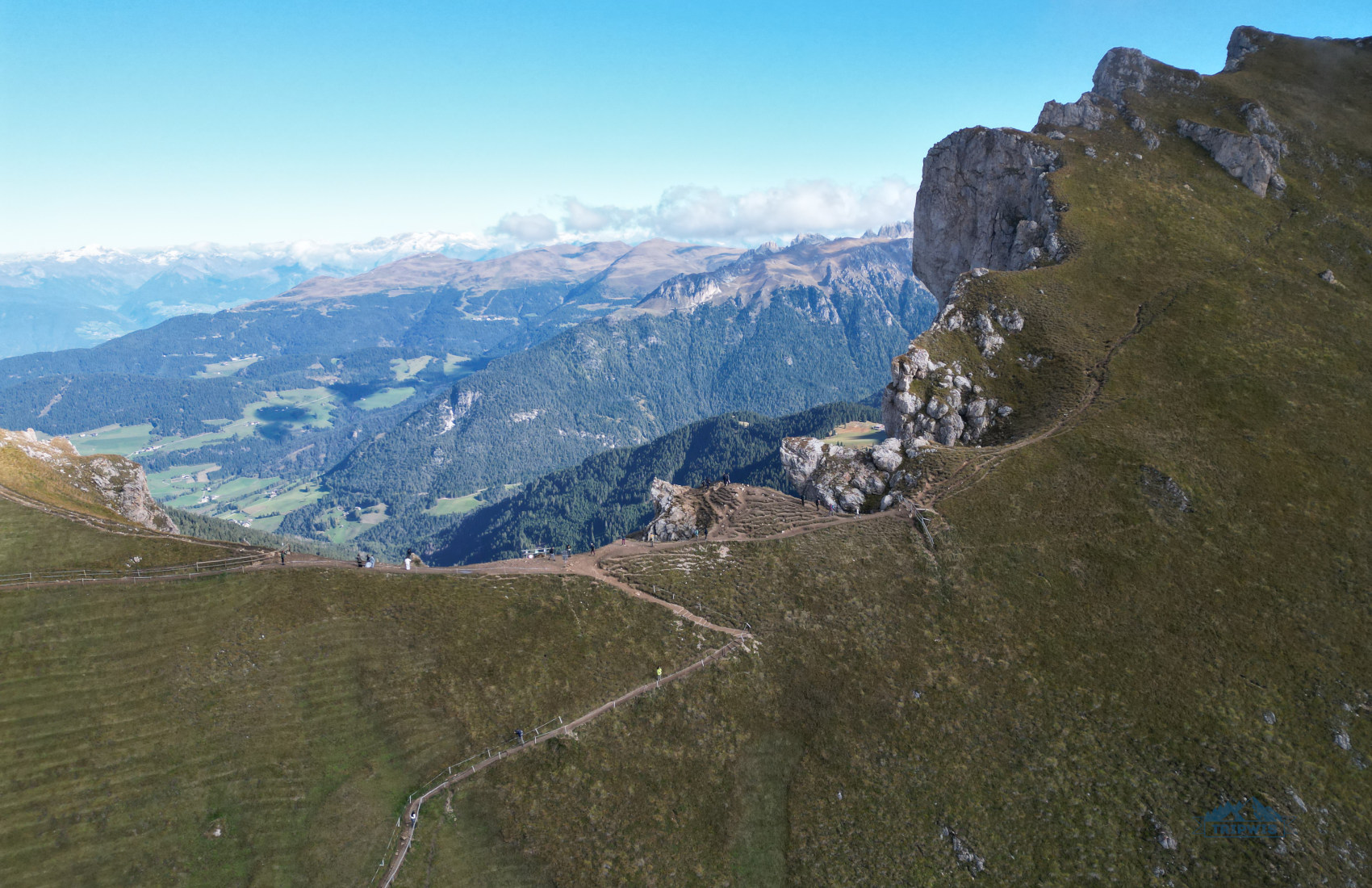
With a jaw-dropping backdrop of the Seceda Ridgeline, Baita Sofie is an iconic location well-loved by tourists. A lot of travelers that arrive on Seceda by a cable car still make their way down to the rifugio — even though it’s away from the main ridgeline trail (and in spite of the fact that the Seceda Station also has a restaurant).
And with that, you’re almost there, up close to the iconic Seceda Mountain.
Things to do in Seceda: Ridgeline, rifugios, and viewpoints
 |
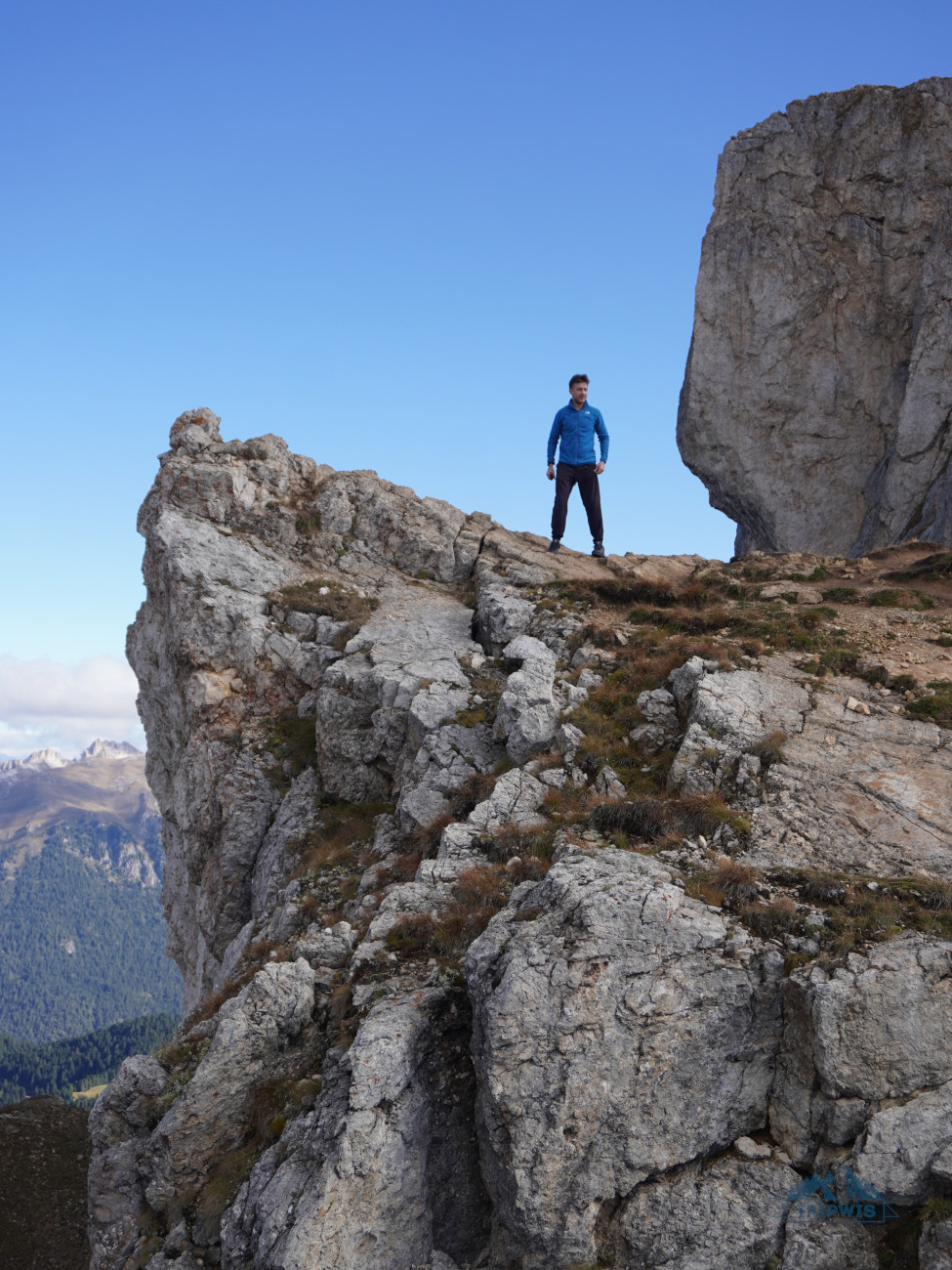 |
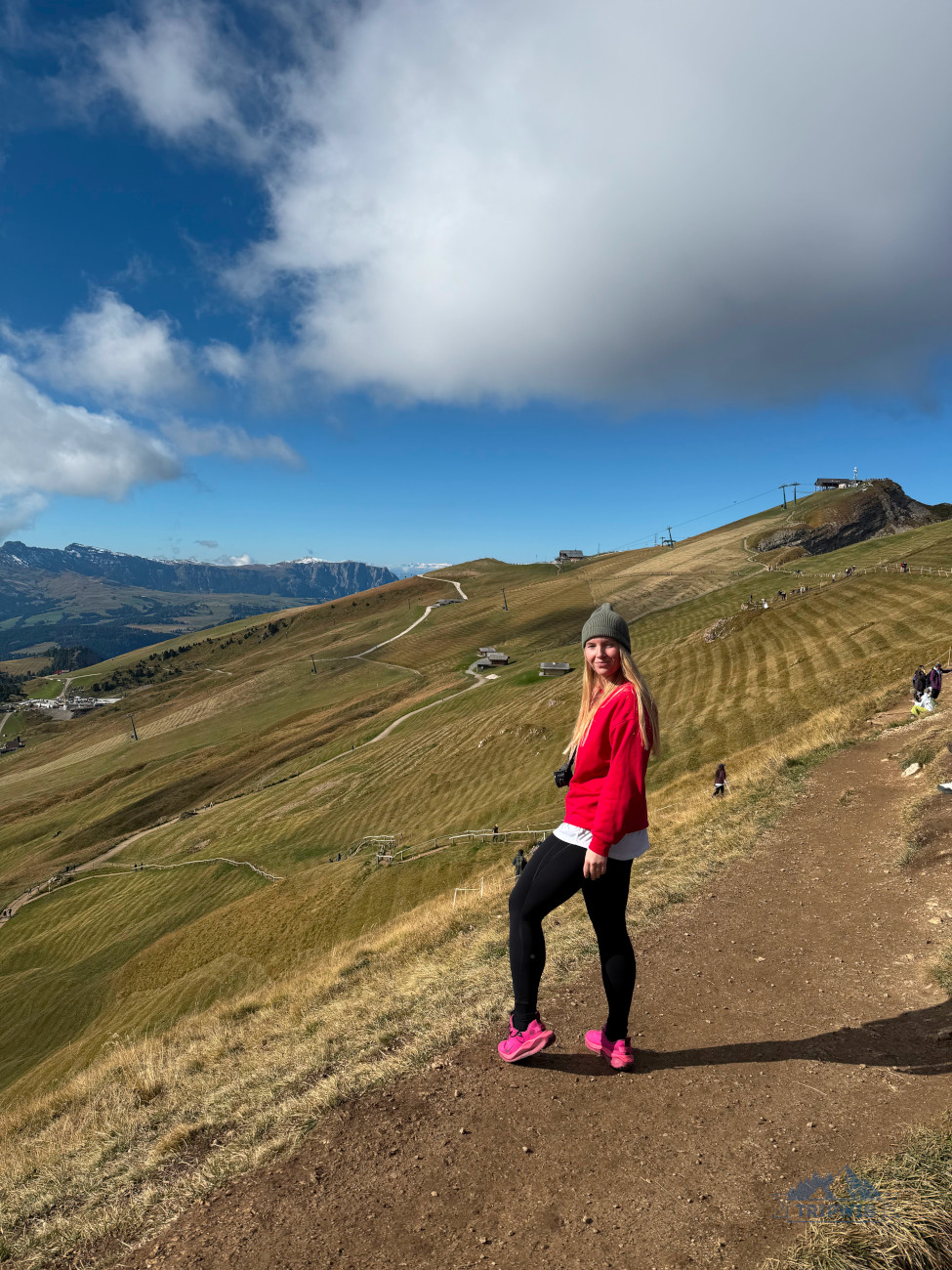
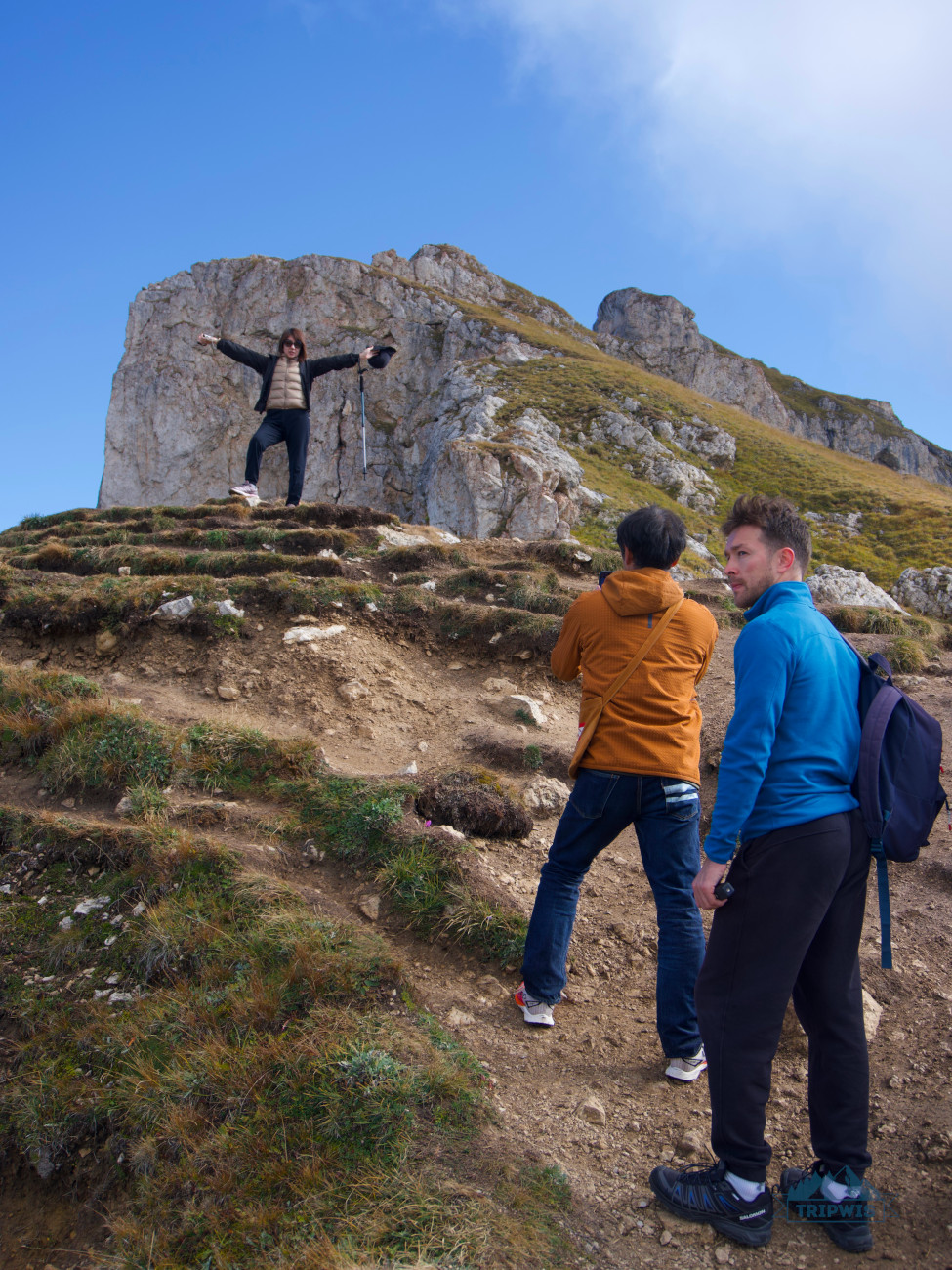
An iconic photo spot on top of Seceda
Without further ado, let’s focus on the things to do in Seceda and its most noteworthy landmarks.
- Seceda station
At this point it’s essentially a full-on guide to hiking the Seceda, but would you believe me if I told you that there are travelers that arrive at the Seceda, go to a restaurant at the station, take a few pics of the views and go straight down? Though everybody has their own circumstances, I feel like you want to get your money’s worth when exploring Seceda!
Personally, I wouldn’t go out of my way to visit the Seceda station if you (like us) came here via Col Raiser cable car. One thing that could convince me to hike to the station is the Fly2 headquarters located in the building — paragliding with the views of the Fermeda Towers and the rolling green hills is one of the more thrilling things to do in Seceda! You can book your flight in advance via the official website — the prices start at €160 per person for a 10–20 minute flight.
- Seceda summit
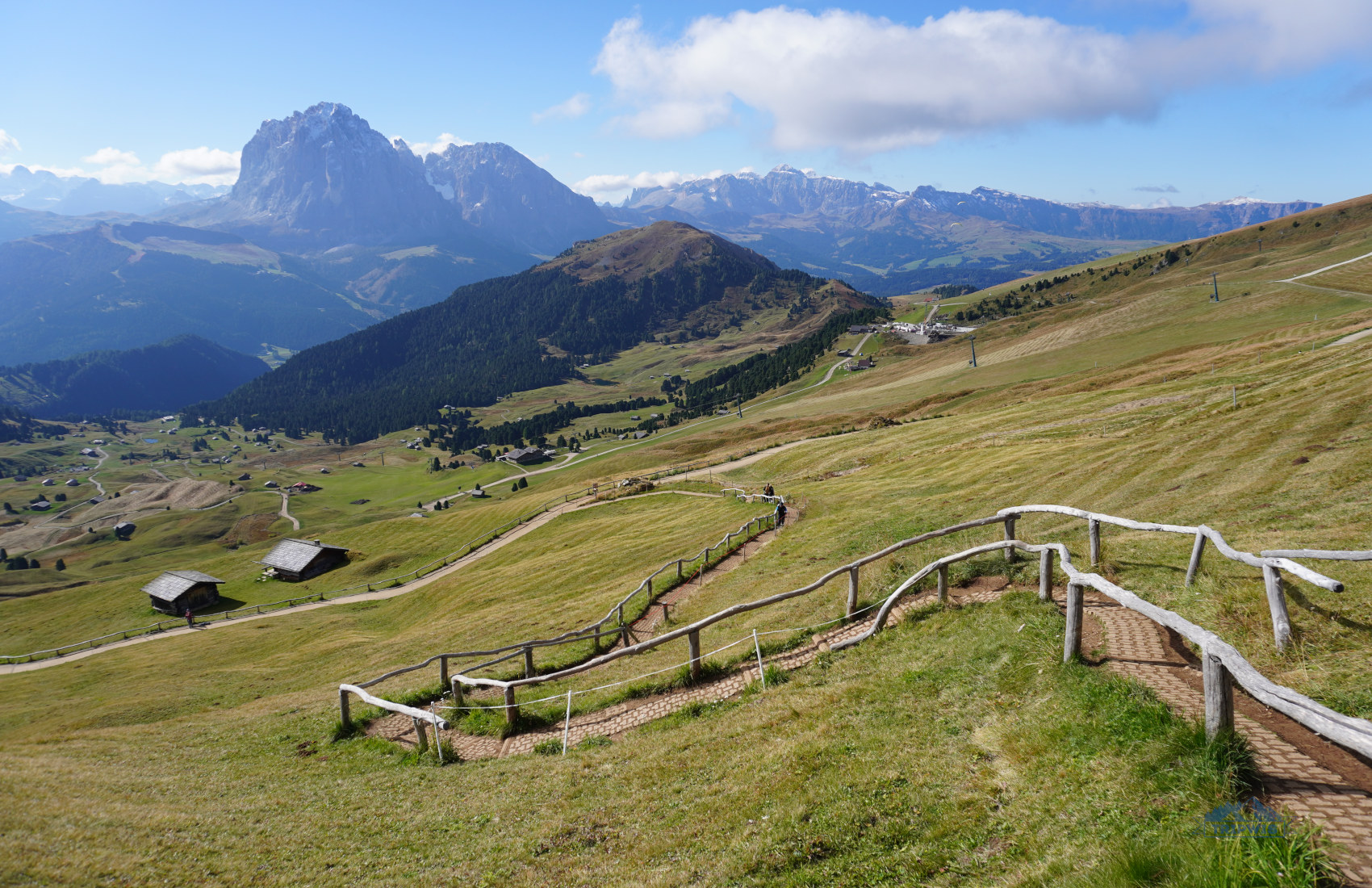
…and here’s what you see from that photo spot
You cannot come this close to the ridgeline and not visit the Seceda Dolomites viewpoint. Though there are many “viewpoints” dotted along the edge of the mountain, the summit is a hard one to miss — it is fit with a stately wooden cross and Christ sculpture and a circular diorama that mirrors the surrounding mountains and gives them names for easy reference.
When you look down on the valley in front of you (opposite to the way you came from), you might catch glimpses of the Adolf Munkel Trail — another great hike in the Dolomites!
- Seceda Ridgeline
 |
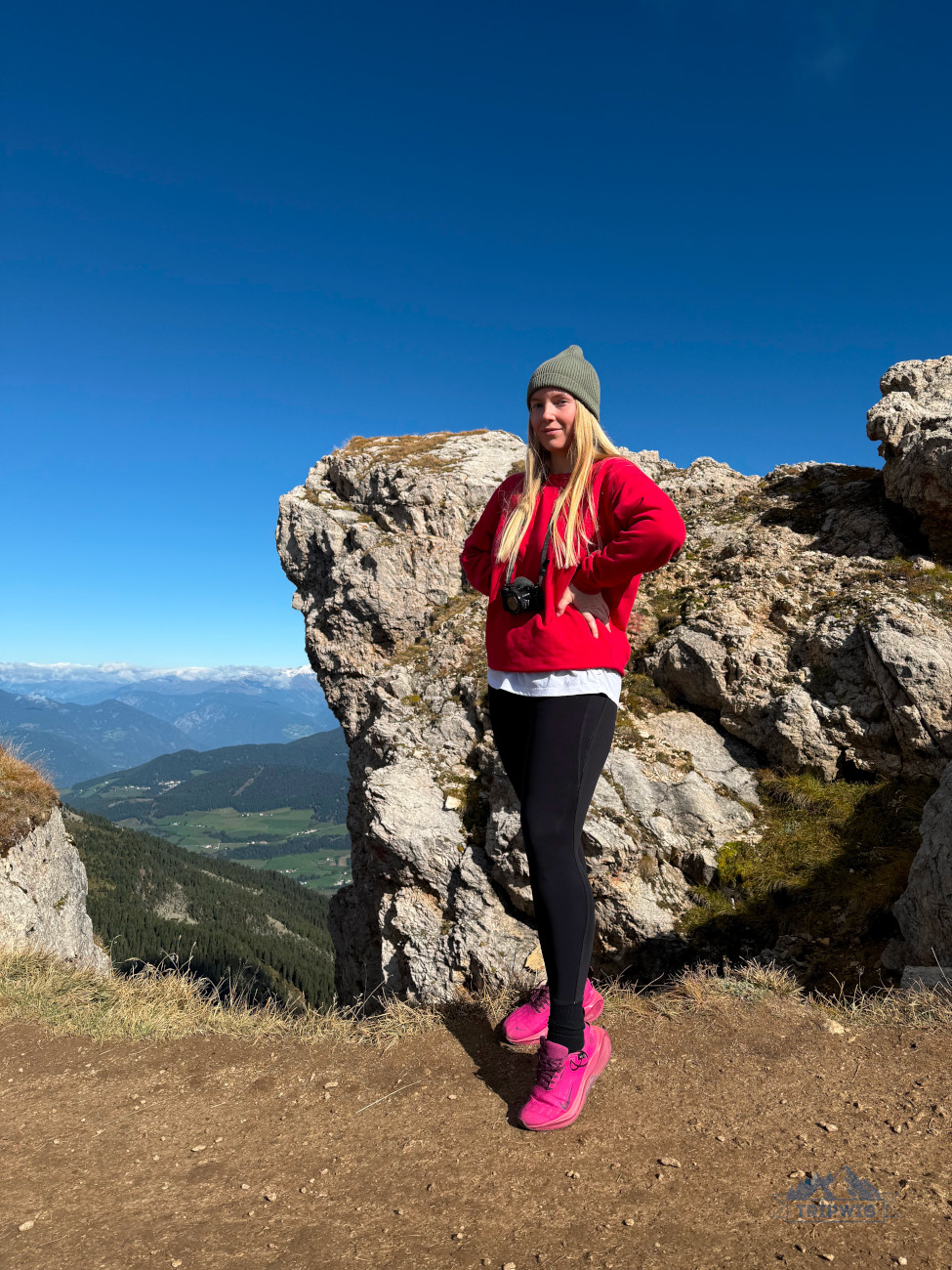 |
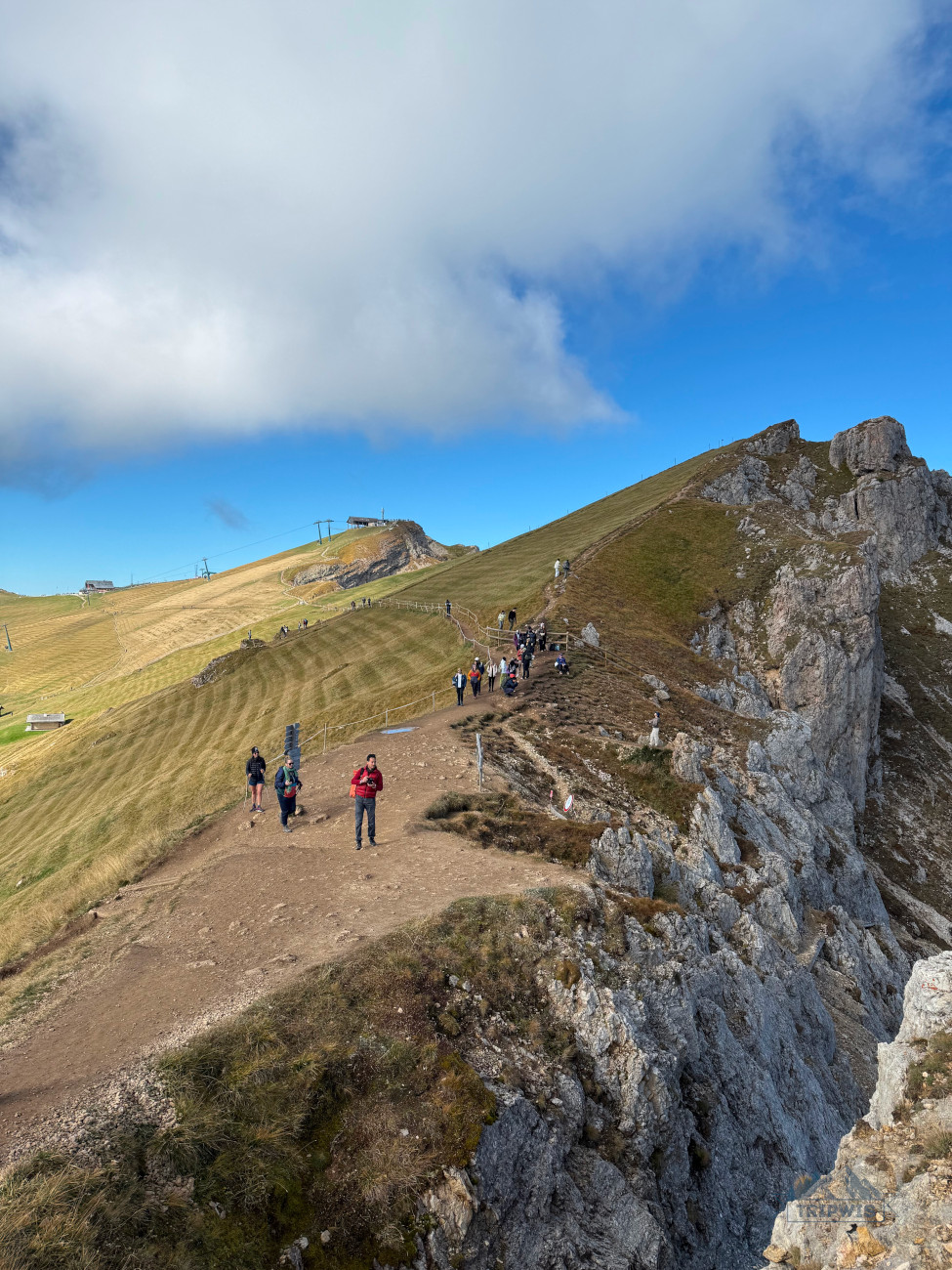
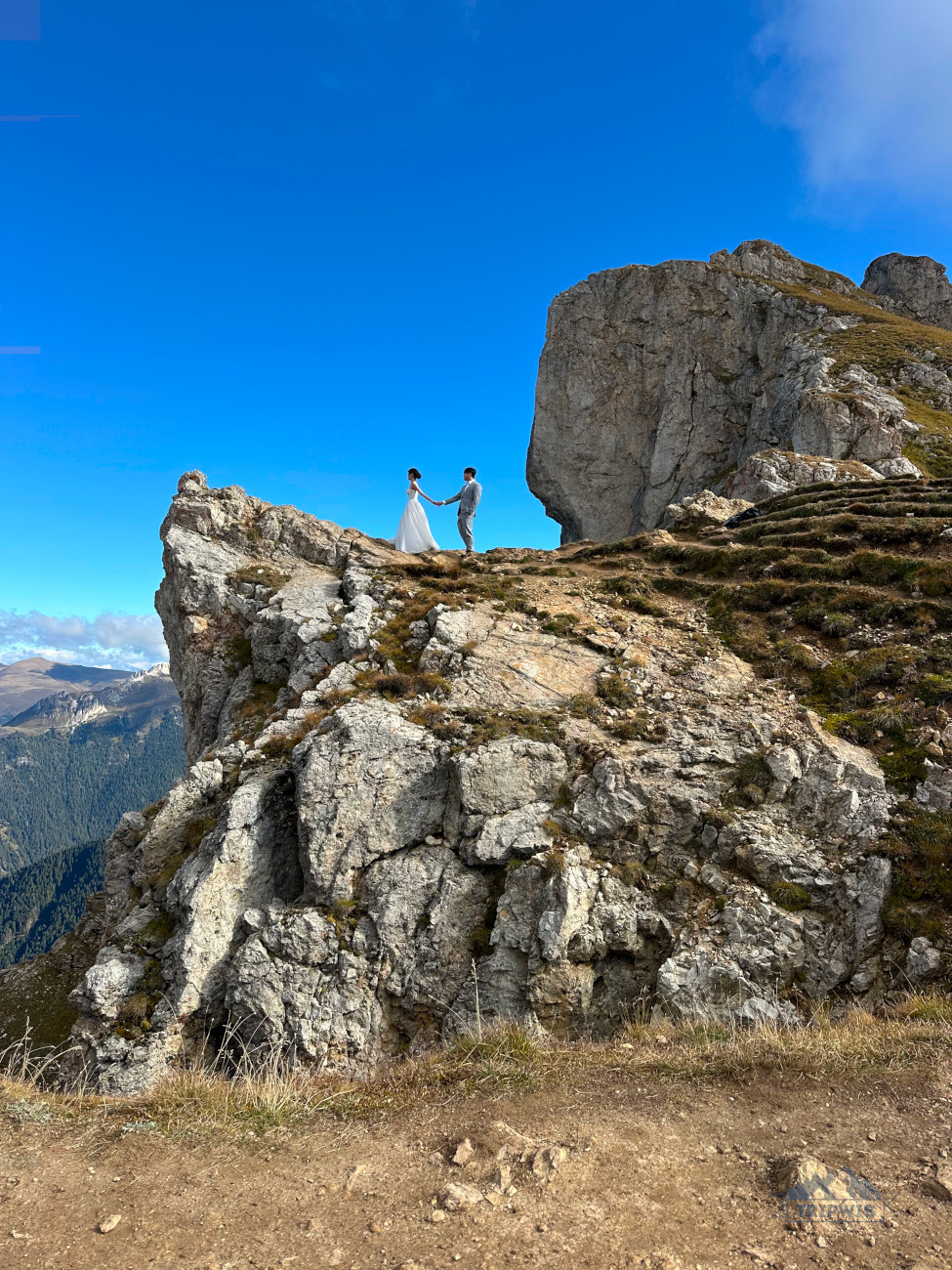
Seceda Ridgeline is the most spellbinding path I’ve ever hiked on — the sudden tall drop to the left and the needle-like mountain peaks in front of you, the rolling valley to the right, — it feels like you’re walking on the edge of the world or on the Heaven’s precipice!
The path is fit with many viewing decks that can fit quite a few people — even though this part of the hike is guaranteed to be crowded, it doesn’t feel like you’re suffocating in the sea of fellow travelers.
Side note: If you have taken the same shortcut we did (bypassing the Seceda station and summit), then the viewpoint right by the peaks is where you will return back on the trail — to get there, you have to climb quite a steep winding path, leaving you looking a tad more haggard than all the tourists that came right from the station (your red cheeks are a badge of honor in a way).
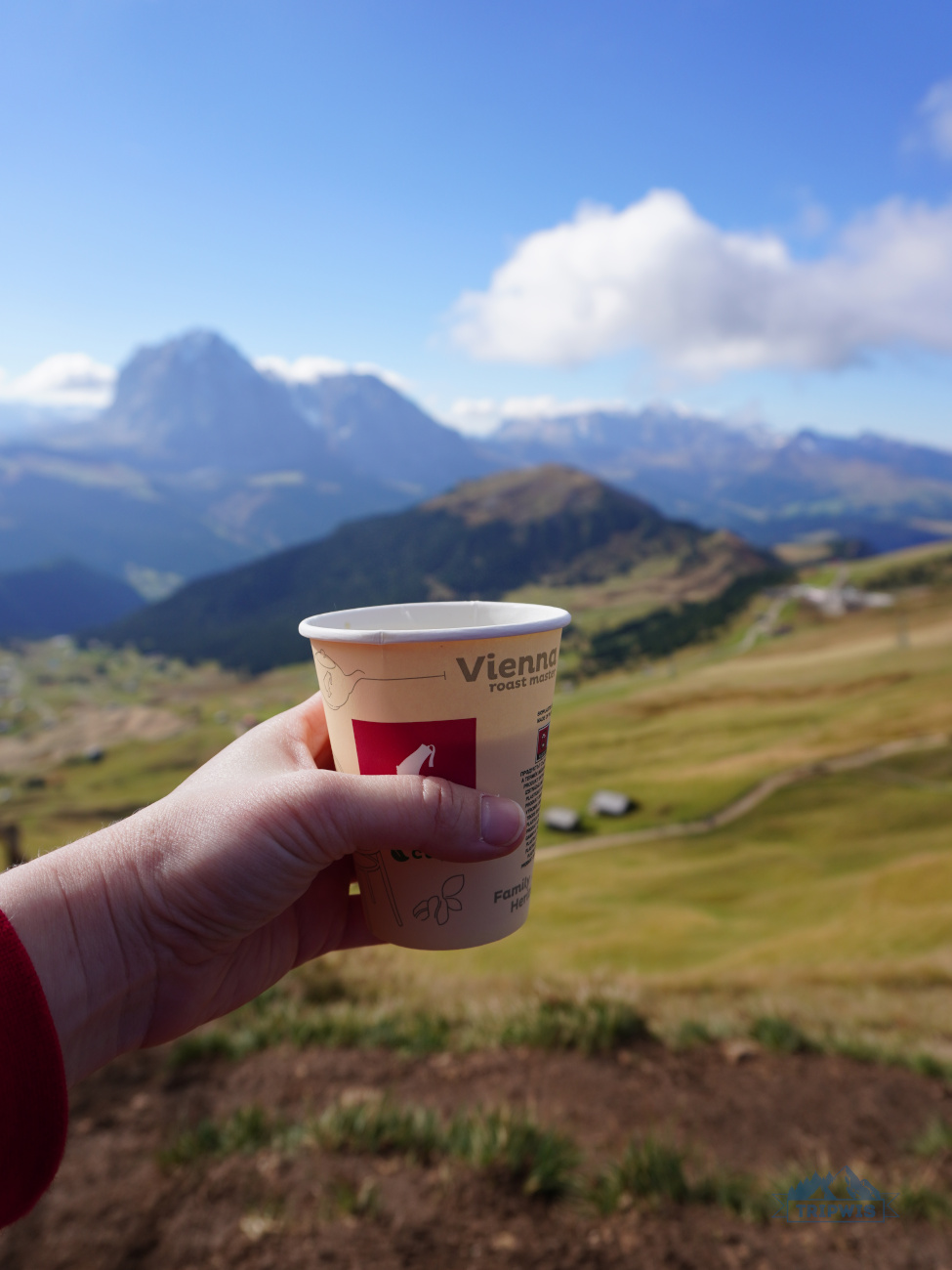
The foot of the Seceda Mountain peaks is where you can hang back a while, taking the astonishing view in. We came prepared with a little picnic, and I advise you to follow suit — you should bring some hot water in a thermos, tea bags or drip coffee pouches, and a few snacks (cured meat, cheese, bread — your Dolomites starter pack).
After you’ve paid the legendary Seceda peaks their due diligence, it’s time to head back. Thankfully, it’s a loop trail — you’re not retracing your steps back, but you see way more interesting sights on your way to Col Raiser station.
- Pieralongia
 |
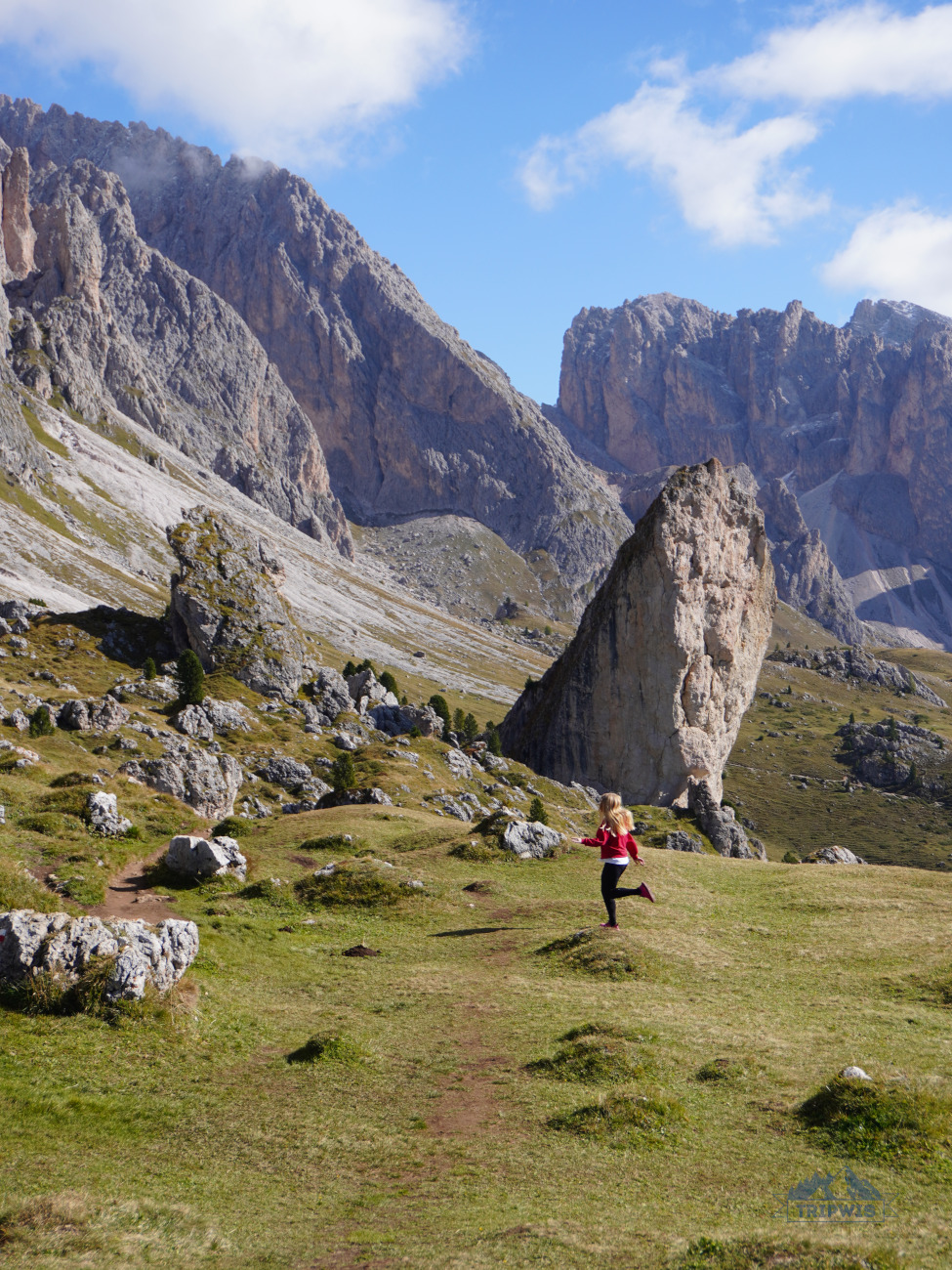 |
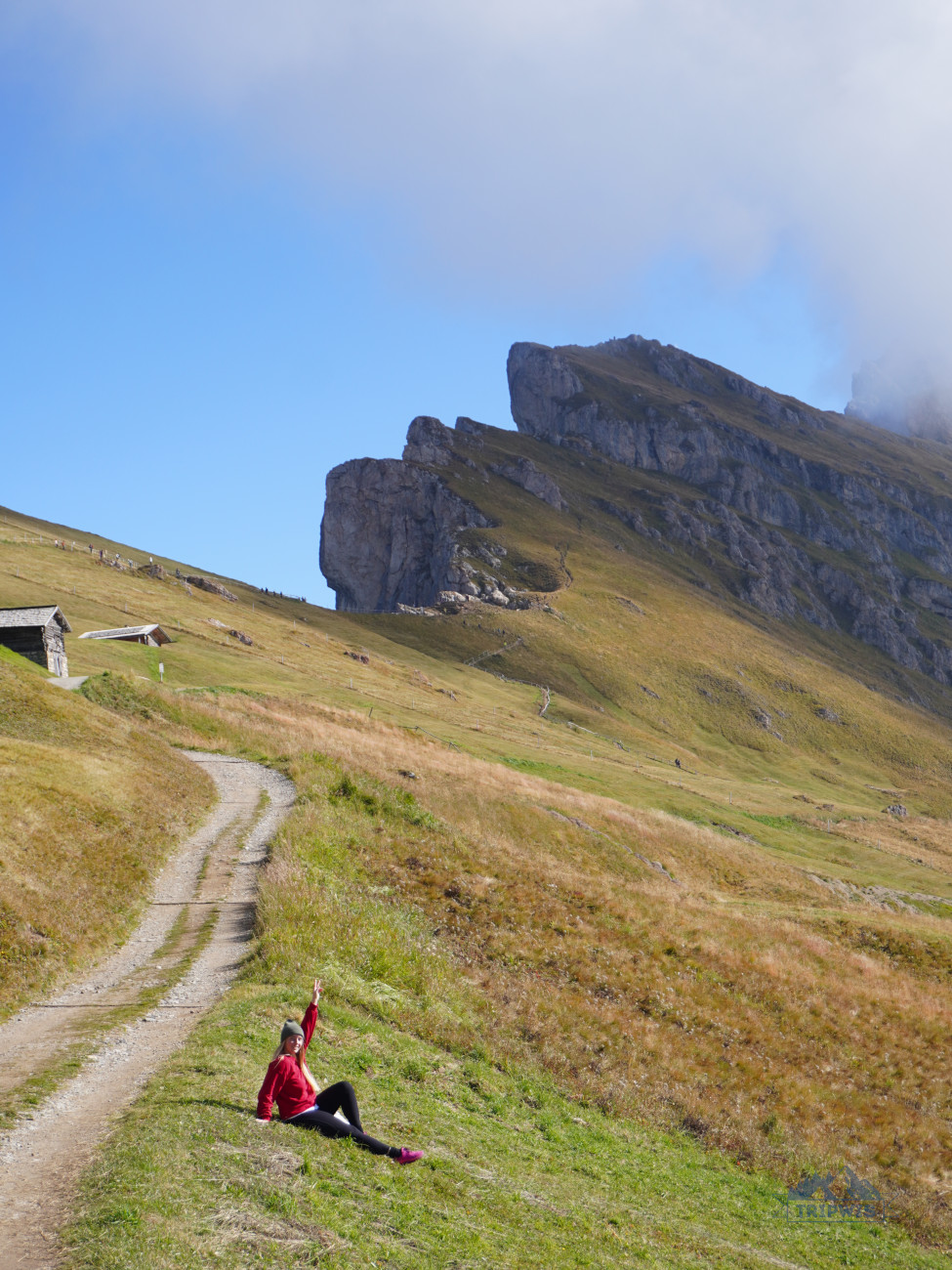
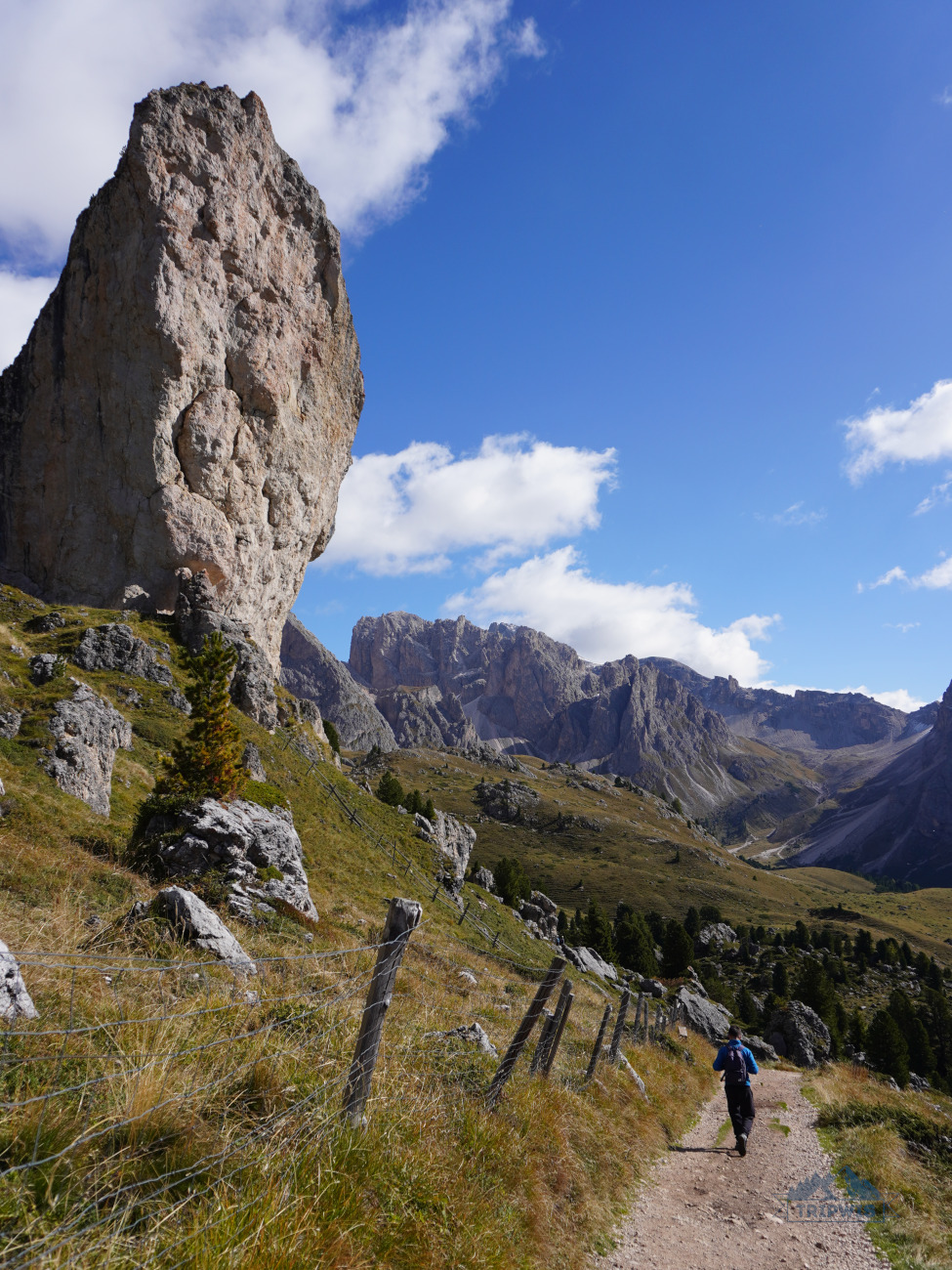
As you embark on your journey back, the scenery changes — the much-photographed Mount Seceda is now behind you, and the boulder-strewn green meadow is now your prime sight. The quaint Pieralongia Hut sits right beside the main attraction in the area — Twin Peaks of Pieralongia (which translates from Ladin to “long stone”). The main rock of the two is a 60-meter menhir that has vegetation on one side and simple overhanging rockface on the other. Past the hut, the expansive pasture awaits you — the undulating carpet of grass and wildflowers is interspersed with grazing cows, their bells providing a peaceful soundtrack to your hike.
19 Dolomites gems from our itinerary >>
- Regensburger Hutte
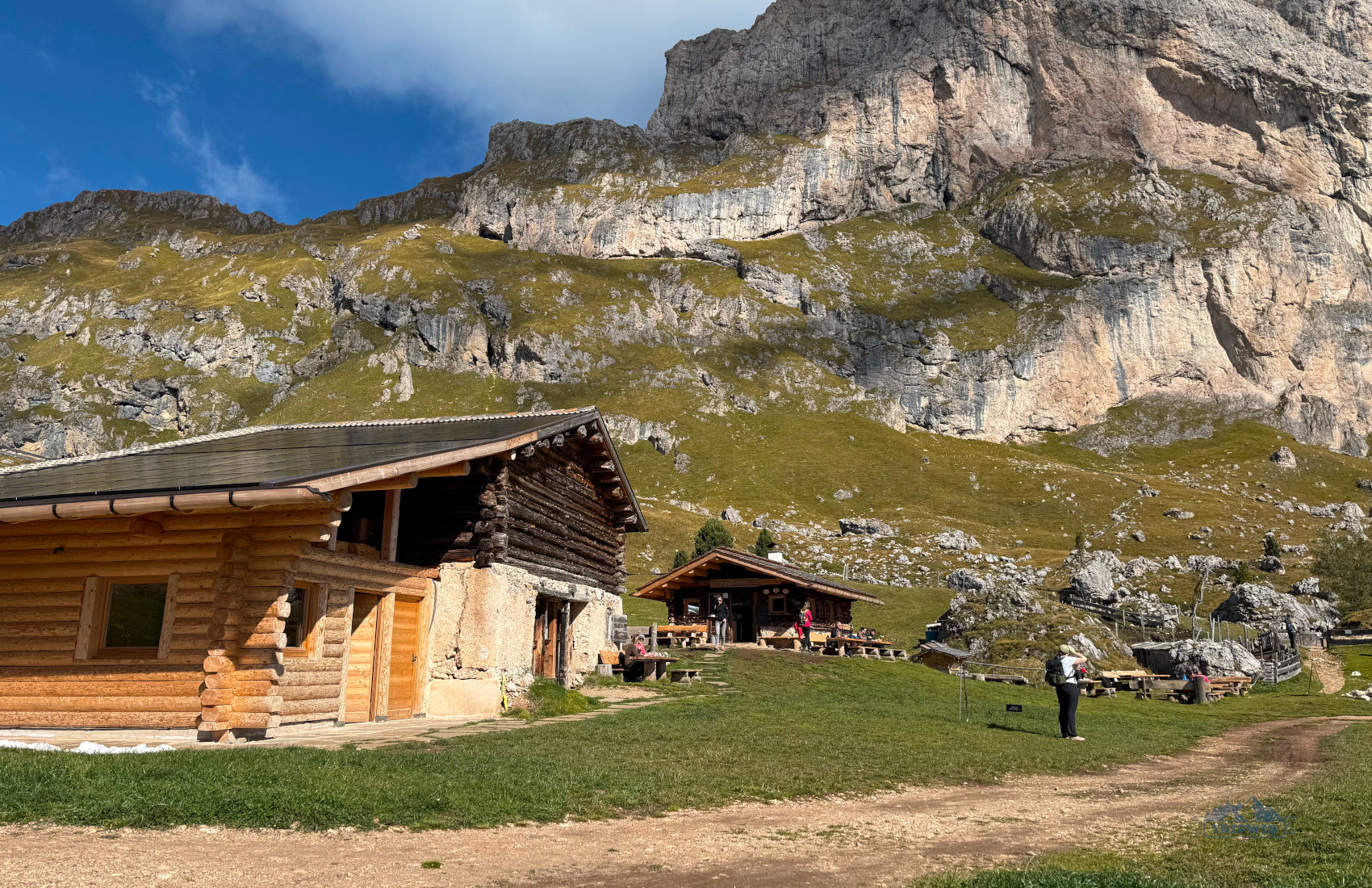
With just around 30 minutes left to Col Raiser station, you come upon the last rifugio on the loop trail — Regensburger Hutte. It is guaranteed to be crowded no matter the weather, since the rifugio sits at the intersection of a lot of trails.
The great food and atmosphere is why Firenze Refuge is so popular with Dolomites holidaymakers, but they are not the only reasons — in summertime, you can actually stay overnight at the rifugio, which means that you can catch the sunrise or sunset in Seceda! The prices here are reasonable — you can book a room (1–6 beds) with a buffet breakfast for €60, or a bed in a dormitory with a buffet breakfast for €48.
After the last picturesque mountain hut of the Seceda ridgeline loop hike from Col Raiser, it’s time to duck into the last stretch of the trail (thankfully, it’s covered with trees here). A short wind-down walk and you’re back at the station, downloading your emotions from the trail and sharing your insights with fellow hikers.
And this is how to hike Seceda in the Dolomites of Italy — one of the more beautiful and exciting trails we’ve been on in our lifetime!
Seceda hike FAQs
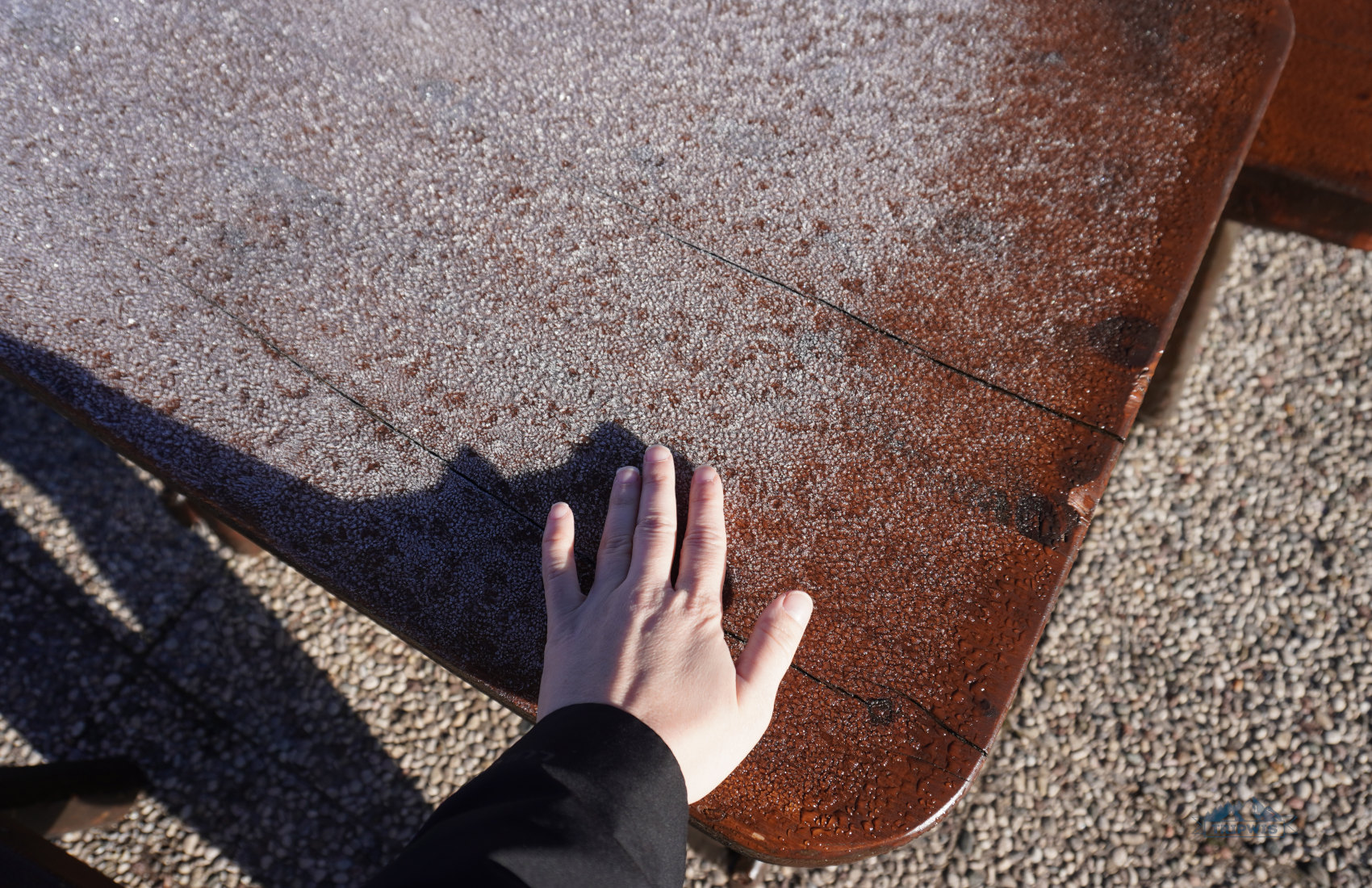
Frosty tables on the terrace of Baita Odles in the first days of October!
What is the best time to visit Seceda (and the Dolomites in general)? Summer and early autumn (mainly late June to mid-September) is the high season period in Seceda and the Dolomites overall. However, summer months of July and August bring tons of crowds to the area.
September and early October are the more mellow months, though the trails are not completely deserted. More opportunities for serene hiking experience, however, go hand in hand with unpredictable (and sometimes downright bad) weather. We visited in early October and the morning air was biting, with frost on the surfaces already.
When is Seceda snow-free? From June through November.
What time of day to visit Seceda? Though cable cars to Seceda operate on average between 8:30 a.m. and 5 p.m. (so, most of the light day), your best bet is to come here early in the morning. Why? Opening time at a cable car station means plenty of parking spaces still available. Plus, morning trails are not as crowded.
What to pack for hiking in Seceda? Only a small stretch of the trail is covered; you’re mostly hiking out in the open and exposed to the elements. If you’re coming to Seceda in summer, pack some SPF, a sun hat, and bring plenty of water. If your trip falls on shoulder months, wear some waterproof shoes and gear.
No matter the season, keep in mind that the weather changes very fast in the mountains.
Can you hike up to Seceda? Yes, you can hike up to Seceda — there are a lot of trails that start in Val Gardena valley (from Daunei or Santa Cristina). The elevation is significant for these hikes, so a good level of fitness is necessary.
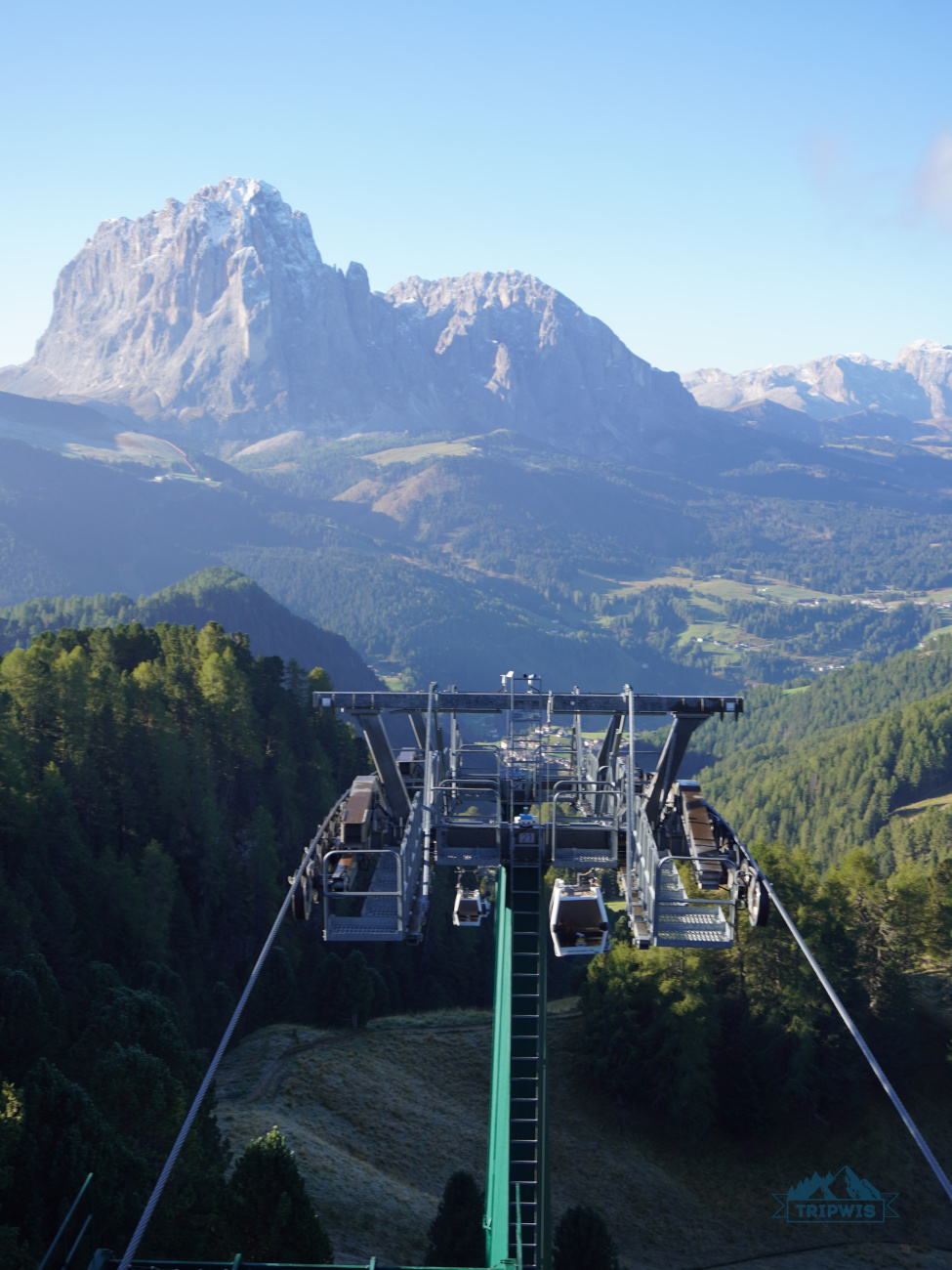
How long is the hike up to Seceda? It depends on your starting point; but if you’re following our lead and taking the Cole Raiser cable car, then it will take mere 1.5 hours from the upper station to finally reach the ridgeline.
 |
 |
Is a Seceda cable car worth it? In my opinion, if you have mobility issues or some other reason for why you cannot hike the 10 km loop trail in Seceda, then paying €74 for a round-trip cable car ticket is a fine choice — you get to see the beauty of the unique mountain massif, which is a once-in-a-lifetime experience.
However, we chose to save the money and pay less — €34 for a round-trip Col Raiser cable car ticket. Together with a hike, it was the most optimal choice for exploring Seceda!
Can you hike in Seceda with a dog? Yes, you can! You have to pay extra to bring your furry companion on a gondola ride (€5–€7). The dog needs to wear a muzzle inside a cable car and be on leash during the hike.
Can you mountain bike in Seceda? Yes, you can mountain bike in Seceda. The Ortisei-Furnes-Seceda cable car lets you transport your bike to the top (for extra €5). The most popular bike trail on Seceda starts at the station and takes you to the Pieralongia Hut.
Can you combine Seceda with something else? Personally, I believe that you can (if you’re using the services of a cable car in some capacity). Explore Seceda before noon, and then make your way towards some other destination in the Dolomites — the neighboring Alpe di Siusi, for example. However, if you’re hiking to Seceda from Val Gardena, then an entire day is necessary for the outing.
Additional tips about the Dolomites
Now that I’m done with the guide to hiking the Seceda, let’s zoom out a little and give you some advice on exploring the Italian Dolomites in general.
Car rental in the Dolomites
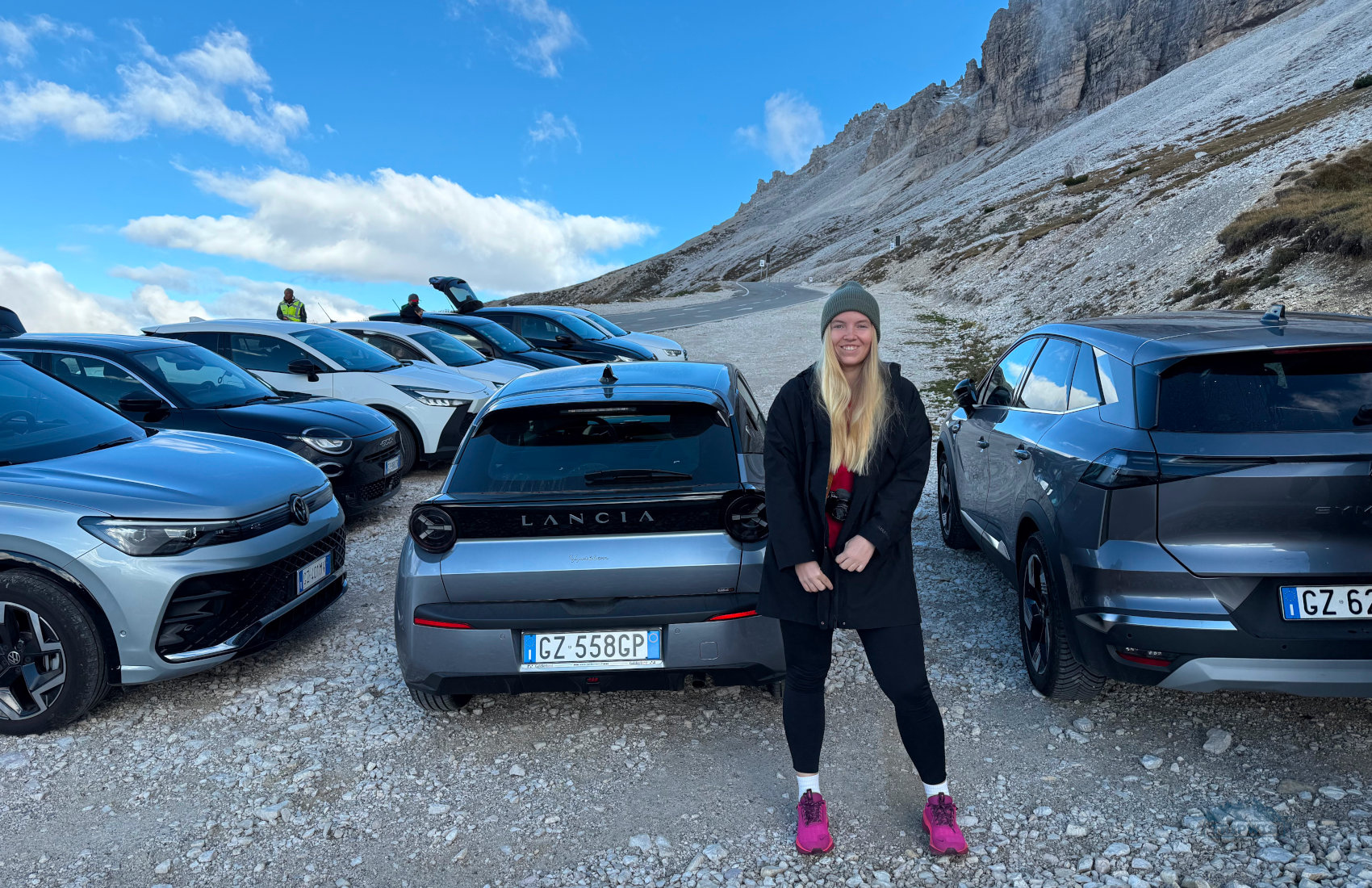
Renting a car in the Dolomites is a true necessity to make your experience a great one. The many natural landmarks are scattered across the region, so you would spend an inordinate amount of time trying to piece an itinerary together with the use of public transport (though it is pretty reliable in these parts).
Personal experience: We rented a car via the service of Discovercars in Milan. Why Milan, when Bolzano Airport in the Dolomites is known to be the main getaway into the region of South Tyrol? Well, the Italian fashion capital simply had better deals on flights (since it’s better connected overall)! But besides Milan, there are three more convenient starting points — I go into more details on that in this post.
So, we set off on a three-hour drive from Milan to the Dolomites in our fancy new Lancia Ypsilon (rented for less than €80 for six days — the beauty of October low season prices wasn’t lost on us). We drove on three toll roads on the way, which amounted to just under €19. There was an alternative freeway option, but it would take us six hours instead of three, so our decision was obvious — we couldn’t wait to finally be in the mountains.
Where to stay in the Dolomites?
 |
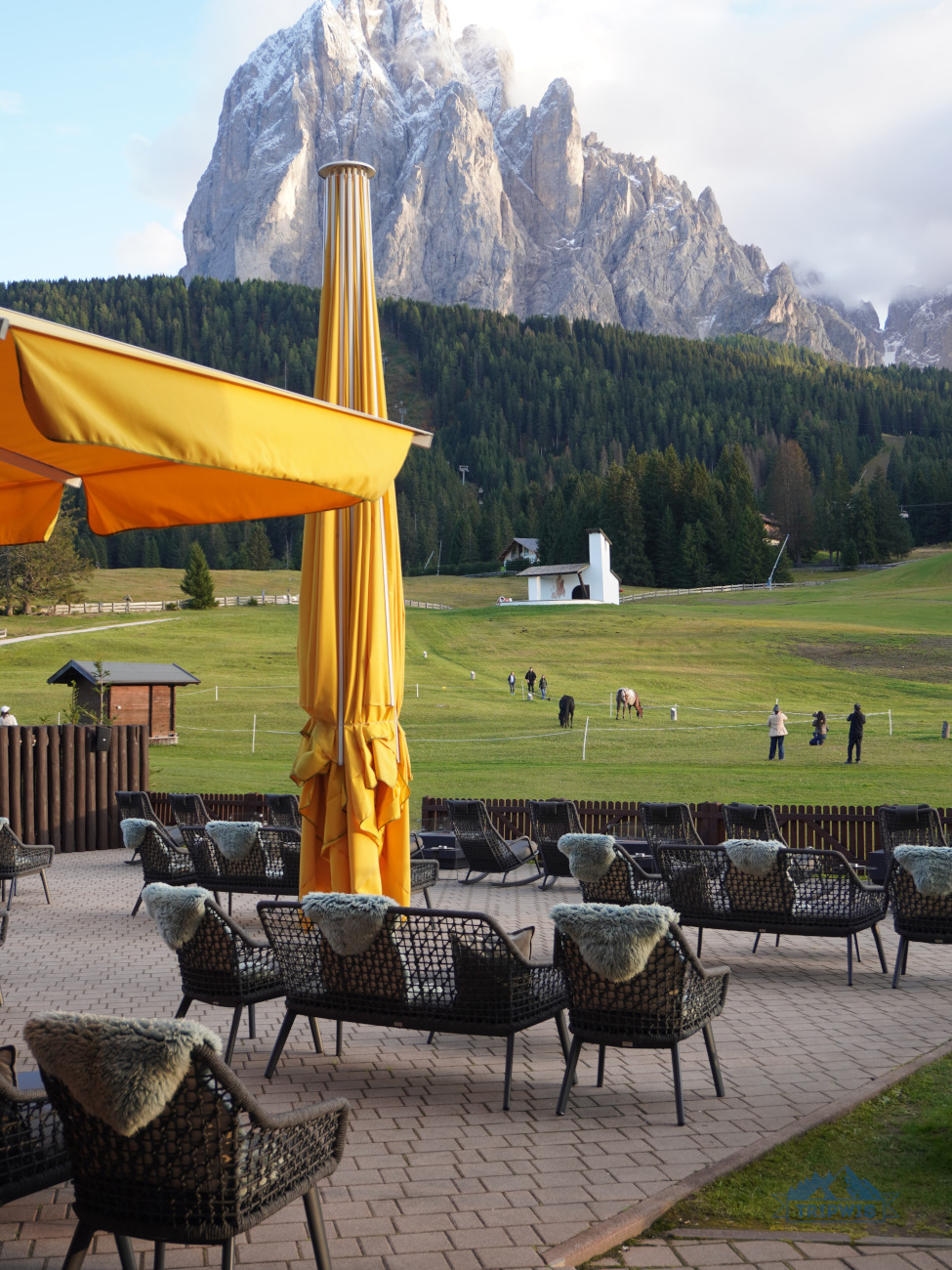 |
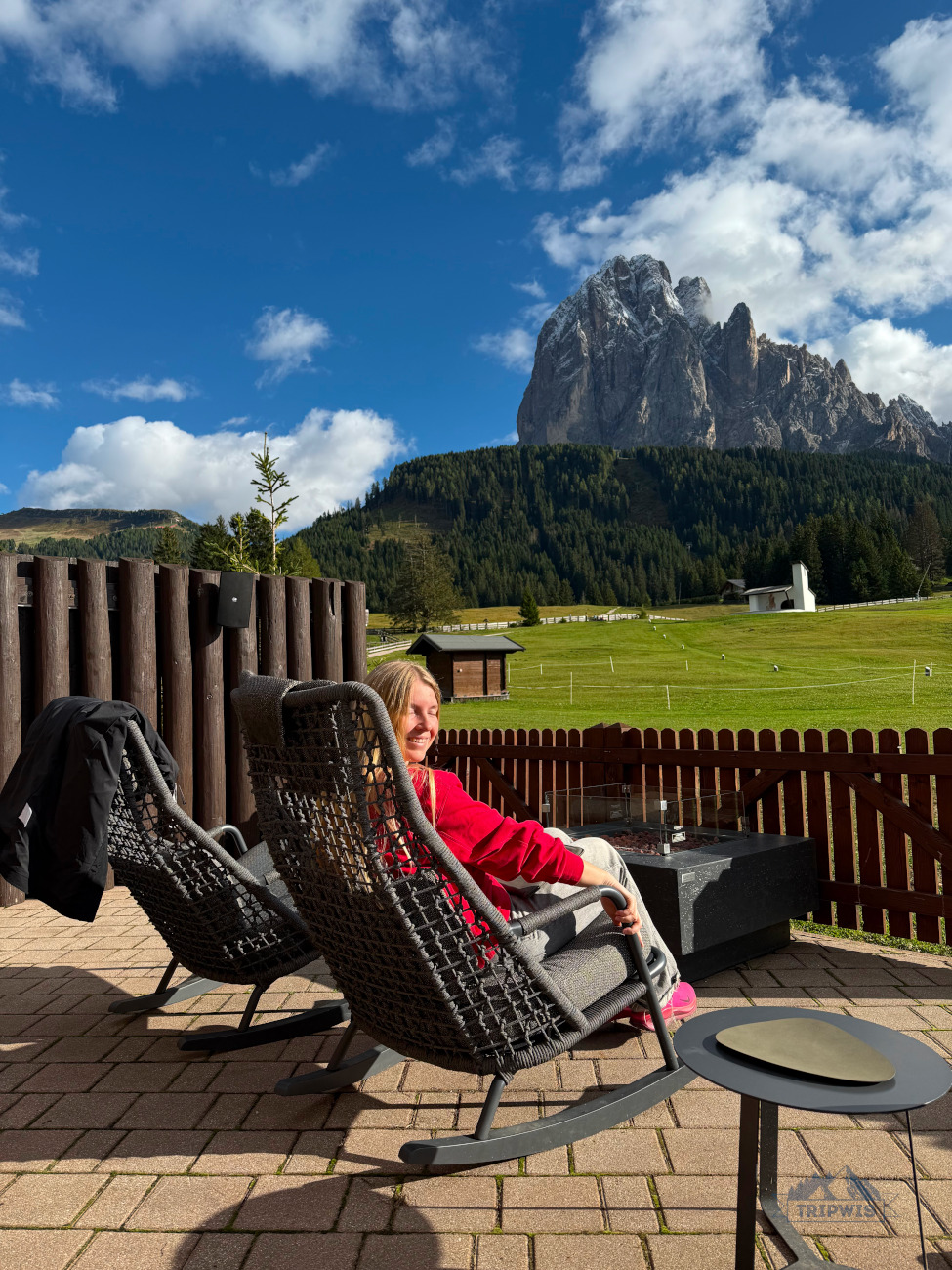
The main perk of Monte Pana Hotel is a mesmerizing view of the Sassolungo mountain
I believe that you have to set yourself up in the best possible location to get the finest Seceda experience. This means either staying somewhere close to a cable car station or a trailhead, or in some place where you can easily drive to these places in under 20 minutes. For these reasons, I recommend you look into these “Three Stooges” of Val Gardena: Ortisei, Santa Cristina, and Selva.
Hotels in Santa Cristina:
- Our choice: 4* Monte Pana Dolomites Hotel (from €200 a night) — great hotel for easy access to Seceda, Alpe di Siusi, and nearby mountain passes. Breakfast included and half-board options piqued our interest, but an indoor pool, a gorgeous terrace with the views of Sassolungo, and a Turkish sauna sealed the deal. From the hotel, it’s a 10-minute drive to Col Raiser cable car.
- 4* Boutique & Fashion Hotel Maciaconi (from €300 a night) — set near the Santa Cristina-Seceda hike trailhead, this boutique hotel offers spick-and-span rooms and a top-of-the-line restaurant with a 5-course menu and a cake buffet (!) in the afternoons. Do not forget that there is a free shuttle to the Col Raiser cable car from the Maciaconi bus stop right in front of the hotel.
- 4* Hotel Touring Dolomites (from €210 per night) — set in the heart of Santa Cristina (4 minutes by car to Col Raiser), this hotel is highly praised for its fine dining restaurant that serves classic South Tyrolean dishes and for its wellness center fit with a rooftop (!) heated (!!) pool (!!!).
Hotels in Ortisei:
- 3* Alpstay – Chalet Hotel Hartmann – Adults Only (from €220 a night) — set within 1.5 km from the Ortisei cable car station, this cozy mountain hotel offers unparalleled views from the suites and the fully stocked wellness center (a bio-sauna and Turkish bath will help you relax after a busy day spent hiking).
- 3* Casa al Sole (from €245 a night) — a surprisingly modern bed and breakfast in the heart of Ortisei. The rooms here are very large and airy, and the superlative service adds to the feeling of reliable luxury. There are also no TVs at the hotel, so you can unplug and rest in a quiet and serene setting. A 7-minute walk will take you to the cable car station.
Hotels in Selva:
- 3* Hotel Jägerheim (from €220 per night) — set right by the Col Raiser cable car (within a 1-minute walk!), this alpine-chic hotel offers panoramic mountain views and upscale accouterments synonymous with a luxury stay (hot tub, Finnish sauna, massages). You can practically roll out of bed and into a gondola in a matter of minutes!
- 3* Hotel Garni Morene (from €175 a night) — a family-run bed and breakfast known for its cozy rooms and a fantastic breakfast buffet. It’s set within a 6-minute drive from Col Raiser or a 20-minute walk from Daunei-Seceda hike trailhead.
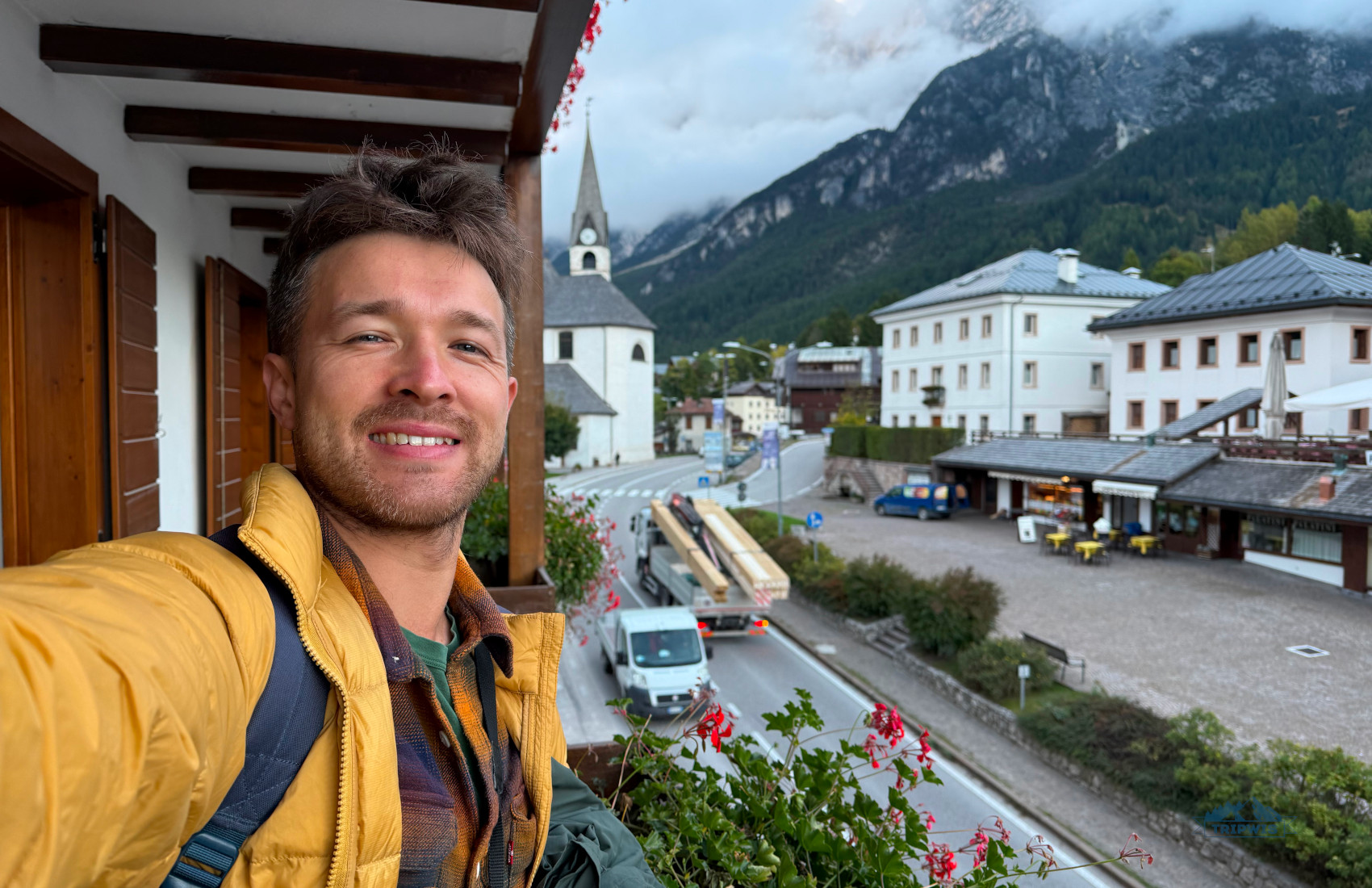
If you’re renting a car in the Dolomites, you can virtually stay anywhere in South Tyrol — the world is truly your oyster! Personally, we have stayed all over the place here:
- 3* Best Western Hotel Nevada (from €100 per night) — a great hotel in a charming mountain village of San Vito di Cadore; perfect base for doing either Lake Sorapis or Tre Cime di Lavaredo hikes.
- 3* Gasthaus Zum Weissen Kreuz (from €120 a night) — set near Latzfons, this family hotel got into our itinerary as a place for a night between Tre Cime di Lavaredo and Adolf Munkel hikes.
What is the most beautiful hike in the Dolomites?
 |
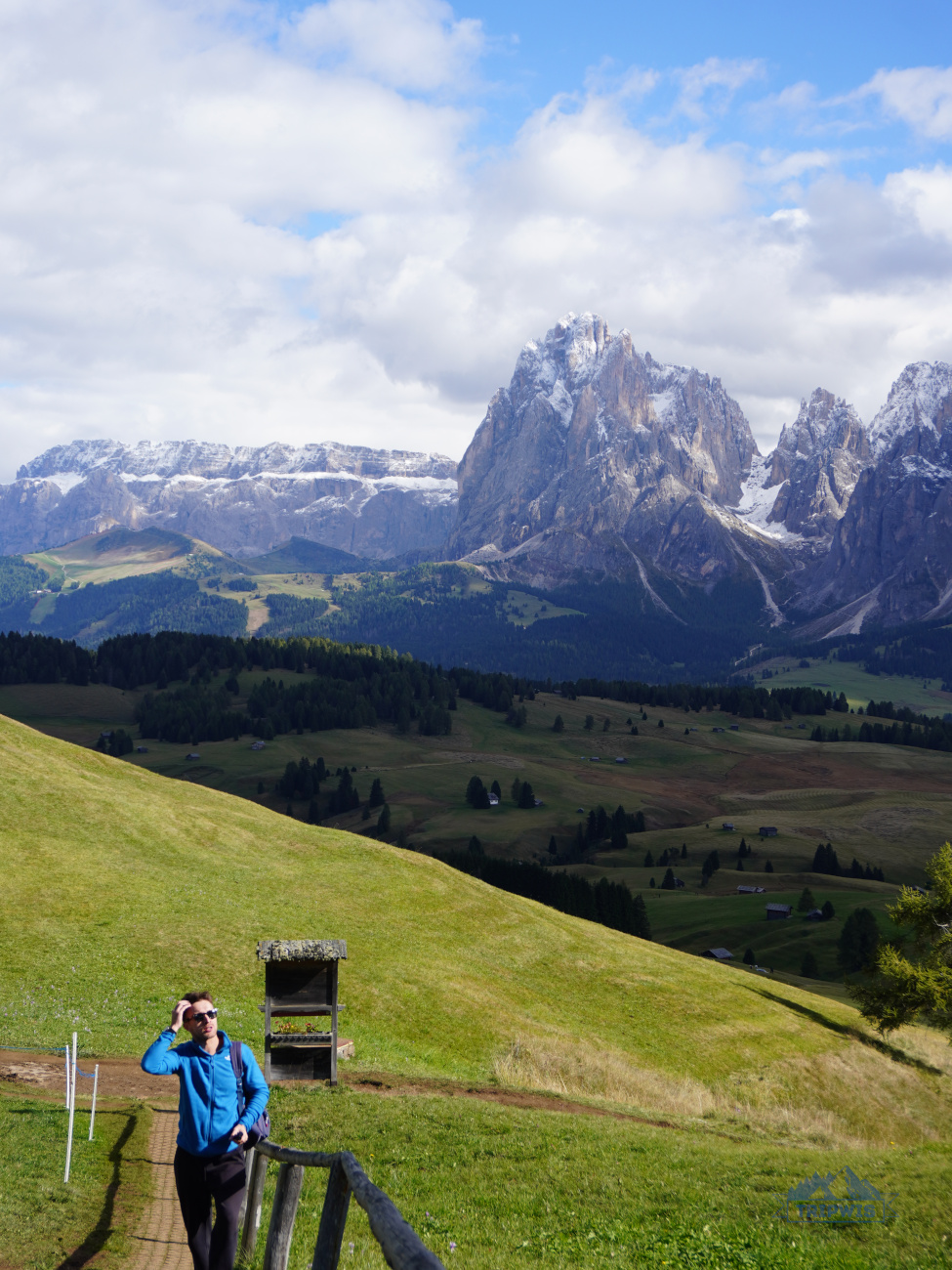 |
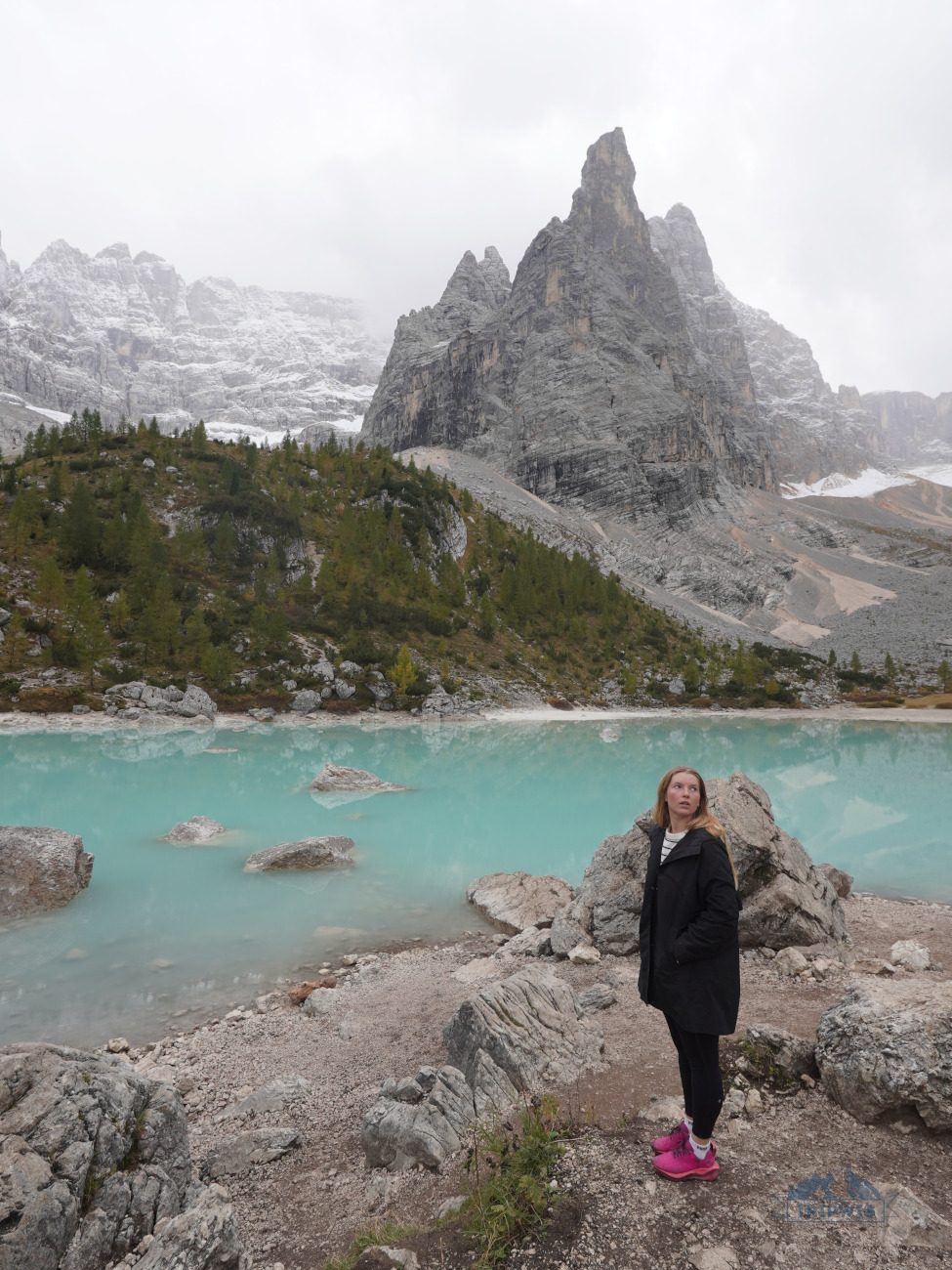
Lake Sorapis / Alpe di Siusi
I hope that my guide has helped you plan the best itinerary for hiking Seceda in 2026, but why stop there? Our latest exploration of the Dolomites was an exciting one; apart from Seceda, we set off on four more hikes, each one more showstopping than the other:
- Alpe di Siusi — an easy 4.5-km Panorama Trail is a loop you cannot miss out on in the Dolomites! The largest alpine plateau is fit with wildflower-covered rolling hills, rifugios, and mountain peaks galore!
- Lake Sorapis — a moderate-to-hard hike that will take you 4 to 5 hours total to complete. Some of the most dramatic lake views in the Dolomites make the struggle all worth it — the milky-blue high-altitude lake is a picture-perfect sight!
- Adolf Munkel — an easy-to-moderate 10 km loop hike that lets you take a peek at the stately Odle Group of mountains from a whole new angle (compared to the way you saw them during your Seceda adventures).
- Tre Cime di Lavaredo — an easy-to-moderate 10 km loop trail that brings you closer to the legendary (dare I say heart-stopping) beauty that are the Three Peaks of Lavaredo — jagged grey spires that look like they’re piercing the sky.
What is the most beautiful hike in the Dolomites? You have to do all of them to compare! In my opinion, it’s the hike to Lake Sorapis — the stunning lake of a Glacier Freeze Gatorade color is a sight I’ve never witnessed before in my lifetime.